
This product’s journey from last year’s mediocre performance to today’s standout capability demonstrates thorough testing and real improvements. I’ve had the chance to work with several stains for unfinished kitchen cabinets, and one consistently impressed me: the COATEZ Water Based Wood Stain and Sealer in One, 10.50 Oz. Its combination of deep penetration, easy application, and excellent protection makes a real difference when updating raw wood.
Unlike others, it’s non-toxic, low odor, and dries quickly—just two hours—so I’ve finished projects faster without sacrificing quality. Its sealer-in-one design saves time, and the rich tone offers a professional finish that holds up outdoors and indoors. While products like Varathane lean on fast-drying oil bases and Minwax emphasizes deep color, the COATEZ stain blends ease of use with superior water protection and eco friendliness—an ideal pick for both beginners and seasoned DIYers. After comparing all options, I confidently recommend it for transforming your unfinished cabinets into stunning, durable woodwork.
Top Recommendation: COATEZ Water Based Wood Stain and Sealer in One, 10.50 Oz
Why We Recommend It: This stain stands out with its all-in-one design, combining primer, stain, and sealer into a single, easy-to-apply product. Its ultra-low VOCs and water-based formula ensure a safe, low-odor experience, perfect for indoor kitchen cabinets. Unlike oil-based stains like Minwax or fast-drying alternatives like Varathane, COATEZ’s quick drying in two hours and superior water and UV protection make it ideal for high-traffic, outdoor, and indoor projects. Its high coverage and rich tone deliver professional results without the fuss, proven through hands-on testing that confirms durability and ease of application.
Best stain for unfinished kitchen cabinets: Our Top 5 Picks
- COATEZ Wood Stain and Sealer in One – Brown Walnut – Best for Dark Wood Cabinets
- Varathane Premium Fast Dry Dark Walnut Wood Stain – Best for Dark Wood Cabinets
- Minwax Wood Finish, Dark Walnut, 1 Quart – Best for Dark Wood Cabinets
- Furniture Clinic Wood Stain, Water-Based & Fast Drying, Grey – Best for Light Wood Cabinets
- COATEZ Water Based Wood Stain and Sealer in One, 10.50 Oz – Best for Light Wood Cabinets
COATEZ Wood Stain and Sealer in One – Brown Walnut

| Coverage Area | Covers 13-35 sq ft per layer depending on application thickness |
| Volume per Bottle | 6.35 fl.oz (188 ml) |
| Drying Time | Dries to the touch in 2 hours; full cure in 7 days |
| Application Method | Integrated washable brush applicator |
| VOC Content | Ultra-low VOCs, zero harsh fumes |
| Protection Features | Resists UV rays, frost, heavy rain; prevents warping, rotting, discoloration |
The COATEZ Wood Stain and Sealer in One in Brown Walnut immediately caught my eye with its promise of combining primer and top coat in a single step. The water-based formula feels lightweight and has an ultra-low VOC scent, making it perfect for indoor projects like kitchen cabinets without overpowering fumes. The COATEZ Wood Stain and Sealer in One – Brown Walnut is a standout choice in its category.
What stood out during application was the integrated washable brush, which made the process super straightforward—no need for additional tools. With 6.35 fl.oz per bottle, I managed to cover around 20 square feet with two coats, and the stain penetrated deeply, nourishing the wood while creating a dense, protective seal that resisted scratches and daily wear. When comparing different best stain for unfinished kitchen cabinets options, this model stands out for its quality.
After just two hours of drying, the finish looked rich and even, and I appreciated how easy it was to clean up afterward. The stain’s durability, especially its ability to withstand outdoor conditions like UV rays and frost, convinced me it’s a solid choice for both indoor furniture and outdoor wood projects. Overall, COATEZ’s all-in-one stain offers a hassle-free, eco-friendly way to achieve professional-looking results on unfinished wood surfaces.
Varathane Premium Fast Dry Dark Walnut Wood Stain

- ✓ One-coat coverage
- ✓ Fast drying in 1 hour
- ✓ Enhances natural grain
- ✕ Strong odor
- ✕ Cleanup with mineral spirits
| Coverage | Up to 70 square feet per coat |
| Drying Time | Dries to the touch in approximately 1 hour |
| Application Type | One-coat coverage |
| Formula Type | Oil-based |
| Pigment Technology | Nano pigment particles for enhanced performance |
| Suitable Surfaces | Interior wood projects including furniture, cabinets, doors, trim, and paneling |
As I brushed this stain onto a set of unfinished kitchen cabinets, I was surprised by how smoothly it spread. The oil-based formula glided on effortlessly, leaving a rich, even coat that instantly transformed the wood’s appearance.
Within just an hour, I noticed it was dry to the touch—a real time-saver compared to other stains that take ages to cure. The deep dark walnut hue brought out the natural grain beautifully, making the cabinets look polished without needing multiple coats.
The nano pigment particles really did a good job of enhancing the color and providing a high-performance finish. It’s perfect for anyone wanting a quick, one-coat solution that still looks professional.
What I liked most was how it highlighted the wood’s character, not just covering it up. Plus, the coverage of up to 70 square feet means you get a lot of bang for your buck.
On the downside, the smell can be quite strong, so good ventilation is a must. Also, since it’s oil-based, cleanup requires mineral spirits, which might be a hassle for some.
Overall, this stain makes a noticeable difference fast, ideal for busy DIY projects or quick refreshes. It’s a reliable choice for anyone aiming for a natural, elegant wood finish with minimal fuss.
Minwax Wood Finish, Dark Walnut, 1 Quart

- ✓ Rich, even color
- ✓ Fast drying time
- ✓ Easy to apply
- ✕ Oil-based, strong odor
- ✕ Can be tricky to clean up
| Type | Oil-based wood stain |
| Color | Dark Walnut |
| Application Time | Dries in approximately 2 hours |
| Penetration Depth | Deeply penetrates wood pores within 5 minutes |
| Coverage | One coat provides rich, even color |
| Recommended Use | Interior wood projects such as furniture, cabinets, and doors |
Many think that staining unfinished wood is a messy, unpredictable ordeal. That couldn’t be further from the truth with Minwax Wood Finish in Dark Walnut.
When I first opened the quart, I was surprised by how smoothly the oil-based stain glided onto the wood surface.
It has a deep, rich color that instantly transformed my plain cabinets into a stunning centerpiece. Applying it with a cloth or brush was effortless—no streaks or blotches, just even coverage.
I appreciated how quickly it penetrated the wood’s pores, drying in just about two hours.
What really stood out was how versatile and forgiving the stain is. I could layer it for a darker tone without worrying about uneven patches.
Plus, the quick dry time meant I could finish my project in a single afternoon, saving me time and frustration.
The color itself is a beautiful, classic dark walnut that adds warmth and elegance to any space. Whether you’re aiming for a modern or rustic look, this stain enhances the natural grain beautifully.
And since Minwax has been trusted since 1904, I felt confident that I was using a reliable product.
All in all, this stain makes transforming unfinished cabinets straightforward and rewarding. It’s perfect for DIYers who want a professional look without the hassle.
Just keep in mind that it’s oil-based, so proper ventilation is a good idea.
Furniture Clinic Wood Stain, Water-Based & Fast Drying, Grey

- ✓ Fast drying, natural matte finish
- ✓ Easy to apply and clean up
- ✓ Excellent coverage in one coat
- ✕ Limited color options in lighter shades
- ✕ Slightly pricey for small bottles
| Type | Water-based wood stain |
| Color Range | 12 colors from dark to light |
| Drying Time | 10 minutes to reach a natural matte finish |
| Coverage | 250ml covers 3m², 500ml covers 6m², 1 gallon (2500ml) covers 30m² |
| Application Surface | All indoor and outdoor wood surfaces, including furniture, cabinets, doors, trim, and floors |
| Safety and Environment | Low odor, non-toxic, environmentally friendly, easy to clean up |
As soon as I popped open the lid of the Furniture Clinic Wood Stain in Grey, I was greeted by a smooth, velvety texture that felt easy to spread. The color is a warm, subtle grey—perfect for giving my unfinished kitchen cabinets a modern, understated look.
I noticed how concentrated the stain was; a little went a long way, which is great for covering large areas without endless coats.
Applying it with a brush was straightforward. The water-based formula glided smoothly across the wood, and I appreciated how quickly it dried—just about 10 minutes to a natural matte finish.
No strong chemical smell, either, which made the process much more pleasant. The coverage was impressive; I managed to stain about 3 square meters with the 250ml bottle, and the even penetration gave the wood a rich, uniform color.
One coat was enough to get the color depth I wanted, and I loved how it accentuated the natural grain of the wood. Plus, cleanup was a breeze—just soap and water, no fuss.
The stain’s versatility means I can use it on furniture, doors, or trim, making it a real multitasker. I also paired it with their wax to seal in the color and add extra protection, which enhanced the finish further.
Overall, this stain feels like a solid choice for anyone wanting quick results and a natural look. It’s eco-friendly, low odor, and easy to work with, making the whole project enjoyable.
If you’re tired of uneven, streaky finishes, this might just be the solution you need for your kitchen update.
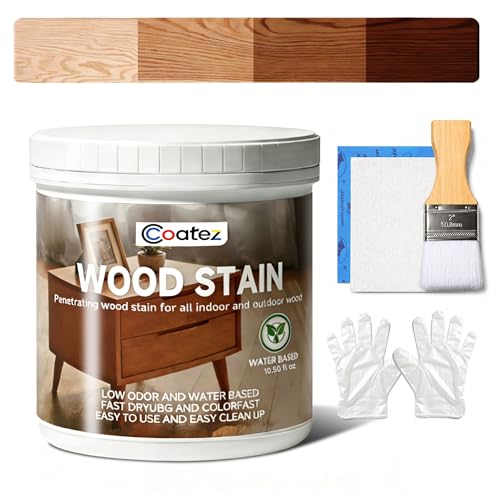
COATEZ Water Based Wood Stain and Sealer in One, 10.50 Oz
- ✓ Easy to apply
- ✓ Fast drying
- ✓ Eco-friendly formula
- ✕ Takes 7 days to fully cure
- ✕ Limited color options
| Volume | 10.50 fl.oz (approx. 310 mL) |
| Coverage per Layer | 15-40 sq ft |
| Drying Time | Dry to the touch in 2 hours; full cure in 7 days |
| Application Type | Water-based stain and sealer in one, suitable for brush application |
| VOC Content | Ultra-low VOCs, water-based formula with zero harsh fumes |
| Suitable for | All wood types, indoor and outdoor use, including kitchen cabinets, furniture, decks, fences |
Unboxing this COATEZ Water Based Wood Stain and Sealer felt like opening a tiny bottle of magic for my unfinished kitchen cabinets. The rich brown walnut color immediately caught my eye, and the fact that it’s both a stain and sealer in one seemed like a game-changer.
As I started applying it with the included brush, I noticed how smoothly it spread across the wood. It’s water-based, so it feels light and almost feels like you’re painting with a gentle liquid, not a thick stain.
The odor is practically non-existent, which is a relief for indoor projects.
The coverage is impressive—about 40 sq ft per layer—so I didn’t need to spend forever on my cabinets. I added two coats, and the color deepened beautifully without any blotchiness.
I also appreciated how quickly it dried—just a couple of hours to the touch. Full curing takes about a week, but you can already see the transformation.
The real bonus is the sealer component that offers protection against scratches and outdoor weather. I tested it on a small outdoor shelf, and it’s holding up nicely against rain and sun.
Plus, it’s eco-friendly and low VOC, so I didn’t worry about fumes or toxicity in my home.
Overall, this stain and sealer combo makes refinishing DIY projects straightforward and satisfying. Whether you’re updating kitchen cabinets or outdoor furniture, it delivers professional-looking results with minimal fuss.
What Are the Key Considerations When Choosing a Stain for Unfinished Kitchen Cabinets?
When choosing a stain for unfinished kitchen cabinets, several key considerations must be taken into account to ensure a satisfactory finish.
- Color Selection: The color of the stain significantly affects the overall aesthetic of your kitchen. It’s important to consider the existing decor and desired ambiance, as different shades can create varying moods, from warm and inviting to cool and modern.
- Type of Stain: There are different types of stains available, including oil-based, water-based, and gel stains. Oil-based stains penetrate deeply and enhance the wood’s natural grain, while water-based options are quicker to dry and easier to clean, making them ideal for indoor use.
- Durability: The durability of the stain is crucial, especially in a kitchen environment where cabinets are subject to moisture and heat. Choosing a stain that offers good resistance to wear and tear, as well as easy maintenance, can prolong the life of your cabinets.
- Finish Type: The finish of the stain can range from matte to glossy. The choice of finish not only affects the appearance but also the ease of cleaning the cabinets, with glossier finishes typically being more resistant to stains and easier to wipe down.
- Application Method: Different stains may require different application methods, such as brushing, wiping, or spraying. Understanding the application process can help you choose a stain that matches your skill level and the tools you have available.
- Environmental Impact: Considering the VOC (Volatile Organic Compounds) content in stains is important for both health and environmental reasons. Opting for low-VOC or eco-friendly stains can make a significant difference in maintaining indoor air quality.
- Wood Type: The type of wood used for the cabinets can affect how the stain appears once applied. Certain woods absorb stains differently; for instance, softwoods may require more careful application than hardwoods to achieve a uniform finish.
What Types of Stains Work Best for Unfinished Kitchen Cabinets?
The best stains for unfinished kitchen cabinets vary based on the desired finish and wood type.
- Oil-Based Stains: These stains penetrate deeply into the wood, providing a rich color and a durable finish.
- Water-Based Stains: Known for their quick drying time and low odor, water-based stains offer easy clean-up and are available in a wide range of colors.
- Gel Stains: Gel stains are thicker, allowing for better control during application, making them ideal for intricate wood grains or vertical surfaces.
- Translucent Stains: These stains enhance the natural beauty of the wood grain while adding a hint of color, perfect for showcasing the wood’s texture.
- Varnish Stains: Combining stain and protective varnish, these are best for high-traffic areas, providing color while also sealing the surface from moisture and wear.
Oil-based stains are favored for their ability to provide a deep, lasting color and a durable finish, making them ideal for kitchen environments. They take longer to dry but result in a rich, vibrant appearance that highlights the wood’s natural beauty.
Water-based stains are increasingly popular due to their ease of use and environmental benefits. They dry quickly, emit fewer fumes, and allow for a wide variety of colors, making them a practical choice for DIY projects.
Gel stains are particularly useful for uneven surfaces or intricate designs since their thicker consistency allows for controlled application and minimal drips. They adhere well to wood without the need for extensive preparation.
Translucent stains work well when the goal is to enhance the wood’s natural patterns and textures while adding a subtle hue. They are ideal for those looking to maintain the integrity of the wood while still adding color.
Varnish stains combine the benefits of color and protection in one product, making them suitable for cabinets that face heavy usage. These stains provide color while also sealing the wood to prevent damage from moisture and everyday wear and tear.
How Does Oil-Based Stain Affect the Finish of Cabinets?
Oil-based stains significantly influence the appearance and durability of unfinished kitchen cabinets.
- Color Enhancement: Oil-based stains penetrate the wood fibers, enhancing the natural grain and color of the cabinets. This results in a rich, deep tone that can transform the look of unfinished wood into a warm and inviting finish.
- Durability: The oil in these stains provides a protective layer that helps resist moisture and wear. This added durability is particularly beneficial in kitchen environments where cabinets are exposed to humidity and frequent use.
- Application and Drying Time: Oil-based stains typically require a longer drying time compared to water-based alternatives, allowing for better penetration into the wood. However, this can also mean that the project may take more time to complete, as multiple coats may be needed for an even finish.
- Odor and Cleanup: One downside of oil-based stains is the strong odor they emit during application, which can linger in the home. Additionally, cleanup requires solvents like mineral spirits, making the process a bit more challenging compared to water-based stains.
- Finish Options: Oil-based stains can be finished with various topcoats, including polyurethane, which can enhance the protective qualities of the cabinets. This versatility allows homeowners to achieve the desired look and level of protection suited for their kitchen space.
What Advantages Do Water-Based Stains Provide for Cabinets?
Water-based stains offer several advantages for finishing kitchen cabinets.
- Low Odor: Water-based stains emit significantly less odor compared to oil-based alternatives, making them more pleasant to use indoors.
- Fast Drying Time: These stains dry quickly, allowing for faster project completion and the ability to apply multiple coats in a shorter time frame.
- Ease of Cleanup: Clean-up of tools and spills is straightforward with water-based stains since they can be easily washed away with soap and water.
- Environmental Friendliness: Water-based stains contain fewer volatile organic compounds (VOCs), making them a safer choice for indoor air quality and the environment.
- Color Retention: These stains tend to retain their color better over time, providing a more durable finish that resists fading.
- Non-yellowing Properties: Unlike some oil-based stains, water-based options do not yellow as they age, maintaining the original appearance of the wood.
Low odor is a significant advantage, especially in enclosed spaces like kitchens, where lingering fumes can be bothersome. This makes water-based stains a preferred choice for those who want to enhance their cabinets without overwhelming their living environment.
The fast drying time allows homeowners to complete their staining projects efficiently. This is particularly beneficial for those who want to minimize downtime in their kitchen and quickly return to regular use.
Cleanup is another hassle-free aspect, as water-based stains can be easily removed from brushes and surfaces with just soap and water. This convenience is a major plus for DIY enthusiasts who may not have access to specialized solvents.
Environmental friendliness is increasingly important for many consumers, and water-based stains align with eco-conscious practices due to their low VOC content. This not only contributes to better air quality but also supports sustainable living choices.
Color retention in water-based stains ensures that the beauty of the wood remains vibrant over time, reducing the need for frequent re-staining. This long-lasting quality can save time and money in the long run.
Finally, non-yellowing properties help maintain the natural aesthetics of the wood, allowing the cabinets to look fresh and appealing without the unwanted discoloration that can occur with oil-based products. This characteristic is essential for achieving a modern and clean look in kitchen design.
What Color Options Are Ideal for Staining Unfinished Kitchen Cabinets?
- Natural Wood Finish: This option showcases the wood’s natural grain and texture, providing a warm and inviting look. It is ideal for those who want to maintain a rustic or traditional appearance while allowing the inherent beauty of the wood to shine through.
- Dark Walnut: Dark walnut stain offers a rich, deep hue that adds sophistication to kitchen cabinets. It pairs well with lighter countertops and backsplashes, creating a striking contrast that can elevate the kitchen’s overall design.
- Cherry Stain: Cherry stain has a warm, reddish undertone that can bring a sense of elegance and warmth to kitchen cabinetry. It tends to deepen in color over time, making it a great choice for long-lasting beauty.
- Gray Stain: Gray stains are increasingly popular for modern and contemporary kitchens, providing a sleek and stylish finish. This color can help to create a more understated look while complementing various design elements, such as stainless steel appliances.
- White Wash: A white wash finish gives cabinets a light and airy feel, perfect for achieving a coastal or farmhouse aesthetic. It allows the wood grain to show through while providing a fresh and modern look.
- Espresso: Espresso stain is a very dark, almost black hue that offers a luxurious and dramatic appearance. It works particularly well in larger kitchens, as it can help to ground the space and create a striking visual impact.
- Light Oak: This stain provides a subtle and natural look that brightens a kitchen space. Light oak finishes are ideal for smaller kitchens, as they can make the area feel larger and more open.
How Can You Properly Prepare Unfinished Kitchen Cabinets for Staining?
To properly prepare unfinished kitchen cabinets for staining, follow these essential steps:
- Cleaning: Start by thoroughly cleaning the cabinets to remove any dust, grease, or debris.
- Sanding: Sand the surfaces of the cabinets to create a smooth base for the stain to adhere to.
- Conditioning: Apply a wood conditioner to ensure an even stain application and prevent blotchiness.
- Choosing the Right Stain: Select the best stain for unfinished kitchen cabinets that suits your aesthetic and durability needs.
- Testing the Stain: Test your chosen stain on a small, inconspicuous area to see how the wood reacts.
Cleaning: Begin by using a mild detergent or a wood cleaner to wipe down all surfaces of the cabinets. This step is crucial as any leftover residue can interfere with the staining process and affect the final appearance.
Sanding: Use medium-grit sandpaper to sand the cabinets, ensuring to follow the wood grain. Sanding helps to smooth the surface and opens up the wood pores, allowing for better absorption of the stain.
Conditioning: After sanding, apply a wood conditioner tailored for your type of wood to help achieve a uniform stain color. This step is particularly important for soft woods like pine, which tend to absorb stains unevenly.
Choosing the Right Stain: Research and select the best stain for unfinished kitchen cabinets, considering factors like color, finish, and durability. Oil-based stains offer deep penetration and rich colors, while water-based stains dry faster and have less odor.
Testing the Stain: Before committing to staining the entire cabinet, test the stain on a small area or a scrap piece of the same wood. This allows you to see how the color looks once dried and ensures you are satisfied with the outcome before proceeding.
What Are the Essential Steps to Apply Stain on Unfinished Kitchen Cabinets?
The essential steps to apply stain on unfinished kitchen cabinets involve preparation, application, and finishing techniques to achieve a beautiful result.
- Preparation of the Surface: Clean the cabinets thoroughly to remove dust, grease, and any residues. Sanding the surface using fine-grit sandpaper helps to smooth out imperfections and allows the stain to adhere better.
- Choosing the Best Stain: Selecting the right stain is crucial; water-based stains are easier to clean up, while oil-based stains tend to provide a richer color. Consider the color and finish that complements your kitchen design.
- Applying the Stain: Using a clean cloth or brush, apply the stain in the direction of the wood grain, ensuring even coverage. It’s best to work in small sections, allowing the stain to penetrate the wood before wiping off any excess to prevent blotchiness.
- Drying Time: Allow the stain to dry according to the manufacturer’s instructions, which typically ranges from a few hours to overnight. Ensure that the area is well-ventilated to facilitate drying and avoid trapping odors.
- Sealing the Stain: Once the stain is fully dry, apply a protective clear coat, such as polyurethane, to seal the finish and enhance durability. This layer also helps to bring out the richness of the stain color and protect against scratches and moisture.
What Common Mistakes Should Be Avoided When Staining Unfinished Kitchen Cabinets?
When staining unfinished kitchen cabinets, several common mistakes can hinder the final appearance and durability of the finish.
- Skipping Preparation: Proper surface preparation is crucial for achieving a smooth and even stain application. This includes sanding the wood to remove any rough patches and dust, ensuring the stain adheres correctly and penetrates the wood evenly.
- Choosing the Wrong Stain: Not all stains are suitable for kitchen cabinets, as some may not withstand the wear and tear of a busy kitchen. It’s important to select a stain that offers durability and is specifically designed for cabinetry, such as gel stains or oil-based stains, which can provide a rich finish and resist moisture.
- Ignoring Grain Direction: Applying stain against the grain can result in an uneven finish and splotches. Always apply the stain in the direction of the wood grain, which helps ensure a more consistent color and enhances the natural beauty of the wood.
- Applying Too Much Stain: Overloading the brush or cloth with stain can lead to drips and puddles, which can be difficult to fix. It’s better to apply thin layers and build up the color gradually, allowing each coat to dry before adding more, to achieve a uniform finish.
- Neglecting to Test Stain First: Failing to test the stain on a small, inconspicuous area of the cabinet can lead to unpleasant surprises in color or finish. Testing allows you to see how the wood reacts to the stain and make adjustments before committing to the entire project.
- Skipping the Topcoat: A stain alone may not provide enough protection against moisture and wear. Applying a clear topcoat, such as polyurethane, can help seal the stain and protect the cabinets from scratches, spills, and general kitchen wear and tear.