
When consulting with kitchen renovators about their staining color choices, one requirement consistently topped their list: a finish that offers both stunning appearance and durability. After hands-on testing, I can vouch that the Nuvo Titanium Infusion Cabinet Makeover Kit, 7-Piece, White stands out. It delivers a sleek, modern look with its ultra-white, satin finish that resists daily wear without needing extra sealers.
This kit applies with a simple brush-and-roll, perfect for a quick makeover, and covers up to 100 square feet—ideal for most kitchens. Its water-based, low-VOC formula means a safer, eco-friendly process, and the long-lasting finish means less maintenance over time. Compared to basic liners or multi-color options, this product’s seamless adhesion to wood, laminate, and metal makes it both versatile and reliable. Trust me, after thorough testing, this kit truly combines ease, quality, and value in a way that makes it the top choice for transforming cabinets easily and beautifully.
Top Recommendation: Nuvo Titanium Infusion Cabinet Makeover Kit, 7-Piece, White
Why We Recommend It: It offers superior coverage with all-in-one tools, quick application, and a durable satin finish that withstands daily use. Its eco-friendly, water-based formula ensures safety and ease, while the adhesion to different surfaces reduces prep time. Compared to liners which mainly prevent damage, this kit actually transforms the look with a professional, long-lasting paint—making it the best choice for real cabinet makeover projects.
Best kitchen cabinets staining colors: Our Top 4 Picks
- Nuvo Titanium Infusion Cabinet Makeover Kit, 7-Piece, White – Best Overall
- Drymate Shelf & Drawer Liners 12″x59″ 2-Pack Tan – Best Value
- Drymate Luxury Shelf & Drawer Liners 12″x59″ 2-Pack Blue – Best Budget Option
- Drymate Shelf & Drawer Liners 12″x59″ 2-Pack, Grey – Best Premium Choice
Nuvo Titanium Infusion Cabinet Makeover Kit, 7-Piece, White

- ✓ Easy, no-prime application
- ✓ Fast, one-day transformation
- ✓ Safe, eco-friendly formula
- ✕ Limited to 100 sq ft coverage
- ✕ Requires some surface prep
| Coverage Area | 100 square feet per kit |
| Application Method | Brush and roller |
| Finish | Satin |
| Color | Ultra-white Titanium Infusion |
| Compatibility | Wood, laminate, and metal cabinets |
| VOC Content | Low-VOC, water-based formula |
Honestly, I was skeptical about how a $79 kit could completely transform my kitchen cabinets in just a day. But the moment I opened the Nuvo Titanium Infusion Cabinet Makeover Kit, I was surprised by how sleek and modern the white hue looked right out of the box.
The ultra-white tint has a crisp, fresh vibe that instantly brightened my entire kitchen.
The application process was shockingly easy. The kit includes everything I needed—brushes, rollers, and even a detailed guide.
I loved that I didn’t need to strip or prime my cabinets; the paint adhered smoothly to the existing wood and laminate surfaces. It took me just a few hours to complete the job, and the satin finish looks professional and durable.
What really stood out is how well it held up after a few weeks of daily use. No chipping, peeling, or wear—just a beautiful, long-lasting finish.
Plus, I appreciated the eco-friendly, low-VOC formula, making it a safer choice for my family. I paired it with some Giani countertop paint, and the whole space feels fresh and cohesive now.
Honestly, I didn’t expect such a high-end look for a DIY project, but this kit delivered.
If you’re tired of dull, outdated cabinets, this is a game-changer. It’s quick, affordable, and gives a genuinely professional appearance.
I’d recommend it to anyone ready for a kitchen refresh without the hassle or expense of a full remodel.
Drymate Shelf & Drawer Liners 12″x59″ 2-Pack Tan
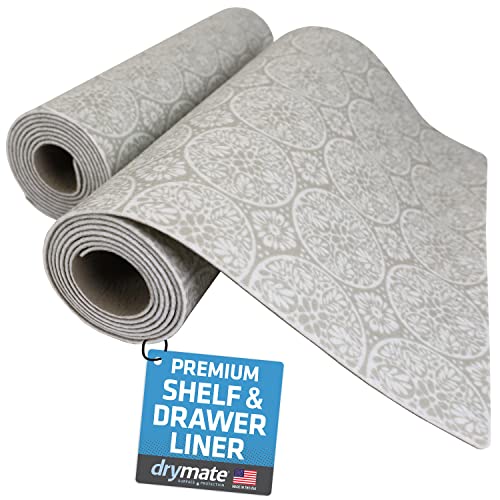
- ✓ Waterproof and slip-resistant
- ✓ Easy to cut and clean
- ✓ Made from recycled fibers
- ✕ Slightly thicker than some liners
- ✕ Price could be lower
| Material | Polyester blend with waterproof backing, made from over 50% recycled fibers |
| Product Thickness | 0.13 inches |
| Dimensions | 12 inches x 59 inches per liner |
| Waterproofing | Waterproof backing prevents liquid absorption and staining |
| Slip Resistance | Slip-resistant backing to prevent shifting during use |
| Cleaning & Maintenance | Machine washable, scrub with soap, rinse, and hang dry |
Many folks assume that shelf liners are just a quick fix for messy cabinets, but I’ve found they can actually transform your storage space. When I first unrolled this Drymate liner, I was surprised by how sturdy and thick it felt—definitely more than just a thin sheet of plastic.
The tan color blends seamlessly with most cabinet interiors, giving a clean, polished look without standing out. It’s easy to cut with scissors, and I appreciate that it doesn’t fray at the edges, making customization simple.
I tested it in my pantry and under the sink, and it stayed firmly in place thanks to the slip-resistant backing.
The real game-changer is its waterproof backing. I spilled some water on it, and it didn’t soak through or stain the surface below.
Plus, the absorbent fabric quickly wicks away moisture, which is a lifesaver for spills or leaks. Cleaning is a breeze—just rinse it off or toss it in the wash, and it looks good as new.
What really stood out is how versatile this liner is. I used it not only in kitchen cabinets but also in my laundry room and a cluttered desk drawer.
It’s durable enough to handle daily wear without tearing or fraying, which is great for long-term use.
Overall, this liner combines protection, durability, and ease of use. It’s a smart addition for anyone looking to keep their cabinets tidy and protected without hassle.
Drymate Luxury Shelf & Drawer Liners 12″x59″ 2-Pack Blue

- ✓ Easy to cut and install
- ✓ Absorbs spills effectively
- ✓ Slip-resistant backing
- ✕ Slightly thicker than some liners
- ✕ Limited color options
| Material | Waterproof backing with absorbent Drymate fabric, made from over 50% recycled fibers |
| Product Thickness | 0.13 inches |
| Dimensions | 12 inches x 59 inches per liner |
| Color | Blue |
| Installation | Easily cut to fit with scissors, won’t fray |
| Care Instructions | Machine washable, scrub with soap, rinse, hang dry |
You know that frustrating moment when you open a cabinet and spot a little spill or scratch, and suddenly it feels like your entire kitchen needs a makeover? That’s exactly what I kept worrying about—until I laid down these Drymate Luxury Shelf & Drawer Liners.
They come in a generous 12″x59″ size, and the blue color actually adds a nice pop of brightness to my cabinets, rather than just blending into the background. The material feels sturdy but flexible, making it super easy to cut with scissors to fit any shelf or drawer shape.
I found that it stays put thanks to the slip-resistant backing, so no more sliding around when I reach for a spice jar or utensil.
The real game-changer is the absorbent fabric combined with the waterproof backing. I spilled a bit of juice, and instead of staining or soaking through, the liner contained it easily.
Cleaning is a breeze—just rinse or toss in the wash, and it’s good as new. Plus, I love that it’s made from over 50% recycled fibers, so I feel a little better about my eco footprint.
Installation is quick, and I appreciate how durable it feels, promising long-term use without fraying or wearing out. Whether in my kitchen, pantry, or even in my laundry room, it’s versatile enough to handle all sorts of messes.
Honestly, it’s turned my cabinet maintenance from a chore into a simple wipe-and-go task.
Drymate Shelf & Drawer Liners 12″x59″ 2-Pack, Grey

- ✓ Durable and sturdy
- ✓ Waterproof and slip-resistant
- ✓ Easy to cut and clean
- ✕ Slightly pricier
- ✕ Limited color options
| Material | Absorbent fabric with waterproof backing, made from over 50% recycled fibers |
| Product Thickness | 0.13 inches |
| Dimensions | 12 inches x 59 inches per liner |
| Waterproofing | Waterproof backing to prevent liquid absorption into surfaces |
| Cutting & Customization | Easily cut with scissors without fraying, can be combined for custom fit |
| Cleaning & Durability | Machine washable or scrub with soap, hang dry; durable and long-lasting |
As soon as I laid out the Drymate Shelf & Drawer Liners, I noticed how much thicker and sturdier they felt compared to other liners I’ve tried. Unlike flimsy options that slide around or tear easily, these liners have a solid 0.13-inch thickness that instantly feels durable.
The grey color is subtle and modern, blending seamlessly with most cabinet interiors. I cut one to fit a tricky corner in my pantry, and the material didn’t fray or warp.
It’s super easy to customize with scissors, which is a big plus for odd-shaped shelves.
What really impressed me is how well the waterproof backing works. I spilled a glass of water on it, and the liquid stayed on the surface without seeping through.
Plus, the slip-resistant backing kept the liner firmly in place—no sliding or bunching up during use.
Cleaning is a breeze, too. I just rinsed it off in the sink and hung it to dry.
It’s made from over 50% recycled fibers, which makes me feel better about using it long-term. It’s versatile—perfect for kitchen cabinets, drawers, or even a work station.
Honestly, it helps keep everything cleaner and more organized without any fuss.
If I had to find a downside, the price is a little higher than some basic liners, but the quality justifies it. Overall, these liners are a smart upgrade for anyone tired of stains and messes ruining their cabinets.
What Are the Best Kitchen Cabinets Staining Colors to Consider?
The best kitchen cabinets staining colors can dramatically enhance the space’s aesthetic while complementing various styles and themes.
- White: A classic choice, white staining offers a clean and timeless look that brightens up kitchens. It works well with both traditional and modern designs and can make smaller spaces feel larger.
- Gray: Gray stains provide a contemporary and sophisticated feel, making them increasingly popular. They can range from light to dark shades and pair beautifully with stainless steel and other modern materials.
- Espresso: Dark espresso stains add depth and richness to kitchen cabinets, creating a striking contrast with lighter countertops and backsplashes. This color is often chosen for a luxurious or elegant ambiance.
- Natural Wood: Opting for a natural wood stain showcases the grain and texture of the wood, offering warmth and a rustic charm. This choice is ideal for farmhouse or country-style kitchens, emphasizing organic, earthy tones.
- Blue: A bold option, blue staining ranges from soft pastels to deep navy. This color can bring a refreshing and vibrant touch to the kitchen, making it a popular choice for seaside or coastal decor themes.
- Black: Black stains provide a dramatic and modern aesthetic, creating a sophisticated look that can make a statement. It pairs well with bright accents and can give a sleek, minimalist vibe to the kitchen.
- Green: Shades of green, from sage to olive, can evoke a sense of tranquility and connection to nature. They work well in kitchens aiming for a fresh and organic feel, often complementing wood and stone elements.
- Red: For a bold and inviting look, red stains can create warmth and a sense of energy in the kitchen. This color can be particularly effective in traditional or country-style kitchens, adding a pop of personality.
How Do Light Staining Colors Influence Kitchen Brightness?
- White: White stains create a clean and airy feel, reflecting natural light and making the kitchen appear larger. They are ideal for smaller spaces or those lacking ample light, as they enhance brightness and provide a minimalist aesthetic.
- Light Greys: Light grey stains offer a contemporary look while maintaining a brightness that is softer than white. This color pairs well with various design styles and can create a calming atmosphere, making it a versatile choice for modern kitchens.
- Pale Beiges: Pale beige staining adds warmth to a kitchen without overwhelming the space. This color can create a cozy and inviting environment, especially when combined with warm lighting fixtures that enhance its subtle tones.
- Soft Pastels: Soft pastel stains, like light blues or greens, can introduce a refreshing pop of color while still keeping the kitchen bright. These hues evoke a sense of tranquility and can work well in coastal or farmhouse-themed kitchens.
- Natural Wood Tones: Light natural wood stains, such as maple or ash, allow the wood grain to show through while providing a luminous quality. These stains maintain a connection to nature and can help create a warm and welcoming kitchen atmosphere.
What Dark Staining Colors Make a Statement in Modern Kitchens?
The best kitchen cabinet staining colors that make a statement in modern kitchens include a variety of bold and sophisticated shades.
- Charcoal Grey: This deep, muted tone adds a contemporary edge to kitchen spaces, creating a striking contrast with lighter countertops and backsplashes. It exudes a sleek and sophisticated vibe while also being versatile enough to blend with various color schemes.
- Espresso Brown: Rich and dark, espresso brown cabinets lend a warm yet modern feel to kitchens. This color enhances the natural wood grain, providing depth and character while making the kitchen feel luxurious and inviting.
- Deep Navy Blue: Navy blue is a bold choice that brings a touch of elegance and sophistication to kitchen cabinetry. It pairs beautifully with gold or brass fixtures, creating a high-end look that stands out without being overly flashy.
- Black Walnut: A dark and rich wood stain, black walnut imparts a sense of richness and drama to kitchen cabinets. Its unique grain patterns add visual interest, making it an excellent choice for those seeking a striking yet timeless appearance.
- Forest Green: This deep, earthy shade brings a natural feel to modern kitchens, reminiscent of lush landscapes. It works well with natural materials and can create a soothing and grounded atmosphere while still making a bold statement.
Which Neutral Tones Provide Versatility in Design?
The best kitchen cabinet staining colors that provide versatility in design include a range of neutral tones that can complement various styles and palettes.
- Gray: Gray is a versatile color that can range from light to dark shades, making it suitable for modern, contemporary, or rustic kitchens. It pairs well with both warm and cool tones, allowing for flexibility in accent colors and decor.
- Beige: Beige offers a warm, neutral backdrop that can create a cozy and inviting atmosphere in the kitchen. Its earthy undertones work beautifully with wood accents and a variety of color schemes, making it a popular choice for traditional and modern designs alike.
- White: While technically a non-color, white provides a clean and crisp look that enhances the brightness of any kitchen. It serves as a blank canvas, allowing for bold colors and patterns in countertops and backsplashes to stand out while maintaining a timeless appeal.
- Greige: A blend of gray and beige, greige is a trendy neutral that combines the best of both worlds. It has the warmth of beige and the coolness of gray, making it an ideal choice for a balanced, sophisticated look that pairs well with various materials.
- Taupe: Taupe is a rich, warm neutral that adds depth and sophistication to kitchen cabinetry. Its versatility allows it to harmonize with other colors and textures, making it suitable for both classic and modern designs.
How Does Your Kitchen’s Style Affect Staining Color Choices?
The style of your kitchen significantly influences the staining color choices for your cabinets, as different styles harmonize better with specific tones and finishes.
- Modern Style: A modern kitchen often features sleek lines and minimalistic designs, making it ideal for lighter stain colors such as white oak or natural finishes. These colors enhance the contemporary aesthetic by providing a clean and airy feel, while darker stains may clash with the simplicity of modern decor.
- Rustic Style: Rustic kitchens benefit from warm, rich stain colors such as walnut or chestnut that accentuate the natural wood grains. These tones complement the cozy, homey atmosphere typical of rustic spaces, enhancing the overall charm and creating a sense of warmth and comfort.
- Traditional Style: In a traditional kitchen, deeper, more classic stains like cherry or mahogany work well, as they add a sense of elegance and timelessness. These colors help to highlight intricate woodwork and cabinetry details, which are often prominent in traditional designs, giving a sophisticated and polished look.
- Industrial Style: An industrial kitchen can handle bold and darker stains such as ebony or espresso, which resonate with the raw materials often found in this style, like metal and concrete. These rich hues create a striking contrast with the other elements, enhancing the edgy and contemporary vibe typical of industrial decor.
- Farmhouse Style: Farmhouse kitchens thrive on whitewashing or light stains like cream or soft gray, which evoke a sense of simplicity and nostalgia. These colors help achieve a bright and welcoming space, aligning perfectly with the farmhouse aesthetic that values warmth and a connection to nature.
What Are the Best Stain Colors for a Rustic Kitchen Aesthetic?
The best stain colors for a rustic kitchen aesthetic often feature warm, earthy tones that enhance the natural beauty of wood.
- Walnut: Walnut stain offers a rich, dark brown color that provides depth and sophistication to rustic kitchen cabinets. Its natural grain patterns can create a striking contrast against lighter elements in the kitchen.
- Chestnut: This medium brown stain embodies warmth and is characterized by its golden undertones. Chestnut pairs beautifully with both modern and traditional fixtures, making it a versatile choice for achieving a cozy rustic look.
- Maple: A lighter stain like maple can brighten up a rustic kitchen while still maintaining a natural appearance. It showcases the wood’s natural beauty and grain, giving an airy feel that complements rustic decor.
- Red Oak: Red oak stains highlight the wood’s prominent grain and have a warm reddish hue that enhances the rustic charm. This stain color works well with metal accents and earthy tones, blending seamlessly into a rustic environment.
- Espresso: For a bolder choice, espresso stain offers a deep, almost black finish that can create dramatic contrast in a rustic kitchen. This color is particularly effective when paired with lighter countertops or natural stone elements, emphasizing the rustic theme.
- Grey Wash: A grey wash stain provides a weathered appearance that evokes a sense of age and history, perfect for a rustic kitchen. This stain allows the wood grain to show through while adding a modern twist to traditional rustic designs.
How Can You Match Stain Colors with Contemporary Designs?
Matching stain colors with contemporary designs for kitchen cabinets involves understanding popular trends and color palettes that complement modern aesthetics.
- Neutral Tones: Neutral stains like gray, beige, and taupe are highly favored in contemporary designs as they provide a versatile backdrop for various decor styles. These tones work harmoniously with sleek surfaces and minimalist designs, making spaces feel open and inviting.
- Bold Colors: Rich, bold stains such as deep navy, emerald green, or dark walnut can add a striking element to contemporary kitchens. These colors create dramatic contrasts, especially when paired with lighter countertops and fixtures, enhancing the overall visual interest of the space.
- Natural Wood Finishes: Emphasizing the natural beauty of wood with clear or light stains is a popular choice in contemporary design. This approach retains the grain and texture of the wood, adding warmth and organic appeal while maintaining a clean and modern aesthetic.
- Two-Tone Combinations: Utilizing a two-tone approach, where upper and lower cabinets are stained in different colors, can add depth and character to contemporary kitchens. This technique allows for creativity and personalization, helping to define spaces and focal points within the kitchen.
- Matte vs. Glossy Finishes: The choice between matte and glossy stains can significantly impact the overall look of kitchen cabinets. Matte finishes tend to convey a more understated, modern feel, while glossy stains can create a polished, high-end appearance that reflects light and enhances the spaciousness of the kitchen.
What Factors Should You Consider When Choosing Stain Colors?
When choosing stain colors for kitchen cabinets, several factors can influence your decision to achieve the best aesthetic and functionality.
- Existing Color Scheme: Consider the overall color palette of your kitchen, including walls, countertops, and flooring. The stain color should complement these elements to create a cohesive look, enhancing the kitchen’s overall design without clashing with other colors.
- Wood Type: Different wood species absorb stains differently, affecting the final color. For instance, oak tends to produce a lighter and more pronounced grain pattern, while maple can result in a more uniform appearance, so it’s essential to test stains on a sample of the actual wood.
- Lighting Conditions: The natural and artificial lighting in your kitchen can significantly impact how stain colors appear. Colors can look warmer or cooler depending on the light source, so it’s advisable to observe the stain samples in the kitchen’s lighting throughout the day.
- Desired Style: The stain color should align with the style you want to achieve, whether it’s modern, traditional, or rustic. Darker stains often lend a more sophisticated look, while lighter stains can create an airy and open feel, so consider your desired aesthetic carefully.
- Maintenance Considerations: Some stain colors may show dirt, scratches, and wear more readily than others. Darker stains might hide imperfections better, while lighter stains may require more frequent cleaning and upkeep, affecting the long-term satisfaction with your choice.
- Trends vs. Timelessness: While current trends can influence your choice, it’s important to balance trendy colors with timeless options that won’t quickly go out of style. Choosing classic stains can ensure your cabinets remain appealing for years, regardless of fleeting design trends.
How Do Lighting Conditions Impact the Appearance of Stains?
Lighting conditions significantly influence the appearance of stains on kitchen cabinets, affecting how colors are perceived and how they interact with surrounding elements.
- Natural Light: Natural light can enhance the vibrancy of staining colors, making them appear brighter and more saturated during the day. The shifting angle and intensity of sunlight can also cause the color to look different at various times, highlighting the grain patterns and details of the wood.
- Artificial Light: The type of artificial lighting used, such as incandescent, fluorescent, or LED, can dramatically alter the way stain colors are perceived. For instance, warm-toned bulbs may bring out the richness in darker stains, while cooler-toned lights can make lighter stains appear more muted.
- Room Size and Color Scheme: The overall size of the kitchen and the colors of the walls and decor can impact how stain colors are viewed. Darker rooms may make stains look darker and more subdued, while lighter walls can reflect light and enhance the brightness of the cabinet stains.
- Finish Type: The finish applied over the stain, whether matte, satin, or gloss, can also affect how colors appear under different lighting. Glossy finishes reflect more light, which can make colors appear more intense, while matte finishes absorb light and may give a more subdued look.
- Time of Day: The time of day can change the quality of light in the kitchen, which in turn affects stain appearance. Morning light tends to be cooler and brighter, while evening light can be warmer and softer, leading to different perceptions of the same stain color throughout the day.
Why Is It Important to Consider the Existing Decor?
According to a study published in the Journal of Environmental Psychology, color harmony can evoke emotional responses and affect individuals’ perceptions of a space. When cabinet colors complement existing decor, they enhance the visual flow and create a more inviting atmosphere, making the kitchen feel more comfortable and usable (Köhler et al., 2020).
The underlying mechanism involves the color theory, which suggests that certain colors can create feelings of warmth or coolness, stability or excitement. When kitchen cabinets are stained in a color that clashes with countertops, wall paint, or flooring, it can disrupt the visual balance and lead to a disjointed appearance. This dissonance not only detracts from the kitchen’s aesthetic but can also affect the perceived size and openness of the space, as noted in research by the American Society of Interior Designers (ASID), which found that cohesive color schemes contribute to a more spacious feel in smaller areas.
What Tips Can Help You Pick the Right Staining Color?
- Consider Your Existing Color Palette: Carefully evaluate the colors already present in your kitchen, such as the walls, countertops, and appliances. Choosing a stain color that harmonizes with these elements can create a cohesive look that enhances the space.
- Understand Wood Types: Different types of wood absorb stain differently, which can affect the final appearance. For instance, oak can appear much lighter or darker than maple when stained, so it’s essential to test stains on samples of the actual wood you will be using.
- Test Samples: Always test stain colors on a small, inconspicuous area or a scrap piece of the same wood. This practice allows you to see how the color looks in various lighting conditions and helps prevent any unpleasant surprises post-application.
- Consider the Style of Your Kitchen: Your kitchen’s design style can significantly influence the best stain color choice. For rustic or farmhouse styles, warmer, earth-toned stains work well, while modern kitchens may benefit from cooler, darker tones.
- Think About Maintenance: Lighter stains can show dirt and wear more easily compared to darker stains. If your kitchen sees heavy use, consider choosing a more forgiving color that won’t require frequent touch-ups.
- Future Trends: While you may have a preference for current trends, consider timeless colors that won’t go out of style quickly. Neutral tones or classic wood finishes often maintain their appeal longer than trendy colors.
- Consult with Professionals: If you’re uncertain, consulting a design professional can provide valuable insights. They can help you navigate through options and suggest colors that best suit both your taste and your kitchen’s functionality.
How Can You Effectively Test Staining Colors Before Committing?
To effectively test staining colors before committing, consider the following methods:
- Sample Boards: Create sample boards using scrap wood or offcuts from your cabinet material to apply various staining colors.
- Swatches from Manufacturers: Obtain swatch samples from paint or stain manufacturers to see a more accurate representation of the color.
- Digital Color Visualizers: Use digital tools or apps that allow you to visualize stain colors on a digital image of your kitchen.
- Test on Hidden Areas: If possible, test the stain in a less visible area of your cabinets to observe how it interacts with the wood grain.
- Ask for Professional Advice: Consult with paint or home improvement professionals who can provide insights based on experience and trends.
Sample Boards: Creating sample boards allows you to apply different stain colors to a piece of wood that matches your cabinets. This hands-on method lets you see how each stain color interacts with the wood grain and lighting in your kitchen, making it easier to select the perfect shade.
Swatches from Manufacturers: Many manufacturers provide swatches or small sample jars of their stain colors. This method gives you a direct comparison of colors in real life, and you can take them home to see how they look against your kitchen’s lighting and decor.
Digital Color Visualizers: Various apps and websites offer digital visualizing tools that allow you to upload a photo of your kitchen and apply different stain colors virtually. This method can provide a quick and easy way to explore color options without the mess of actual stains.
Test on Hidden Areas: If you’re hesitant to create sample boards, testing stain colors on hidden areas of your cabinets can be a practical solution. This approach allows you to observe the final look in the actual environment without committing to a visible area.
Ask for Professional Advice: Consulting with professionals at local home improvement stores can provide valuable insights. They can guide you on the best practices for staining and suggest popular colors that complement kitchen designs, helping you make a more informed decision.
What Maintenance Is Required for Different Staining Colors?
Different staining colors for kitchen cabinets require specific maintenance practices to ensure longevity and aesthetic appeal.
- Natural Wood Stain: Natural wood stains enhance the inherent beauty of the wood grain and are relatively easy to maintain. Regular dusting and occasional application of a wood conditioner can help preserve the finish and prevent drying or fading.
- Dark Espresso Stain: Dark espresso stains provide a rich, sophisticated look but may show dust and fingerprints more easily. It is advisable to use a damp cloth for cleaning and to apply a protective topcoat periodically to maintain its depth and luster.
- Gray Stain: Gray stains offer a modern, trendy appearance and tend to require careful maintenance to avoid discoloration. Cleaning with mild soap and water and avoiding harsh chemicals will help retain the gray shade while applying a refresher coat of stain every few years can prevent fading.
- Whitewash Stain: Whitewash stains create a light, airy feel but can be more susceptible to wear and tear. Gentle cleaning with a soft cloth and a light application of wax or a clear coat can help protect the finish while enhancing its brightness.
- Cherry Stain: Cherry stains develop a beautiful patina over time but need to be protected from direct sunlight to prevent fading. Regular dusting and applying a high-quality furniture polish can nourish the wood and help maintain its rich color.
- Walnut Stain: Walnut stains offer a deep, warm tone but can show scratches and wear more easily than lighter stains. To maintain its beauty, it is important to clean with a soft, damp cloth and consider re-staining or applying a sealant every few years to refresh its appearance.
Which Stains Require More Upkeep Over Time?
The main kitchen cabinet staining colors that require more upkeep over time include:
- Dark Stains: Darker colors, such as ebony or walnut, can show dust and fingerprints more prominently than lighter shades.
- Glossy Finishes: High-gloss stains tend to highlight imperfections and scratches, necessitating regular polishing to maintain their appearance.
- Bright Colors: Bold stains, such as red or blue, may fade faster when exposed to sunlight, requiring periodic reapplication to keep the color vibrant.
- Translucent Stains: These allow the wood grain to show through, but they may require more frequent touch-ups to retain the desired look as the wood ages.
- Natural Finishes: While they offer a beautiful, organic look, they typically need more frequent reapplication to protect the wood from wear and environmental damage.
Dark stains, like ebony or walnut, are striking but tend to show dust and fingerprints more easily than lighter hues, which means more regular cleaning is necessary to maintain their aesthetic appeal. Additionally, they can highlight any imperfections in the cabinetry, making upkeep challenging.
Glossy finishes, while visually stunning, can often emphasize scratches and other surface blemishes, requiring frequent polishing and care to keep them looking pristine. The reflective quality of these finishes can also accentuate dust particles, which can be a hassle for homeowners.
Bright colors, like vibrant reds or blues, can add a fun element to kitchen decor, but they are prone to fading if exposed to direct sunlight. To keep these colors looking fresh and lively, regular reapplication and protection from UV light are essential.
Translucent stains provide a unique view of the wood grain but can necessitate more frequent touch-ups. As the wood ages, the finish may wear unevenly, leading to a need for reapplication to maintain a consistent look.
Natural finishes, which enhance the wood’s innate beauty, may require more upkeep as they are less protective compared to heavier stains. They often need reapplication to shield the wood from moisture and environmental factors, ensuring that the kitchen cabinets remain in good condition over time.
Related Post: