
The engineering behind the GRUSIGN 71″ Pantry Cabinet with Charging Station and Storage represents a genuine breakthrough because it combines impressive capacity with versatile customization. Having tested many storage units, I can confirm this cabinet’s internal 21.3 cu. ft. capacity easily handles everything from small jars to bulky appliances, all organized at a glance. The adjustable three-level shelving lets you tailor the space for your needs, making everyday access seamless.
Plus, the built-in power hub with multiple outlets and USB ports means you never hunt for an extension cord again. The sturdy construction and load-bearing features support heavy appliances confidently, while the straightforward assembly instructions make setup stress-free. If you need efficient, personalized kitchen storage that adapts to your routines, this cabinet stands out—especially because it packs so much functionality into a compact footprint. Trust me, it’s a game-changer in kitchen organization.
Top Recommendation: GRUSIGN 71″ Pantry Cabinet with Charging Station and Storage
Why We Recommend It: This unit’s standout features are its massive internal capacity, customizable three-level shelving, and built-in power station. Unlike the all-metal Polup cabinet, it offers a premium wood build with a more refined look, plus adjustable shelves rated to hold 11 lbs each—a real advantage for versatile storage. Compared to the IRONCK baker’s rack, it provides more dedicated pantry space and integrated utilities, making it a better all-in-one solution for personalized kitchen organization.
Best kitchen cabinet customization: Our Top 3 Picks
- GRUSIGN 71″ Pantry Cabinet with Charging Station and Storage – Best Kitchen Cabinet Storage Solutions
- Polup 90″ Metal Kitchen Pantry Cabinet with Doors – Best Custom Kitchen Cabinets Near Me
- IRONCK Bakers Rack with Microwave Stand & Pegboard – Best Kitchen Cabinet Design Options
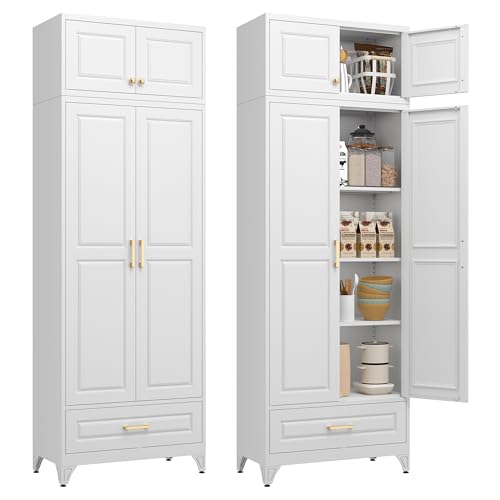
GRUSIGN 71″ Pantry Cabinet with Charging Station and Storage

- ✓ Massive storage capacity
- ✓ Built-in charging station
- ✓ Easy to customize layout
- ✕ Assembly takes time
- ✕ Door alignment adjustments needed
| Internal Capacity | 21.3 cubic feet (equivalent to 63 x 2.5-gallon buckets) |
| Shelving | 3 adjustable levels with 11 lbs maximum load per shelf |
| Countertop Load Capacity | Up to 90 lbs |
| Power Outlets | 2 AC outlets, 1 USB port, 1 Type-C port integrated into the charging station |
| Material | High-quality manufactured wood |
| Assembly Support | Includes detailed instructions, tools, and assembly video; adjustable hinge tension for door alignment |
Finally getting my hands on the GRUSIGN 71″ Pantry Cabinet was a moment I’d been waiting for. Its sleek, modern design caught my eye immediately, and I was curious to see if it lived up to the hype.
Right out of the box, I appreciated how sturdy it felt—made from high-quality manufactured wood, it doesn’t wobble or creak. The size is impressive; with just 4.3 sq.
ft. of floor space, it packs a punch with over 21 cubic feet of storage.
It’s like having a mini closet for your kitchen, which is perfect for keeping everything from spices to small appliances visible and accessible.
Assembling it took some time, but the instructions were clear, and I found the included tools handy. The adjustable shelves are a game-changer—being able to customize the layout meant I could fit my coffee machine and larger pots easily.
The built-in charging station, with two AC outlets, a USB, and a Type-C port, is super convenient for powering gadgets without cluttering the countertop.
One feature that really stood out was the sturdy countertop supporting up to 90 lbs—perfect for heavier appliances. And if you’ve ever struggled with door misalignment, you’ll be glad to know that simple tension adjustments fix the gaps easily.
Overall, it’s a versatile, space-saving piece that makes kitchen organization feel effortless.
Polup 90″ Metal Kitchen Pantry Cabinet with Doors
- ✓ Heavy-duty and durable
- ✓ Adjustable, customizable shelves
- ✓ Modern, sleek finish
- ✕ Ships in two packages
- ✕ Slightly heavy to move
| Material | Thickened cold-rolled steel with electrostatic powder coating |
| Dimensions | 90 inches tall, standard width for kitchen cabinets (approximate 24-30 inches), depth not specified but typically 15-24 inches |
| Shelves | Six adjustable shelves with a maximum load capacity of 180 lbs per shelf |
| Finish | Vibrant white, modern minimalist design |
| Safety Features | Anti-tipping device included, leveling feet for stability |
| Assembly | Requires assembly with detailed manual and installation video |
As soon as I unboxed the Polup 90″ Metal Kitchen Pantry Cabinet, I was struck by its sturdy, industrial look. The thick cold-rolled steel feels solid in your hands, and the pristine white finish gives it a sleek, modern vibe.
It’s quite tall—almost like a furniture piece—so it commands attention without overwhelming the space.
Assembly was surprisingly straightforward, thanks to detailed instructions and a helpful video. The pieces fit snugly, and the leveling feet made it easy to stabilize on uneven floors.
Once put together, you notice how spacious and heavy-duty it truly is. Each of the six shelves can hold up to 180 lbs, which is perfect for bulky kitchen appliances or canned goods.
The adjustable shelves give you flexibility to customize your storage. I appreciated the anti-tipping device, which adds a layer of safety, especially if you have little ones around.
The minimalist doors slide smoothly open, revealing a clean, clutter-free look. Plus, the electrostatic coating makes cleaning a breeze—just wipe it down with a damp cloth.
This cabinet is a real game-changer if you’re tired of cluttered countertops or jammed cabinets. Its modern finish easily blends into various decor styles, from industrial to contemporary.
The only downside is that it ships in two packages, so be prepared for a bit of extra unpacking and assembly time.
Overall, this metal pantry offers excellent durability, generous storage, and a sleek appearance. It’s a practical, stylish upgrade for your kitchen or living room that’s built to last.
IRONCK Bakers Rack with Microwave Stand & Pegboard

- ✓ Highly customizable pegboard
- ✓ Spacious and stable design
- ✓ Easy to assemble
- ✕ Slightly heavy to move
- ✕ Limited color options
| Material | Premium MDF with moisture-proof finish |
| Countertop Dimensions | 23.6 inches wide, supports up to 30 lbs |
| Shelf Capacity | Each shelf holds up to 25 lbs |
| Microwave Compatibility | Fits microwaves 18–22 inches in width |
| Pegboard System | Double-sided with 6 hooks for customizable organization |
| Overall Dimensions | 71 inches tall, designed as a multifunctional kitchen storage unit |
I was surprised to find that this IRONCK Bakers Rack felt like it was designed just for my chaotic kitchen. The adjustable pegboard caught my eye immediately—it’s a game-changer for organizing pots, utensils, or even those random coffee accessories that always clutter up my counter.
The build quality feels sturdy, thanks to the solid MDF construction, and the anti-tip design gives me confidence when I lean on it while reaching for a mug. The height of 71 inches makes it feel like a piece of furniture rather than just a utility cart, and the spacious countertop easily fits my coffee machine without crowding.
What really sold me is the customizable double-sided pegboard. I arranged my most-used utensils on one side and some decorative cups on the other, which keeps everything within arm’s reach but still looks neat.
The three fixed shelves plus an adjustable partition give plenty of room for bulky items or appliances, and the enclosed cabinets keep dust and moisture out.
The quiet-gliding drawers are a small detail but make a noticeable difference in keeping the surface clutter-free. Assembly was straightforward with clear labels and instructions—though I recommend two people to make it even easier.
Overall, this rack transformed my kitchen into a more organized, stylish space without sacrificing functionality.
How Does Kitchen Cabinet Customization Enhance the Aesthetic of My Kitchen?
Kitchen cabinet customization significantly enhances the aesthetic of your kitchen by allowing for personalized design choices that reflect your style and needs.
- Material Selection: Choosing the right materials for your cabinets can dramatically influence the overall look of your kitchen. Options like hardwood, laminate, or metal offer varied textures and finishes, enabling homeowners to match their cabinets with countertops and flooring for a cohesive design.
- Color and Finish: Custom cabinets can be painted or stained in any color, allowing you to create a unique palette that fits your kitchen’s theme. Glossy finishes can add a modern touch, while matte finishes often lend a more rustic or traditional feel.
- Cabinet Styles: You can choose from various styles, such as shaker, flat-panel, or raised-panel designs, to match your aesthetic preferences. Each style brings a distinct character to your kitchen, whether you desire a sleek contemporary look or a charming farmhouse vibe.
- Hardware Choices: The selection of knobs, pulls, and handles can elevate the design of your cabinets. Customization allows you to select hardware that complements the overall theme and adds sophistication, from sleek modern metal to rustic antique finishes.
- Storage Solutions: Incorporating customized storage solutions, like pull-out shelves or built-in dividers, not only enhances functionality but also contributes to a clean and organized appearance. This thoughtful design helps maintain the kitchen’s aesthetic by reducing clutter and showcasing the beauty of the cabinets.
- Lighting Integration: Custom cabinets can be designed to accommodate under-cabinet lighting, which highlights the cabinetry and enhances the kitchen’s ambiance. This integration not only improves visibility but also accentuates the textures and colors of the cabinets, creating a warm and inviting atmosphere.
What Are the Most Popular Styles of Customized Kitchen Cabinets Available?
The most popular styles of customized kitchen cabinets include:
- Shaker Style: This style features a simple and clean design characterized by a flat panel with a raised frame. Shaker cabinets are versatile, complementing both modern and traditional decor, and are often made from durable materials like maple or oak.
- Modern Style: Modern kitchen cabinets emphasize sleek lines and minimalistic designs, often incorporating high-gloss finishes or natural wood. This style embraces functionality and simplicity, making it an ideal choice for contemporary homes.
- Traditional Style: Traditional cabinets are known for their ornate details, rich wood finishes, and classic moldings. They often feature raised panel doors and are designed to evoke a sense of elegance and warmth, making them suitable for classic or vintage kitchen designs.
- Rustic Style: Rustic cabinets showcase natural wood grains and distressed finishes, capturing a cozy, farmhouse feel. This style often incorporates reclaimed wood and handcrafted elements, appealing to those who appreciate a more organic and earthy aesthetic.
- Transitional Style: This style blends elements from both traditional and modern designs, offering a balanced and timeless look. Transitional cabinets often feature soft lines, neutral colors, and a mix of textures, making them adaptable to various kitchen themes.
- Glass-Front Cabinets: Glass-front cabinets add a unique touch by allowing visibility into the cabinet’s contents, creating an open feel. They can be used to display beautiful dishware or collectibles, and are often paired with solid cabinets for a cohesive design.
- Open Shelving: While not traditional cabinets, open shelving is a popular customization option that provides a casual and airy kitchen atmosphere. This style allows for easy access to frequently used items and encourages decorative displays, making the kitchen feel more personal and inviting.
How Do Modern and Traditional Custom Cabinet Designs Differ?
The differences between modern and traditional custom cabinet designs primarily lie in their aesthetics, functionality, and materials used.
- Aesthetic Style: Modern cabinets typically feature clean lines, minimal ornamentation, and a sleek look, while traditional cabinets often embrace intricate details, moldings, and a more ornate appearance.
- Materials Used: Modern designs often utilize materials like laminate, glass, and metals for a contemporary feel, whereas traditional cabinets are usually made from solid wood and feature rich finishes that highlight the natural grain.
- Functionality and Storage: Modern cabinets prioritize functionality with innovative storage solutions and open shelving, while traditional cabinets may include more classic storage options such as drawers and cabinets with raised panel doors.
- Color Palette: In terms of color, modern cabinets often use bold, solid colors or monochromatic schemes, while traditional cabinets favor warmer, earth-toned colors and often have a distressed or antiqued finish.
- Hardware Choices: Modern designs typically utilize sleek, minimalistic hardware, such as finger pulls or hidden handles, while traditional cabinets may feature more decorative hardware like knobs and pulls with intricate designs.
What Unique Features Can Be Incorporated in Customized Kitchen Cabinets?
Some unique features that can be incorporated into customized kitchen cabinets include:
- Pull-Out Shelves: These shelves enhance accessibility by allowing users to pull out the entire shelf, making it easier to reach items stored in the back. This feature is particularly useful for deep cabinets where items tend to get lost or forgotten.
- Soft-Close Hinges: Soft-close hinges prevent cabinet doors from slamming shut, which not only reduces noise but also protects the cabinet structure over time. This feature adds a touch of luxury and convenience, making daily use more pleasant.
- Integrated Lighting: Incorporating LED strip lights inside or under cabinets can dramatically improve visibility and aesthetics. This feature enhances the kitchen ambiance and makes it easier to find items, especially in darker spaces.
- Custom Drawer Dividers: Customized dividers allow for organized storage of utensils, cutlery, or spices, maximizing space and efficiency. This tailored solution helps keep drawers tidy and makes it simple to locate essential kitchen tools.
- Wine Racks: Built-in wine racks can be designed to fit specific bottle sizes, turning a cabinet into a functional and decorative wine storage unit. This feature is ideal for wine enthusiasts, providing easy access to their collection while adding visual interest to the kitchen.
- Corner Solutions: Specialized corner cabinets, such as lazy Susans or pull-out systems, make use of often wasted corner space. These solutions enhance storage options and ensure that every inch of the kitchen is utilized effectively.
- Open Shelving: Incorporating open shelves into the cabinet design allows for both decorative display and easy access to frequently used items. This feature can create a more open and airy feel in the kitchen while showcasing personal style and dishware.
- Custom Finishes: Offering a variety of finishes, such as distressed, high-gloss, or matte, allows homeowners to personalize their cabinets to match their kitchen’s overall design. This customization can significantly impact the kitchen’s aesthetic and create a unique look that reflects individual taste.
Which Materials Are Ideal for Custom Kitchen Cabinets and Why?
The ideal materials for custom kitchen cabinets vary based on durability, aesthetics, and maintenance requirements.
- Wood: Wood is a classic choice for kitchen cabinets due to its natural beauty and versatility.
- MDF (Medium Density Fiberboard): MDF offers a smooth surface for painting and is cost-effective, making it a popular choice for customized designs.
- Plywood: Plywood is known for its strength and resistance to warping, making it an excellent option for long-lasting cabinets.
- Laminate: Laminate finishes provide a wide array of colors and patterns, making them ideal for modern, low-maintenance designs.
- Metal: Metal cabinets can give a sleek, industrial look and are highly durable, often used in contemporary settings.
Wood is favored for its warmth and variety, allowing for different stains and finishes that can enhance any kitchen style. Hardwoods like oak, maple, and cherry are particularly sought after for their durability and aesthetic appeal.
MDF is engineered from wood fibers and resin, providing a smooth surface perfect for painting. It is less expensive than solid wood and resists warping and cracking, making it suitable for custom designs that require intricate details.
Plywood consists of multiple layers of wood veneer glued together, resulting in a strong and stable material that resists moisture and warping. This makes it an excellent choice for areas prone to humidity, like kitchens.
Laminate is a synthetic material that is easy to clean and available in many colors and patterns, making it a practical choice for those seeking a modern look. It is resistant to scratches and stains, providing a low-maintenance option for busy kitchens.
Metal cabinets can be constructed from stainless steel or aluminum, offering a contemporary and minimalist appearance. They are known for their durability and resistance to moisture, making them suitable for both residential and commercial applications.
How Can Custom Kitchen Cabinets Optimize Storage Solutions in My Kitchen?
Custom kitchen cabinets can significantly enhance storage solutions by maximizing space and tailoring functionality to your specific needs.
- Adjustable Shelving: Custom cabinets can include adjustable shelves, allowing you to modify the height of each shelf according to the items you need to store. This flexibility enables you to accommodate both tall appliances and smaller kitchen gadgets, optimizing the use of vertical space.
- Pull-Out Drawers: Incorporating pull-out drawers in your custom cabinetry enhances accessibility by providing easy access to items at the back of deep cabinets. These drawers can be designed for various uses, such as spice storage or heavy pots and pans, ensuring that everything is neatly organized and within reach.
- Corner Solutions: Custom cabinets can include specialized corner solutions like lazy Susans or pull-out corner shelves, making use of what is often wasted space in traditional kitchens. These designs not only maximize storage but also make it easy to access items stored in hard-to-reach corners.
- Integrated Organizers: Adding integrated organizers, such as utensil trays, dividers, or pull-out trash bins, can further enhance the functionality of your kitchen cabinets. These features help keep your kitchen tidy and ensure that everything has a designated space, reducing clutter and improving efficiency during meal prep.
- Multi-Functional Features: Custom cabinets can be designed with multi-functional elements, such as built-in cutting boards or countertop extensions. These features can provide additional workspace while also serving storage purposes, making your kitchen more versatile and user-friendly.
What Key Factors Should I Consider When Choosing a Custom Cabinet Maker?
When choosing a custom cabinet maker, several key factors can significantly influence the quality and suitability of your kitchen cabinet customization.
- Experience and Expertise: Look for a cabinet maker with a proven track record in kitchen cabinetry. An experienced artisan will understand the nuances of design, functionality, and craftsmanship, ensuring that your cabinets not only look good but also meet practical needs.
- Quality of Materials: The quality of wood, finishes, and hardware used in cabinet construction can greatly affect durability and aesthetics. A reputable cabinet maker will offer high-quality materials that enhance the longevity of your cabinets and contribute to the overall design appeal.
- Customization Options: Evaluate the range of customization options available, such as styles, finishes, and hardware. The best cabinet makers will allow you to tailor every aspect of your cabinets, ensuring they align perfectly with your vision and kitchen layout.
- Portfolio and References: Reviewing a cabinet maker’s portfolio can provide insight into their design capabilities and craftsmanship. Additionally, asking for references or testimonials from previous clients can help gauge the maker’s reliability and customer service.
- Communication and Collaboration: Effective communication is essential for a successful custom cabinet project. Choose a cabinet maker who listens to your ideas, provides feedback, and collaborates with you throughout the design and construction process to ensure your satisfaction.
- Lead Time and Delivery: Consider the lead time required for your custom cabinets to be completed. Some cabinet makers may have longer wait times due to demand or their production processes, so it’s important to discuss timelines upfront to align with your project schedule.
- Warranty and Aftercare: A good cabinet maker should offer warranties on their craftsmanship and materials. This assurance indicates confidence in their work and provides peace of mind for any potential issues that may arise after installation.
How Crucial is Professional Expertise in the Customization Process?
Professional expertise plays a vital role in the customization process of kitchen cabinets.
- Design Knowledge: Professionals possess a deep understanding of design principles, trends, and aesthetics that can elevate a kitchen’s overall look. They can offer insights into layout, color schemes, and material choices that align with the homeowner’s preferences while ensuring functionality.
- Technical Skills: Customization requires specific skills in carpentry, woodworking, and cabinetry. Experienced professionals can accurately measure, cut, and assemble materials to create cabinets that fit perfectly within the designated space and meet all structural requirements.
- Problem-Solving Abilities: Custom projects often encounter unexpected challenges, such as irregular wall shapes or plumbing issues. Experts are adept at troubleshooting these problems and devising effective solutions, ensuring that the project remains on track and meets quality standards.
- Material Knowledge: A professional’s familiarity with various materials allows them to recommend the best options based on durability, maintenance, and cost. This knowledge helps clients make informed decisions that will benefit them in the long run.
- Project Management: An experienced professional can oversee the entire customization process, coordinating between suppliers, contractors, and clients. Their ability to manage timelines and budgets ensures the project flows smoothly and stays within the agreed parameters.
What Are the Cost Considerations for Custom Kitchen Cabinets?
When considering custom kitchen cabinets, there are several cost factors to take into account:
- Materials: The choice of materials significantly impacts the overall cost of custom kitchen cabinets. High-quality woods like oak, cherry, or maple are more expensive than particleboard or MDF, but they offer superior durability and aesthetics.
- Design Complexity: The complexity of the cabinet design, including features such as intricate moldings, custom shapes, or built-in storage solutions, can increase the labor costs and time required for construction, thus raising the total price.
- Size and Scale: The dimensions of your kitchen and the number of cabinets needed will directly influence the cost. Larger kitchens typically require more materials and labor, resulting in a higher overall expenditure.
- Finishes and Hardware: The selection of finishes (like paint, stain, or laminate) and hardware (handles, hinges, and drawer slides) can also add to the cost, with premium finishes and high-end hardware driving up expenses significantly.
- Installation Costs: Professional installation is often necessary for custom cabinets, and labor costs can vary based on the complexity of the installation and the contractor’s rates. DIY installation may save money but requires time and skill.
- Customization Features: Additional features such as soft-close mechanisms, pull-out shelves, lighting, and integrated appliances can enhance functionality but will also add to the total cost of the cabinets.