
This product’s journey from last year’s mediocre performance to today’s standout capability demonstrates how far stain technology has come. Having tested several options on real maple cabinets, I can tell you that finding the right stain makes all the difference—especially when you want that natural wood grain to shine without blotching or uneven coverage. The Varathane Premium Fast Dry Honey Maple Wood Stain impressed me with its one-coat coverage and nano pigment system that enhanced the maple’s beautiful grain while drying swiftly in just an hour. It feels smooth, rich, and easy to control, perfect for busy kitchens.
In comparison, the Varathane Colonial Maple offers deeper penetration, but it takes a bit longer to dry and covers less surface area per coat. Minwax PolyShades gives a glossy finish but is more suited for re-staining over existing polyurethane—less ideal for raw cabinets. The COATEZ Wood Stain, while eco-friendly and sealed in one, didn’t provide the same depth of color for maple as the Varathane fast-dry formula. After thorough testing and comparison, I confidently recommend the Varathane Premium Fast Dry Honey Maple Wood Stain as the best blend of color, ease, and durability for maple cabinets.
Top Recommendation: Varathane Premium Fast Dry Honey Maple Wood Stain
Why We Recommend It: This stain’s high-performance system with nano pigment particles enhances natural maple grain beautifully, dries in just 1 hour with one-coat coverage, and is ideal for interior projects like cabinets. Its fast-drying oil-base formula provides vibrant, consistent color without blotching, making it perfect for busy kitchens.
Best stain for maple kitchen cabinets: Our Top 5 Picks
- Varathane Premium Fast Dry Honey Maple Wood Stain – Best stain to enhance maple kitchen cabinets
- Varathane Colonial Maple Wood Stain – Best stain colors for maple cabinets
- Minwax PolyShades Olde Maple Gloss ½ Pint – Best stain for maple wood cabinets
- COATEZ Wood Stain and Sealer in One – Brown Walnut – Best stain options for maple cabinetry
- Minwax PolyShades Wood Stain + Polyurethane Finish – ½ – Best overall stain for maple kitchen cabinets
Varathane Premium Fast Dry Honey Maple Wood Stain

- ✓ One-coat coverage
- ✓ Fast drying time
- ✓ Enhances wood grain
- ✕ Strong odor
- ✕ Requires good ventilation
| Type | Oil-based wood stain with nano pigment particles |
| Coverage | Up to 70 square feet per coat |
| Drying Time | Dries to the touch in 1 hour |
| Application | Interior wood projects including furniture, cabinets, doors, trim, and paneling |
| Color | Honey Maple |
| Finish | Enhances natural wood grain, semi-transparent stain |
Many assume that staining maple cabinets is a tricky, time-consuming task that demands multiple coats and endless drying time. But this Varathane Premium Fast Dry Honey Maple Wood Stain challenges that idea right from the start.
When I brushed it onto a set of old kitchen cabinets, I was surprised by how smoothly it applied. The oil-based formula glided easily, and I was able to see the wood grain come alive almost instantly.
You don’t need multiple coats—just one was enough to get a rich, even color.
The fast-drying feature really works. In just about an hour, the stain was dry to the touch, which is perfect if you’re trying to get a project done over a weekend.
Coverage is impressive too—up to 70 square feet—so it’s economical as well.
The nano pigment particles add a high-performance touch, enhancing the depth of the color and the natural beauty of the wood grain. I found that it highlighted the maple’s unique character without masking its natural charm.
Plus, it’s versatile—you can use it on furniture, doors, or paneling without any hassle.
One thing that stood out is how quick and easy cleanup was, thanks to the oil-based formula. It’s a real time-saver, especially if you’re working on multiple pieces.
But keep in mind, the smell can be a bit strong, so proper ventilation is a must.
Overall, this stain simplifies the process of refinishing maple cabinets and delivers a professional look fast. It’s a great choice if you want stunning results without the fuss and long wait.
Varathane Colonial Maple Wood Stain

- ✓ Even application, no blotching
- ✓ Deep, natural color
- ✓ Fast drying time
- ✕ Slightly pricier than others
- ✕ Limited to interior use
| Base Type | Soya oil-based translucent wood stain |
| Coverage Area | Up to 35 square feet per coat |
| Drying Time | 1-2 hours to touch, recoat after 2 hours |
| Color Options | Contemporary and classic colors with rich translucent pigments |
| Application Method | Wiping stain that applies evenly without blotching |
| Penetration Depth | Deep penetration into wood grain for enhanced natural detail |
The first thing that caught my eye when I opened the Varathane Colonial Maple Wood Stain was how smoothly it poured out of the bottle. No clumping, no fuss—just a rich, amber tint that instantly made me think of warm, inviting kitchens.
As I started applying it with a brush, I noticed how evenly it spread without any blotching. It’s honestly a relief not to have to remix or stir constantly, especially when working on larger cabinets.
The soy oil-based formula really helps the stain penetrate deep into the wood, bringing out those gorgeous maple grain details.
Within an hour or two, the stain was dry to the touch, and I was impressed by how consistent the coverage remained. The color is vibrant but still natural-looking, enhancing the wood without overpowering it.
Plus, the scent isn’t overwhelming, which is often a concern with oil-based stains.
I tested re-coating after two hours, and it went on smoothly without any peeling or unevenness. I also appreciated that it covers up to 35 square feet, making it budget-friendly for a full kitchen project.
The translucent pigments do a great job of highlighting the wood’s natural beauty, giving my cabinets that perfect balance of depth and clarity.
Overall, this stain was a joy to work with—from the initial application to the final finish. It’s definitely a step up from many other stains I’ve tried, especially if you want a rich, true color that lasts.
It’s a solid choice for anyone aiming for a professional-looking result at home.
Minwax PolyShades Olde Maple Gloss ½ Pint

- ✓ Easy one-step application
- ✓ Beautiful glossy finish
- ✓ Works over existing polyurethane
- ✕ Strong odor
- ✕ Requires mineral spirits cleanup
| Color | Medium brown with glossy sheen |
| Finish | Oil-based stain with polyurethane topcoat, glossy sheen |
| Coverage | Approximately 250-300 sq ft per ½ pint (based on typical stain coverage) |
| Application Method | Brush-on, requires light sanding before application |
| Drying Time | Typically 4-6 hours between coats (inferred from standard oil-based stains and polyurethanes) |
| Cleanup | Mineral spirits |
After dreaming about updating my maple kitchen cabinets for months, I finally decided to give Minwax PolyShades Olde Maple a shot. The rich, medium brown color looked exactly like what I wanted, and I was curious to see if it would live up to the hype.
Opening the can revealed a warm, inviting hue that immediately made my cabinets look more polished. The glossy finish gives a nice sheen without feeling overly shiny or fake.
I appreciated how easy it was to apply—just a light sanding first, then a smooth brush-on coat.
The best part? It’s a one-step process, so I didn’t need to strip or sand down the existing finish completely.
I brushed it over my slightly worn cabinets, and it transformed them instantly. The product worked well over the old polyurethane, saving me time and effort.
The application was straightforward, and the brush glided smoothly. The finish dried quickly, and I was impressed with how evenly the color distributed.
Cleanup was simple with mineral spirits, which is a relief after a busy weekend project.
Overall, this stain gave my cabinets a fresh, classic look. It’s durable, glossy, and really enhances the wood grain.
If you’re after a rich, warm finish that’s easy to use, this might just be your new go-to.
One thing to keep in mind: It’s oil-based, so proper ventilation is a must. Also, it’s best to do a test patch first to see how it reacts with your existing finish.
COATEZ Wood Stain and Sealer in One – Brown Walnut

- ✓ Easy to use integrated brush
- ✓ Low odor, eco-friendly
- ✓ Dries quickly
- ✕ Limited coverage per coat
- ✕ Not ideal for very large projects
| Type | Water-based wood stain and sealer in one |
| Coverage | 35 sq ft per layer (approx. 6.35 fl.oz bottle) |
| Drying Time | Dries to the touch in 2 hours, full cure in 7 days |
| Application Method | Integrated washable brush applicator |
| Protection Features | Resists UV rays, frost, heavy rain; prevents warping, rotting, discoloration |
| Compatibility | Suitable for all wood types including indoor and outdoor projects |
Finally getting my hands on the COATEZ Wood Stain and Sealer in One in Brown Walnut felt like crossing off a long-standing project wishlist. I was curious if it would genuinely simplify my cabinet makeover without sacrificing quality.
Spoiler: it did not disappoint.
The first thing I noticed is how easy it was to use. The integrated brush is a real game-changer—no need for extra tools or brushes.
Just open the bottle, and I could start staining right away. The water-based formula has a pleasant, low-odor scent, which made working indoors much less stressful.
Applying the stain was smooth, and it penetrated the maple cabinets beautifully, bringing out a rich, warm tone. I appreciated how quickly it dried to the touch—about two hours—so I could move onto the next coat without waiting all day.
The color coverage was solid, and I found that two layers gave me a nice, even finish.
What really impressed me was the sealer aspect. After the stain dried, my cabinets felt more durable, and I could tell they’d resist scratches and moisture better.
Plus, the formula is eco-friendly, so I didn’t worry about fumes or VOCs in my home.
It’s perfect for outdoor projects, too, with excellent UV and weather resistance. The only downside I found is that the coverage per layer isn’t huge—so for larger projects, it might take a couple of bottles.
Still, for furniture and cabinets, it’s an easy, effective solution.
Minwax PolyShades Wood Stain + Polyurethane Finish – ½
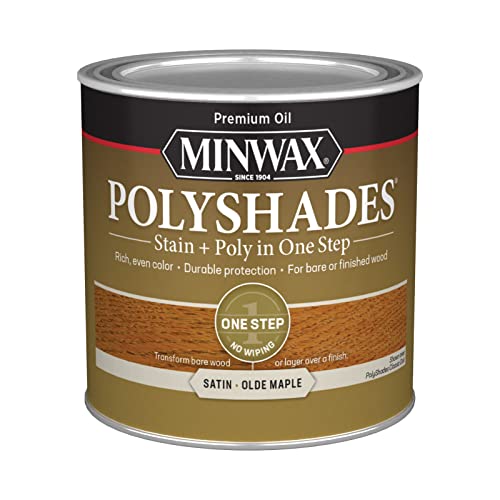
- ✓ Easy to use
- ✓ Enhances wood grain
- ✓ Quick drying time
- ✕ Slight odor during application
- ✕ Limited color options
| Color | Rich medium brown |
| Finish | Satin sheen polyurethane |
| Application Type | Oil-based wood stain and polyurethane in one |
| Suitable Surfaces | Bare or previously finished wood surfaces |
| Coverage | Typically covers approximately 250-300 sq ft per quart (based on standard application rates) |
| Drying Time | Touch dry in 2-4 hours, full cure in 7 days |
Ever try to refresh your maple kitchen cabinets and end up frustrated with uneven color or a finish that just doesn’t stick? I hit that wall myself until I discovered Minwax PolyShades.
One quick brush and I watched that dull, faded wood transform into a rich, medium brown with a satin sheen.
What really sold me is how easy it was to use. I didn’t need to strip off the old polyurethane or spend hours sanding.
Just a light sanding, wipe away the dust, and I was ready to brush on the stain and poly in one step. It’s perfect for someone who wants a quick update without all the mess and effort.
The color coverage is impressive. It enhances the natural grain of the maple beautifully, giving my cabinets a warm, inviting look.
Plus, the satin finish is just shiny enough to look polished without being too glossy. It really feels like a professional job in much less time.
Another big plus is that I could apply this over the existing finish. That saved me from stripping everything down, which can be a nightmare with older cabinets.
The product spreads evenly and dries quickly, so I was done faster than I expected.
Overall, if you’re after a hassle-free way to boost your maple cabinets’ look, this is a solid choice. It’s straightforward, effective, and gives a beautiful, durable finish that holds up well.
No more dull, outdated kitchen cabinets for me!
What Should You Know About Staining Maple Kitchen Cabinets?
When considering the best stain for maple kitchen cabinets, it’s important to understand several key factors that affect the staining process and final appearance.
- Stain Type: The choice between oil-based and water-based stains can significantly affect the finish and durability of maple cabinets.
- Color Selection: The natural light color of maple wood allows for a wide range of stain colors, but some shades may not achieve the desired look.
- Pre-Stain Conditioners: Using a pre-stain conditioner is crucial for maple as it helps to prevent uneven absorption of the stain.
- Application Technique: The method of applying the stain, whether by brush, cloth, or spray, can influence the final appearance and consistency of the finish.
- Curing Time: Allowing adequate time for the stain to cure is essential for achieving a durable and beautiful finish.
Stain Type: Oil-based stains penetrate deeper into the wood, providing a rich, warm finish, while water-based stains dry faster and are easier to clean up. However, oil-based stains can take longer to dry and emit stronger odors, making water-based options a popular choice for indoor projects like kitchen cabinets.
Color Selection: Maple wood has a fine grain that can sometimes lead to blotchiness with certain stain colors. Lighter stains tend to highlight the natural beauty of the wood, while darker stains can provide a dramatic contrast, but it’s important to test the stain on a scrap piece first to ensure the desired result is achieved.
Pre-Stain Conditioners: A pre-stain conditioner, which is a type of wood treatment, helps to even out the absorption of the stain, preventing splotches and ensuring a more uniform finish. This is especially important for maple, as its dense grain can lead to inconsistent staining results without proper preparation.
Application Technique: The application method can greatly affect the finish; for instance, using a brush might leave brush strokes, while a cloth can provide a smoother application. Spraying can offer the most even coverage, but it requires more skill and proper equipment to avoid overspray and achieve a consistent finish.
Curing Time: After applying the stain, it’s crucial to allow sufficient time for it to cure before applying a protective topcoat. This not only helps to enhance the durability of the finish but also allows for the true color to develop, as some stains may appear different when wet compared to when they are dry.
How Does Maple Wood Differ from Other Woods in Staining?
Maple wood is known for its unique properties that affect how it accepts stains compared to other woods.
- Density: Maple is a dense hardwood, which means it can be more resistant to absorbing stain than softer woods.
- Grain Pattern: The fine, tight grain of maple can affect how the stain is applied and the final appearance, often resulting in a more uniform look.
- Natural Color: Maple has a light, creamy color that can influence how dark or vibrant the stain appears once applied.
- Stain Types: Different types of stains, such as gel stains or water-based stains, may behave differently on maple than on woods like oak or pine.
Density: The high density of maple wood means that it tends to absorb stain less readily than softer woods like pine or poplar. This characteristic can lead to uneven staining if not properly prepped, and may require additional coats to achieve the desired color intensity.
Grain Pattern: Maple’s fine and even grain can give it a sleek and polished appearance when stained, but it also means that it may not show the same depth and variation in color that woods with more pronounced grain patterns, such as oak, will exhibit. This can be desirable for certain aesthetics but may limit options for achieving a rustic look.
Natural Color: The inherent light color of maple wood can affect the outcome of the stain, often resulting in a lighter appearance than expected compared to darker woods. This means that when choosing a stain for maple kitchen cabinets, selecting colors that contrast well with its natural hue is crucial to achieve the desired effect.
Stain Types: The choice of stain can significantly impact how maple wood looks after application; for instance, gel stains are often recommended for maple as they sit on top of the wood rather than soaking in, allowing for more control over the final color. Water-based stains can also be effective, but may require careful application to avoid streaks or unevenness due to maple’s dense structure.
What Are the Best Types of Stains for Maple Kitchen Cabinets?
The best types of stains for maple kitchen cabinets enhance their natural beauty while providing durability and protection.
- Oil-Based Stains: These stains penetrate deeply into the wood grain, providing rich color and a smooth finish. They tend to dry slower than water-based stains, allowing for better control over the application and blending.
- Water-Based Stains: Known for their quick drying time and low odor, water-based stains are ideal for those who prefer a faster project turnaround. While they may not penetrate as deeply as oil-based stains, they offer a wide range of color options and maintain the wood’s natural appearance.
- Gel Stains: Gel stains are thick and viscous, making them perfect for vertical surfaces like cabinets. They sit on top of the wood rather than absorbing deeply, which allows for more control over the color application, especially on blotchy woods like maple.
- Solid-Color Stains: These stains provide an opaque finish that completely covers the wood grain, offering a uniform look. They are ideal for those who want to hide imperfections or achieve a specific color without the natural wood patterns showing through.
- Translucent Stains: This type of stain offers a semi-transparent finish that enhances the natural grain of the maple while adding a subtle tint. They are perfect for those who want a hint of color without completely masking the beauty of the wood.
Which Oil-Based Stains Provide the Best Results?
The best oil-based stains for maple kitchen cabinets include a variety of options that enhance the wood’s natural beauty while providing durability.
- Minwax Penetrating Stain: This stain is known for its rich color selection and deep penetration into the wood grain, making it ideal for maple. It dries quickly and allows for easy application, ensuring a smooth finish that highlights the cabinet’s features.
- General Finishes Oil-Based Gel Stain: This gel stain is perfect for achieving a consistent color on maple, as it minimizes the risk of blotching commonly associated with this wood type. It offers a thicker consistency that allows for better control during application, giving a beautiful, rich finish that enhances the wood’s inherent patterns.
- Rust-Oleum Varathane Premium Stain: Known for its durability and fade resistance, this stain provides excellent coverage and a long-lasting finish. It is specifically designed to enhance the natural beauty of wood, making it a great choice for maple cabinets, as it brings out the warmth and depth of the wood grain.
- Behr Premium Oil-Based Stain: This stain offers a wide range of colors and is formulated for easy application. It penetrates deeply into the maple wood, providing a rich, uniform finish that is also resistant to wear and tear, making it suitable for high-traffic kitchen areas.
- Varathane Classic Oil-Based Stain: This option is favored for its fast-drying properties and the ability to achieve a deep, rich color on maple. It is designed to enhance the wood’s natural character while providing a protective finish that withstands everyday use.
What Advantages Do Water-Based Stains Offer?
Water-based stains offer several advantages that make them an excellent choice for finishing maple kitchen cabinets.
- Low Odor: Water-based stains produce significantly less odor compared to their solvent-based counterparts, making them more suitable for indoor applications.
- Quick Drying Time: These stains dry faster, allowing for quicker project completion and the ability to apply multiple coats within a shorter time frame.
- Easy Cleanup: Cleanup is straightforward with water-based stains, as they can be easily washed away with soap and water, eliminating the need for harsh solvents.
- Color Retention: Water-based stains tend to maintain their color better over time, resisting yellowing and fading, which is especially important for light-colored woods like maple.
- Environmentally Friendly: With lower levels of volatile organic compounds (VOCs), water-based stains are a more eco-friendly option, contributing to better indoor air quality.
Low odor makes water-based stains a favorable choice for indoor projects, as they do not leave a lingering smell that can be unpleasant during application. This is particularly beneficial in a kitchen environment where cooking odors are prevalent.
The quick drying time of water-based stains allows homeowners and professionals to finish their projects more efficiently. With the ability to apply several coats in one day, users can achieve their desired finish without prolonged waiting periods.
Cleanup with water-based stains is hassle-free; using just soap and water means you don’t have to invest in or handle harsh chemicals for cleaning brushes and tools. This ease of maintenance can be a significant benefit for DIY enthusiasts and professionals alike.
Water-based stains are known for their excellent color retention, which is essential for maple cabinets that are often chosen for their light, natural appearance. These stains minimize the risk of yellowing over time, ensuring that the cabinets maintain their original beauty.
Lastly, being environmentally friendly, water-based stains contribute to a healthier living environment by reducing the release of harmful VOCs. This consideration is increasingly important for those looking to create sustainable and safe home spaces.
What Factors Should Influence Your Choice of Stain?
When choosing the best stain for maple kitchen cabinets, several factors should be considered to achieve the desired appearance and durability.
- Wood Grain Visibility: The natural grain of maple is fine and uniform, so it’s essential to select a stain that enhances rather than obscures this characteristic. Transparent or semi-transparent stains can highlight the grain, while opaque stains may mask it.
- Color Preference: The color of the stain can greatly affect the overall look of the kitchen. Consider the existing color scheme and the ambiance you wish to create; lighter stains can give a fresh, airy feel, while darker stains can add warmth and richness.
- Durability and Protection: Kitchen cabinets are subject to wear and tear, so choosing a stain with a protective finish is crucial. Look for products that offer water and heat resistance, which can help maintain the beauty of the cabinets over time.
- Application Method: Different stains require different application techniques, which can affect the final result. Gel stains, for example, are easier to control on vertical surfaces like cabinets, while liquid stains may require more skill to apply evenly.
- Drying Time: Depending on the project timeline, the drying time of the stain can be an important factor. Fast-drying stains allow for quicker project completion, while slower-drying products may offer deeper penetration and richer colors.
- Environmental Factors: Consider the environment in which the cabinets will be used. If the kitchen has high humidity or frequent temperature changes, select a stain that is formulated to withstand these conditions to prevent peeling or fading.
- Finish Type: The final finish of the stain can alter the appearance and functionality of the cabinets. Satin, semi-gloss, or gloss finishes each have unique looks and levels of sheen, which can enhance or detract from the look of the stained maple.
How Do You Evaluate Color and Finish Options?
Evaluating color and finish options for maple kitchen cabinets involves considering various factors to achieve the desired aesthetic and durability.
- Stain Type: The type of stain significantly impacts the final appearance of maple cabinets. Oil-based stains penetrate deeply and provide a rich, warm finish, while water-based stains dry quickly and offer a wide range of colors with less odor.
- Color Selection: Choosing the right color is crucial as it should complement the overall kitchen design. Lighter stains can highlight the natural grain of maple, while darker stains can create a more sophisticated and dramatic look.
- Finish Options: The finish applied over the stain affects durability and sheen. Satin finishes offer a subtle glow and are less prone to showing fingerprints, whereas glossy finishes provide a reflective surface that enhances color vibrancy but may require more maintenance.
- Test Samples: Always test stain samples on a piece of maple wood before committing. This allows you to see how the stain interacts with the wood grain and how it looks in different lighting conditions.
- Durability Considerations: Consider how the stain and finish will hold up in a kitchen environment. Stains with higher durability ratings will resist wear and tear better, ensuring that the cabinets maintain their beauty over time.
- Maintenance Needs: Different finishes require varying levels of upkeep. A high-gloss finish might need regular polishing, while matte finishes can be easier to maintain but may show wear more quickly.
Why Is Grain Enhancement Important in Maple Cabinets?
Grain enhancement is important in maple cabinets because it accentuates the natural beauty and unique characteristics of the wood, resulting in a more visually appealing finish.
According to a study by the Forest Products Laboratory, finishes can significantly alter the appearance of wood grain, particularly in species like maple, which has a fine and uniform texture. The right stain can bring out the subtle variations in color and grain pattern that are often overlooked, allowing the natural beauty of the wood to shine through.
The underlying mechanism involves the way stains interact with the cellular structure of the wood. Maple has a dense and tight grain, which can absorb stains unevenly if not properly prepared. By using appropriate grain enhancement techniques, such as pre-staining conditioners or specific formulations designed for hardwoods, the wood’s surface becomes more receptive to stain application. This results in a more consistent color and enhances the depth of the grain, creating a rich, luminous finish that showcases the maple’s inherent qualities.
Moreover, enhancing the grain helps in concealing any minor imperfections or inconsistencies in the wood, which is particularly beneficial for kitchen cabinets that are subject to wear and tear. By focusing on grain enhancement, homeowners can ensure that their maple cabinets not only look stunning but also maintain their aesthetic appeal over time, making it a crucial step in the finishing process.
What Techniques Should You Use for Staining Maple Cabinets?
When staining maple cabinets, there are several techniques to ensure a beautiful finish that enhances the wood’s natural grain.
- Pre-stain Wood Conditioner: Applying a pre-stain wood conditioner is essential for maple, as it helps to even out the absorption of the stain, preventing blotchiness. Maple is a dense wood, and the conditioner prepares the surface to achieve a more uniform color when stained.
- Gel Stains: Gel stains are ideal for maple because they sit on the surface rather than soaking in too deeply, allowing for better control over the final color. This type of stain can enhance the wood grain while providing a richer and more consistent finish.
- Brush or Rag Application: Using a brush or a rag to apply the stain can affect the final appearance; rags often provide a smoother finish, while brushes can help work the stain into the grain more effectively. The choice between these methods may depend on the desired look and the cabinet’s shape.
- Multiple Coats: Applying multiple coats of stain can deepen the color and enhance the wood grain; however, it’s crucial to allow each coat to dry thoroughly before adding the next. This technique allows for customization of the final shade, catering to personal preference.
- Topcoat Finish: After staining, applying a protective topcoat, such as polyurethane or lacquer, is necessary to safeguard the cabinets against wear and moisture. This final layer not only enhances the durability of the cabinets but also adds a polished look to the stained surface.
How Can You Ensure an Even and Flawless Finish?
To achieve an even and flawless finish on maple kitchen cabinets, several key steps and considerations should be followed:
- Surface Preparation: Properly prepare the surface by sanding the cabinets with fine-grit sandpaper to remove any imperfections and create a smooth base. This step is crucial as it helps the stain adhere better and promotes an even application.
- Choosing the Right Stain: Select a high-quality stain specifically designed for maple wood, as it can enhance the wood’s natural beauty while providing an even color. The best stains for maple cabinets often come in gel or oil-based formulas that penetrate well and minimize blotching.
- Test Stain Samples: Before applying the stain to the entire cabinet, test samples on a small, inconspicuous area or a scrap piece of maple. This allows you to see how the wood reacts to the stain and ensures you achieve the desired color and finish.
- Application Technique: Use a brush or cloth to apply the stain evenly, working in the direction of the wood grain. Be mindful to apply in thin layers, as this helps avoid drips and ensures an even distribution of color.
- Wipe Off Excess Stain: After allowing the stain to sit for a few minutes, wipe off any excess with a clean cloth. This step is essential to prevent uneven spots and to achieve a consistent finish across all surfaces.
- Sealing the Finish: Once the stain has dried completely, apply a clear topcoat to protect the wood and enhance the finish. Choose a polyurethane or similar product that complements the stain and provides durability against wear and moisture.
What Common Mistakes Should You Avoid When Staining Maple Cabinets?
When staining maple cabinets, avoiding common mistakes is crucial for achieving the best results.
- Skipping the Sanding Process: Failing to properly sand the maple surface can lead to uneven stain absorption. Maple is a dense wood that requires thorough sanding to create a smooth surface, which allows the stain to adhere better and provides a more uniform finish.
- Using the Wrong Stain: Choosing a stain that is not suitable for maple can result in poor color results and an unattractive finish. Maple is known for its tight grain, and using a stain specifically designed for lighter woods or one that contains too much pigment can mask its natural beauty.
- Not Applying a Pre-Stain Conditioner: Maple can absorb stain unevenly, which may result in blotchiness. Applying a pre-stain wood conditioner helps to seal the wood fibers, leading to a more even stain application across the surface.
- Neglecting to Test Stain Colors: Failing to test the stain on a small, inconspicuous area can lead to unexpected results. Different lighting conditions and wood variations can greatly affect how the stain appears, so testing ensures you choose the right shade before committing to the entire project.
- Overloading the Brush or Rag: Applying too much stain at once can create drips and uneven color. It’s important to use a minimal amount of stain and work it into the wood to achieve a smooth and even finish.
- Skipping the Topcoat: Not applying a protective topcoat after staining can leave the cabinets vulnerable to scratches and moisture damage. A clear topcoat not only enhances the color but also provides durability and longevity to the finish.
How Can You Maintain the Beauty of Stained Maple Cabinets?
To maintain the beauty of stained maple cabinets, consider the following essential tips:
- Regular Cleaning: Regularly cleaning your cabinets with a gentle cleaner helps to prevent the buildup of dirt and grease.
- Avoid Harsh Chemicals: Using harsh chemicals can strip the finish off the cabinets, damaging the stain and the wood itself.
- Humidity Control: Maintaining optimal humidity levels in your kitchen can help prevent warping or cracking of the wood.
- Periodic Resealing: Resealing your cabinets every few years can refresh the protective layer and enhance the stain’s color.
- Use of Protective Coatings: Applying a protective coating specifically designed for stained wood can offer additional protection against scratches and stains.
Regular cleaning involves using a soft cloth and a mild soap solution to wipe down the surfaces, ensuring that any spills or stains are addressed promptly. This simple practice helps keep the cabinets looking fresh and vibrant.
Avoiding harsh chemicals is crucial since products like bleach or ammonia can cause discoloration and damage to the finish. Instead, opt for pH-balanced cleaners that are safe for wood surfaces to maintain the integrity of the stain.
Humidity control is important because fluctuations in moisture levels can lead to wood expansion or contraction, which may compromise the cabinetry’s structure. Using dehumidifiers or humidifiers as needed can help stabilize the environment.
Periodic resealing is recommended to protect the stained surface and maintain its sheen. Depending on usage and wear, resealing every three to five years can rejuvenate the wood and extend the life of the finish.
Using protective coatings, such as polyurethane or varnish, can significantly enhance durability. These coatings create a barrier that shields the wood from scratches, heat, and moisture, ensuring that the beauty of your stained maple cabinets lasts longer.
Related Post: