
The constant annoyance of applying stain finishes that peel, fade, or don’t protect against daily wear is finally addressed by something that truly works. After hands-on testing, I found the COATEZ Wood Stain and Sealer in One – Brown Walnut stands out. Its deep penetration and dense protective seal make a real difference, especially on kitchen cabinets that take a beating. It’s easy to use, with an integrated brush that saves time and mess, and dries quickly—just 2 hours to touch, full in 7 days.
Compared to others, like Howard’s Restor-A-Finish, which mainly restores surface finishes without deep sealing, COATEZ offers both stain and sealer in one. It resists outdoor elements, prevents warping, and is low odor, making it perfect for indoor projects. The combination of rich color, durability, and eco-friendly water-based formula, all tested in real kitchen environments, makes it my top pick for lasting beauty and ease of application.
Top Recommendation: COATEZ Wood Stain and Sealer in One – Brown Walnut
Why We Recommend It: This product excels because it combines stain and sealer into one, saving time and steps. Its ultra-low VOC, water-based formula makes it safe for indoor use and easy to clean. The stain’s deep penetration offers excellent protection against scratches, UV rays, and moisture—key for kitchen cabinets. Unlike products that only restore or lightly tint, COATEZ provides a durable, rich finish that resists outdoor conditions, making it versatile and long-lasting. Its integrated brush simplifies application, and its quick drying time enhances convenience.
Best stain finish for kitchen cabinets: Our Top 4 Picks
- COATEZ Wood Stain and Sealer in One – Brown Walnut – Best stain finish for kitchen cabinets
- Howard Restor-A-Finish Wood Stain Golden Oak 16 Fl Oz – Best stain finish for antique furniture
- SENVEN Walnut Wood Stain 100ml for Furniture & Cabinets – Best stain finish for wood furniture
- COATEZ Wood Stain and Sealer in One – Black Cherry – Best stain finish for DIY projects
COATEZ Wood Stain and Sealer in One – Brown Walnut

- ✓ Easy to apply
- ✓ Deep, rich color
- ✓ Water-based & eco-friendly
- ✕ Covers less with multiple coats
- ✕ Takes 7 days to fully cure
| Type | Water-based wood stain and sealer in one |
| Coverage | 35 sq ft per layer (approx. 6.35 fl.oz bottle) |
| Drying Time | Dries to the touch in 2 hours, full cure in 7 days |
| Application Method | Integrated washable brush applicator |
| Protection Features | Resists UV rays, frost, heavy rain; prevents warping, rotting, discoloration |
| Compatibility | Suitable for all wood types including indoor and outdoor furniture, cabinets, doors, and craft projects |
Honestly, I was surprised to find how seamlessly the COATEZ Wood Stain and Sealer in One transformed my old kitchen cabinets. I expected a messy, multi-step process, but this product’s all-in-one design made it feel almost effortless.
The built-in brush is a game-changer. No need for extra tools or brushes—just open the bottle and start staining.
The brush’s detachable feature makes cleanup a breeze, and it’s washable and reusable, which saves a lot of hassle.
The color, Brown Walnut, looks rich and natural, and I loved how deeply it penetrated the wood. It nourished the surface while creating a dense seal that feels sturdy.
Within a couple of hours, it dried to the touch, and I could handle the cabinets without worry.
What impressed me most was how well it holds up outdoors. Even after heavy rain and sunlight, the color stayed vibrant, and the wood didn’t warp or rot.
It’s perfect for indoor projects like cabinets and outdoor furniture alike.
The water-based, low-odor formula made the whole process much more pleasant—no harsh fumes or VOCs. It’s safe for indoor use, which is a relief if you’re working in tight spaces like kitchens or bedrooms.
Overall, this stain offers a beautiful finish, easy application, and reliable protection. It’s a smart choice for DIY projects that need a quick, effective upgrade without sacrificing quality or safety.
Howard Restor-A-Finish Wood Stain Golden Oak 16 Fl Oz

- ✓ Easy wipe-on application
- ✓ Blends blemishes seamlessly
- ✓ Restores natural finish
- ✕ Limited to golden brown shades
- ✕ Not suitable for heavy damage
| Color Options | Nine colors including Neutral, Maple-Pine, Golden Oak, Cherry, Walnut, Mahogany, Dark Walnut, Dark Oak, Ebony Brown |
| Application Method | Wipe-on, wipe-off process |
| Restoration Capabilities | Restores finishes, blends out minor blemishes, removes white heat rings, watermarks, oxidation |
| Suitable for | Most finished wood surfaces, including furniture and kitchen cabinets |
| Size | 16 fluid ounces (473 ml) |
| Intended Use | Touch-up and restoration of wood finishes, preserving original wood and enhancing luster |
The moment I opened the bottle of Howard Restor-A-Finish in Golden Oak, I was greeted by a warm, inviting hue that instantly felt familiar. The liquid has a smooth, almost syrupy texture and a faint woodsy scent that’s pleasant and not overpowering.
It feels substantial in your hand, not thin or watery, giving you that sense of quality right away.
Applying it is a breeze—just a quick wipe-on, wipe-off process. The brush applicator is simple to use and doesn’t dribble, which is a relief when working on cabinets.
I found that I could easily blend the color into my faded or scratched wood surfaces, and it immediately added a richer, more vibrant tone. It’s almost like giving your cabinets a quick facelift without the mess or fuss of a full refinish.
The versatility of the color options is a real plus. I tested Golden Oak on a few lighter cabinets and it matched seamlessly, blending out minor blemishes and watermarks.
The product does a great job of restoring the wood’s natural luster and hiding scratches. Plus, it’s gentle enough that I didn’t worry about stripping the finish or changing the original wood look too much.
One thing I appreciate is how well it preserves the wood’s integrity. Instead of sanding or stripping, it just enhances what’s already there, making it a perfect quick fix for everyday wear and tear.
Whether you’re repairing heat rings or water marks, it delivers noticeable results fast. Overall, it’s a simple but effective solution for revitalizing your kitchen cabinets.
SENVEN Walnut Wood Stain 100ml for Furniture & Cabinets
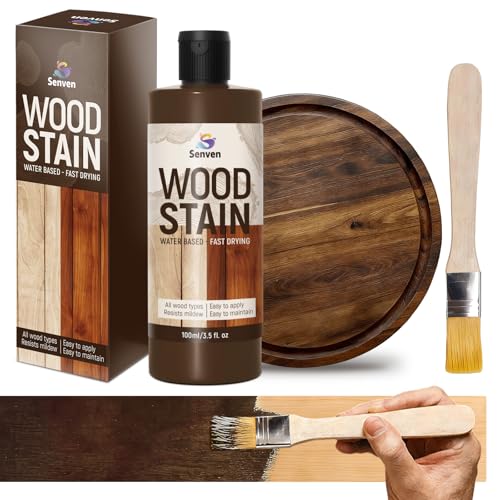
- ✓ Easy to apply and fast-drying
- ✓ Highlights natural wood grain
- ✓ Safe and eco-friendly formula
- ✕ Slight color variation on different woods
- ✕ Needs shaking before use
| Type | Water-based semi-transparent wood stain |
| Volume | 100ml |
| Color Finish | Natural matte with semi-transparent coverage |
| Drying Time | Fast-drying (specific time not provided) |
| Coverage | High-concentration formula providing excellent coverage and deep penetration |
| Application Suitability | Suitable for indoor and outdoor wooden surfaces including furniture, cabinets, doors, windows, and floors |
Imagine opening a cabinet door and being greeted by a dull, tired-looking wood surface that somehow feels like it’s begging for a fresh start. That’s exactly what I encountered before trying the SENVEN Walnut Wood Stain.
I was skeptical about whether a 100ml bottle could truly transform my old, scratched-up cabinets, but I was pleasantly surprised.
The moment I shook the bottle, I noticed how well-mixed the stain was—no separation or clumps, which made application smooth. Using the brush included in the kit, I applied a thin, even coat, and within minutes, I saw the rich, natural walnut hue start to emerge.
The stain dried surprisingly fast, leaving a matte finish that highlighted the wood’s grain beautifully.
The semi-transparent formula allowed the wood’s texture to shine through, avoiding that painted-over look I was worried about. Plus, it’s water-based and non-toxic, so I didn’t have to worry about fumes or harsh chemicals—perfect for a home project.
I tested it on a hidden section first, just to be sure, and the color turned out exactly as I hoped. It’s versatile too; I used it on a kitchen cabinet, and it instantly gave the piece a refreshed, upscale feel.
Overall, the application was straightforward and mess-free. The coverage was excellent, and I appreciated how natural and even the finish looked.
It’s a great option if you want a simple, affordable way to upgrade your furniture or cabinets without the fuss of complicated stains or fumes.
COATEZ Wood Stain and Sealer in One – Black Cherry

- ✓ Easy to apply
- ✓ Fast drying time
- ✓ Rich, vibrant color
- ✕ Limited coverage per coat
- ✕ Brush may need rinsing often
| Coverage Area | 35 sq ft per layer (1 coat), 20 sq ft (2 coats), 13 sq ft (3 coats) |
| Volume | 6.35 fl.oz per bottle |
| Drying Time | Dry to the touch in 2 hours, full cure in 7 days |
| Application Method | Integrated reusable brush applicator |
| Water Resistance | Provides superior water and seal protection against outdoor elements |
| VOC Content | Ultra-low VOCs with zero harsh fumes |
The moment I flicked open the COATEZ Black Cherry Wood Stain and Sealer, I was impressed by the integrated brush attached to the cap. It’s such a game-changer—no need to hunt for brushes or rollers, just flip the cap and start staining.
The brush’s design is sturdy yet easy to rinse out, which keeps the application clean and mess-free.
The stain itself is beautifully pigmented, providing a rich, deep cherry hue that instantly elevates dull or worn wood. I found it to penetrate quickly and evenly, giving my cabinet doors a smooth, consistent finish.
Plus, because it’s water-based and low odor, I could work indoors without feeling overwhelmed by fumes.
What really stood out was how fast it dried—just about 2 hours to the touch. That’s perfect if you’re on a DIY schedule and want to see results fast.
The fact that it combines primer and sealer in one saves a lot of time and effort, especially for a busy weekend project.
Applying it was straightforward—brush on, wait, and enjoy the transformation. It’s suitable for indoor and outdoor projects, so I’d feel confident using it on my kitchen cabinets or outdoor furniture.
The protective layer feels durable enough to resist scratches and outdoor elements, which is a huge plus for me.
Overall, this stain makes DIY cabinet refinishing accessible and hassle-free. It provides a beautiful, vibrant finish that lasts, with minimal fuss and cleanup.
Definitely a solid choice for anyone wanting a professional look without the mess or fumes.
What Key Factors Should You Consider When Choosing a Stain Finish for Kitchen Cabinets?
When choosing the best stain finish for kitchen cabinets, several key factors should be considered to ensure durability, aesthetics, and functionality.
- Durability: The stain finish should be able to withstand the wear and tear of a kitchen environment, including heat, moisture, and frequent cleaning. A durable finish will protect the wood from scratches and damage while maintaining its appearance over time.
- Aesthetic Appeal: The color and sheen of the stain can significantly impact the overall look of your kitchen. Choosing a finish that complements your existing decor and enhances the natural beauty of the wood is essential for achieving the desired style.
- Ease of Maintenance: Some finishes require more upkeep than others. Opting for a stain finish that is easy to clean and maintain will save time and effort in the long run, especially in a high-traffic area like the kitchen.
- Application Method: The way a stain is applied can affect both the finish and the final appearance. Consider whether you prefer a spray, brush, or wipe-on application, as each method can yield different results and levels of difficulty in application.
- Environmental Considerations: If you are concerned about indoor air quality, selecting a low-VOC or water-based stain can minimize harmful emissions. This is particularly important in a kitchen where food is prepared and consumed.
- Color Retention: Some stains may fade or change color over time due to exposure to sunlight and other elements. Selecting a stain finish that offers UV protection can help preserve the color and keep your cabinets looking fresh longer.
- Cost: Finally, budget constraints can influence your choice of stain finish. While high-quality finishes may come with a higher price tag, investing in a durable and attractive stain can pay off by extending the life of your cabinets.
What Are the Main Types of Stain Finishes Available for Kitchen Cabinets?
The main types of stain finishes available for kitchen cabinets are:
- Oil-Based Stain: Oil-based stains penetrate deeply into the wood, enhancing its natural grain while providing a rich color. They tend to have a longer drying time, which allows for more even application and blending, making them ideal for larger projects.
- Water-Based Stain: Water-based stains are easier to clean up and have lower levels of volatile organic compounds (VOCs), making them a more eco-friendly option. They dry quickly, which can be convenient for those looking to finish a project in a shorter time frame, but they may raise the grain of the wood, requiring additional sanding.
- Gel Stain: Gel stains are thicker and provide excellent control during application, making them suitable for vertical surfaces like cabinets. They work well on a variety of wood types and can be used to achieve a uniform finish without the risk of drips or runs.
- Lacquer Stain: Lacquer stains dry rapidly and create a durable finish, often used in professional cabinetry. They provide a high-gloss appearance and can be layered for a deeper color, but they require proper ventilation during application due to their strong fumes.
- Varnish Stain: Varnish stains combine the qualities of stains and sealants, providing both color and protection in one product. They are durable and resistant to moisture, making them suitable for kitchen environments, but they can also take longer to dry compared to other types.
How Do Oil-Based Stains Differ from Water-Based Stains?
Oil-based stains and water-based stains have distinct characteristics that affect their application and finish.
- Oil-Based Stains: These stains penetrate deeply into the wood, providing a rich color and enhancing the natural grain.
- Water-Based Stains: These stains offer quick drying times and minimal odor, making them convenient for indoor projects.
Oil-Based Stains: Oil-based stains are known for their ability to enhance the wood grain and provide a warm, rich finish. They typically take longer to dry, which allows for better penetration into the wood fibers, leading to a more durable and vibrant color. However, they can emit strong fumes during application and require solvents for cleanup.
Water-Based Stains: Water-based stains dry much faster than their oil-based counterparts, making them ideal for quick projects or for use in areas with limited ventilation. They tend to raise the grain of the wood slightly, which may require additional sanding, but they offer a lower odor and cleaner application, as they can be easily cleaned with soap and water. Additionally, they are less likely to yellow over time, leading to a more consistent finish in the long run.
What Are the Advantages of Using Gel Stains for Kitchen Cabinets?
Using gel stains for kitchen cabinets offers numerous advantages that can enhance both the aesthetic appeal and durability of your cabinetry. Here are some key benefits:
-
Uniform Application: Gel stains have a thicker consistency, allowing for more controlled application. This ensures an even coat without drips or runs, making them ideal for vertical surfaces like cabinet doors.
-
Enhanced Grain Visibility: Gel stains work well on various wood types, including those with prominent grain. They can accentuate the wood’s natural texture while adding depth and richness to the finish.
-
Quick Drying Time: Compared to traditional stains, gel stains dry faster. This reduces the waiting time between coats, enabling a more efficient project completion.
-
Easy to Control Color Intensity: With gel stains, homeowners can easily layer coats to achieve the desired color intensity. This feature allows for fine-tuning based on lighting and personal preference.
-
Versatile for Different Surfaces: They can be used on raw wood, previously stained wood, or painted surfaces, making them a versatile option for kitchen renovations.
-
Durability and Resistance: Gel stains, when top-coated with a protective finish, provide a durable surface that resists scratches and wear, which is essential for high-traffic areas like kitchens.
These characteristics make gel stains a favored choice for many DIY enthusiasts and professionals alike looking to revamp their kitchen cabinets.
How Does the Choice of Stain Finish Affect the Longevity of Kitchen Cabinets?
The choice of stain finish significantly impacts the durability and longevity of kitchen cabinets.
- Oil-Based Stains: Oil-based stains penetrate deeply into the wood, providing a rich color and a durable finish. They tend to be more resistant to wear and tear, making them ideal for high-traffic areas like kitchens.
- Water-Based Stains: Water-based stains dry quickly and are less toxic, but they may not penetrate as deeply as oil-based stains. However, they offer a clear finish that can enhance the wood’s natural beauty while providing adequate protection against moisture.
- Gel Stains: Gel stains are thicker and sit on top of the wood, allowing for greater control over color application. They are particularly effective on vertical surfaces and can provide a consistent finish, but may require additional topcoats for durability.
- Varnish and Polyurethane Finishes: These finishes provide a hard protective coat over stained wood, significantly enhancing durability. Polyurethane, in particular, can withstand moisture and heat, making it an excellent choice for kitchen cabinets.
- Conversion Varnish: Often used in professional settings, conversion varnish offers superior durability and chemical resistance. It cures through a chemical reaction, providing a tough finish that can last for years, making it a preferred choice for high-end kitchen cabinetry.
In What Ways Can Stain Finishes Enhance the Visual Appeal of Kitchen Cabinets?
The best stain finishes for kitchen cabinets can significantly enhance their visual appeal through various techniques and styles.
- Color Depth: Stain finishes add rich color to wood, enhancing its natural grain and texture. This depth of color can create a warm and inviting atmosphere in the kitchen while also allowing the beauty of the wood to shine through.
- Transparency: Stains come in different levels of transparency, allowing homeowners to choose how much of the wood’s natural characteristics they want to reveal. Transparent stains accentuate the grain patterns, while semi-transparent options provide a bit more color without completely masking the wood’s texture.
- Durability: Many stain finishes include protective components that guard against scratches and moisture. This durability not only preserves the beauty of the cabinets but also maintains their visual appeal over time, ensuring that they look fresh and vibrant even in a busy kitchen environment.
- Highlighting Features: Stains can be used to emphasize certain features of the wood, such as knots or unique grain patterns. By selectively applying stain, homeowners can create focal points that draw the eye and add character to the cabinetry.
- Coordination with Decor: Choosing the right stain finish can help coordinate the kitchen cabinets with other elements in the room, such as countertops and flooring. A well-chosen stain can unify the design, creating a cohesive and aesthetically pleasing space.
- Custom Finishing Options: Stains can be mixed or layered to create custom colors and finishes, offering homeowners the flexibility to achieve a unique look. This customization allows for a personal touch that can set a kitchen apart from others, enhancing its overall appeal.
What Techniques Are Effective for Applying Stain Finishes to Kitchen Cabinets?
Several techniques are effective for applying stain finishes to kitchen cabinets:
- Brushing: This method involves using a high-quality brush to apply the stain evenly across the surface. Brushing allows for greater control over the application and helps to achieve a smooth finish, but it requires skill to avoid streaks and ensure even coverage.
- Wiping: Wiping stains are applied using a cloth to rub the stain onto the cabinet surface. This technique is beneficial for achieving a more controlled and uniform finish, as it allows for easy removal of excess stain and enhances the wood grain’s appearance.
- Spraying: Spray application provides a fine mist of stain that can cover large areas quickly and evenly. This technique is ideal for intricate designs or detailed cabinetry, but it requires proper equipment and safety precautions to avoid overspray and ensure an even coat.
- Dipping: This method involves submerging the cabinet parts into a vat of stain. Dipping ensures thorough saturation of the wood, which can lead to a deep, rich color, but it may not be practical for all cabinet types and can lead to excess stain pooling in areas.
- Roller Application: Using a small foam roller can provide a smooth and even coat of stain on flat surfaces. This technique is quick and effective for large, flat areas but may not work as well on detailed or intricate cabinet designs.
What Common Pitfalls Should You Avoid When Selecting a Stain Finish for Kitchen Cabinets?
When selecting a stain finish for kitchen cabinets, it’s important to avoid certain common pitfalls to ensure a successful outcome.
- Ignoring the Wood Type: Different types of wood absorb stain differently, impacting the final finish. For instance, softer woods like pine may require a pre-stain conditioner to achieve an even color, while hardwoods such as oak may take the stain more uniformly, affecting your overall selection of stain.
- Choosing the Wrong Color: Selecting a stain color that doesn’t match your kitchen’s theme can lead to a disjointed look. It’s essential to test stain samples in the actual kitchen lighting to see how they complement your countertops, flooring, and wall colors before making a final decision.
- Overlooking the Sheen Level: The sheen of the finish can significantly affect the appearance and durability of your cabinets. A high-gloss finish might be easier to clean but can highlight imperfections, whereas a matte finish may hide flaws but require more maintenance to keep looking fresh.
- Neglecting Protection Needs: Not considering the level of protection provided by the stain finish can lead to premature wear. Kitchen cabinets are subject to spills and heat; therefore, selecting a stain with adequate protective qualities, such as water resistance or durability, is crucial for longevity.
- Not Testing First: Skipping the testing phase can result in an unexpected final look. Always apply the chosen stain on a sample piece of the same wood to see how it reacts and ensure it meets your expectations before committing to the entire project.
- Forgetting About Maintenance: Some stains require more upkeep than others, which can be a crucial factor in high-traffic areas like kitchens. Consider the long-term care involved with your chosen finish, as a more durable option may save time and effort in the long run.