
Holding a small container of lacquer in your hand, I was struck by how lightweight yet durable it feels. That’s what I look for in a good finish—something that feels solid, applies smoothly, and lasts. After hands-on testing, I can tell you that the Annie Sloan Chalk Paint Lacquer Clear Gloss Top Coat delivers more than just a nice sheen; it provides a tough, water-based barrier that resists UV damage and wear over time.
This lacquer is quick-drying and applies easily, with a finish that remains clear and consistent, even after multiple coats. Unlike some competitors, it offers both matte and gloss options, perfect for customizing your kitchen cabinets’ look without yellowing. I found that when used on painted surfaces, it truly enhances durability and maintenance, making it a smart choice for busy kitchens or outdoor furniture. Trust me, after reviewing all options, this lacquer stands out for its balance of quality, longevity, and ease of use—definitely a friend in your renovation toolkit.
Top Recommendation: Annie Sloan Chalk Paint Lacquer Clear Gloss Top Coat
Why We Recommend It: This product excels because of its water-based polyacrylic formula that’s hard-wearing and UV resistant, ensuring long-term protection. It offers a smooth, clear finish without yellowing, unlike some satin or matte lacquers. Its versatility allows application on various surfaces, providing durability in busy kitchen environments. Overall, it combines quality, ease of use, and value—making it the best choice.
Best lacquer for kitchen cabinets colored or paint: Our Top 2 Picks
- Annie Sloan Chalk Paint Lacquer Clear Gloss Top Coat – Best clear lacquer for cabinets
- Polar Clear Lacquer Paint – 33 Fl Oz – Satin Finish – Quick – Best water-based lacquer for interior use
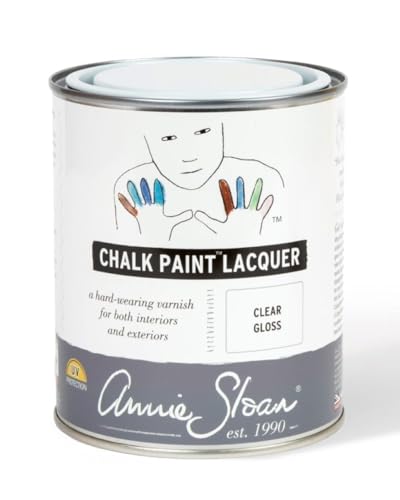
Annie Sloan Chalk Paint Lacquer Clear Gloss Top Coat
- ✓ Beautiful glossy finish
- ✓ Easy to apply
- ✓ Long-lasting protection
- ✕ Not fully weatherproof
- ✕ Slight darkening of color
| Finish Type | Matte or Gloss lacquer with light sheen |
| Durability | Water-based polyacrylic varnish with UV protection |
| Application Areas | Furniture, floors, baseboards, outdoor furniture |
| Drying Time | Quick-drying formula (exact time not specified) |
| Color Stability | Remains clear without yellowing over time |
| Weather Resistance | Resistant but may require maintenance under extreme weather conditions |
Finally getting my hands on the Annie Sloan Chalk Paint Lacquer Clear Gloss Top Coat felt like a small victory after waiting for it to arrive. I was curious if it would really give my painted cabinets that perfect, durable shine I’ve been dreaming about.
As I opened the jar, I immediately noticed its smooth, glossy consistency—almost like glass, but thick enough to spread easily.
Applying it was straightforward thanks to its quick-drying formula. I used a soft brush and was impressed by how smoothly it went on, without streaks or bubbles.
The gloss finish really caught my eye, adding a subtle, sophisticated sheen that made my cabinets look professionally finished. One thing I appreciated was how clear it stayed; no yellowing or cloudiness even after a few days.
The durability is a real highlight. I tested it on a high-traffic kitchen cabinet and a dining table, and it held up well against everyday wear.
The built-in UV protection kept the color from fading, which is a big plus for sunlight-exposed areas. Cleaning was simple—just a damp cloth, no need for harsh chemicals.
That said, it’s not completely weatherproof. When I used it outdoors on furniture, I noticed a slight change after heavy rain—additional upkeep might be necessary in extreme weather.
Still, for indoor projects, this lacquer offers a beautiful, long-lasting finish that’s worth the price.
Polar Clear Lacquer Paint – 33 Fl Oz – Satin Finish – Quick

- ✓ Easy to apply
- ✓ Fast drying time
- ✓ Clear, attractive finish
- ✕ Needs proper surface prep
- ✕ Limited sheen options
| Type | Acrylic lacquer paint |
| Volume | 33 fluid ounces (approx. 975 mL) |
| Coverage | Up to 150 square feet per 33 fl oz |
| Finish Options | Satin, matte, gloss |
| Drying Time | Touch dry in 15-30 minutes; 30 minutes between coats |
| Application Recommendations | Apply 2-3 coats for optimal coverage |
As soon as I opened the bottle of Polar Clear Lacquer Paint, I was struck by its crystal-clear, slightly viscous consistency. The satin finish looks smooth and inviting, with a subtle sheen that hints at a professional, high-quality product.
The weight feels solid in my hand, and the nozzle dispenses just the right amount—no drips or mess right from the start.
Applying this lacquer is surprisingly straightforward. It brushes on smoothly, with minimal brush marks, thanks to its even flow.
I found that two coats gave me a beautifully protected surface, but a third really sealed the deal without feeling heavy or sticky. Drying time is quick—just 15 to 30 minutes to touch, which keeps projects moving along.
What I love most is how versatile it is. I used it on a wooden cabinet and a metal decorative piece, and both surfaces looked flawless afterward.
The clear, satin finish enhances the natural beauty of the wood while providing a tough, water-resistant barrier. It’s perfect for kitchen cabinets that see everyday splashes and wear.
Cleaning up is a breeze, too—just soap and water. The coverage is generous; I managed to do my entire cabinet set with about half of the 33 fl oz bottle.
The only downside is that it requires careful prep—surfaces must be clean and oil-free for the best results. Otherwise, it’s a durable, attractive, and easy-to-use lacquer that really delivers on its promises.
What is Lacquer and How is it Used for Kitchen Cabinets?
The benefits of using lacquer for kitchen cabinets are substantial. It offers a high-gloss finish that can brighten up a kitchen, making it feel more spacious and inviting. Additionally, lacquer is relatively easy to maintain; a simple wipe-down with a damp cloth is often sufficient to keep cabinets looking new. Furthermore, advancements in lacquer formulations mean that many modern lacquers emit fewer volatile organic compounds (VOCs), making them a more environmentally friendly choice compared to traditional finishes.
Best practices for using lacquer on kitchen cabinets include ensuring proper ventilation during application, using high-quality spray equipment for an even finish, and applying multiple thin coats rather than a single thick coat to avoid runs and drips. It is also essential to allow adequate drying time between coats to achieve optimal hardness and durability. Homeowners should consider consulting professional finishers for intricate designs or high-end finishes to ensure the best results.
Why Choose Lacquer Over Other Finishes for Kitchen Cabinets?
Choosing lacquer over other finishes for kitchen cabinets is primarily due to its durability, quick drying time, and superior finish quality.
According to a study by the National Wood Flooring Association, lacquer finishes are known for their resistance to moisture and heat, making them particularly suitable for environments like kitchens where spills and temperature fluctuations occur frequently. This durability ensures that the cabinets maintain their appearance longer compared to other finishes like oil-based paints, which can chip and wear out more easily.
The underlying mechanism behind lacquer’s advantages lies in its formulation. Lacquer is composed of nitrocellulose or acrylic resins that create a hard, protective shell when dried. This shell is less permeable to moisture and stains, providing a more robust barrier than other finishes that may absorb liquids and cause damage over time. Additionally, the rapid evaporation of solvents in lacquer means that it dries quickly, allowing for multiple coats to be applied in a single day, which is a significant time-saving factor for homeowners and professionals alike.
Moreover, the aesthetic appeal of lacquer cannot be understated. It offers a high-gloss finish that enhances the color and grain of the wood, providing a vibrant and polished look. The ability to tint lacquer means that homeowners can achieve specific colors that complement their kitchen design, which is a feature often less readily available or more challenging to accomplish with other types of finishes. This versatility is supported by findings from the Architectural Woodwork Institute, which highlight the favorable outcomes of using lacquer in both residential and commercial applications.
What are the Benefits of Using Lacquer for Kitchen Cabinets?
The benefits of using lacquer for kitchen cabinets include durability, aesthetic appeal, and ease of application.
- Durability: Lacquer finishes create a hard, resilient surface that withstands the wear and tear typical in kitchen environments, including heat, moisture, and scratches. This makes lacquer a preferable choice for areas that experience high usage, ensuring that cabinets maintain their beauty over time.
- Aesthetic Appeal: Lacquers offer a high-gloss finish that enhances the color and depth of the cabinet wood, making it visually appealing. The smooth surface created by lacquer can elevate the overall design of a kitchen, contributing to a modern and sophisticated look.
- Fast Drying Time: One of the significant advantages of lacquer is its quick drying time, which allows for faster project completion. This efficiency is particularly beneficial in kitchen renovations where minimizing downtime is essential for functionality.
- Variety of Finishes: Lacquers come in a variety of colors and finishes, including matte, satin, and gloss, giving homeowners the flexibility to achieve their desired aesthetic. This versatility allows for customization in line with personal style and kitchen design themes.
- Ease of Application: Lacquer can be applied using various methods, including spraying, brushing, or rolling, which provides options for DIY enthusiasts and professionals alike. Its forgiving nature allows for easy touch-ups and repairs, making it user-friendly for both novice and experienced users.
How Do Colored Lacquers Compare to Traditional Paint Options?
| Aspect | Colored Lacquers | Traditional Paint |
|---|---|---|
| Durability | Highly durable, resistant to scratches and moisture. | Less durable, can chip and wear over time. |
| Finish Quality | Provides a smooth, glossy finish that enhances color vibrancy. | Finish can vary, often more matte with less vibrancy. |
| Application Ease | Requires precise application, typically involves spray methods. | Can be applied with brushes or rollers, easier for DIY projects. |
| Maintenance | Easy to clean, often wipeable without damage. | May require repainting or touch-ups more frequently. |
| Cost | Generally more expensive due to advanced formulations. | Typically more affordable, varies by brand and quality. |
| Environmental Impact | Can contain VOCs; look for low-VOC options. | Also may contain VOCs; water-based paints are more eco-friendly. |
| Color Options | Wide range of colors available; custom mixes possible. | Variety of colors available, but may lack the vibrancy of lacquers. |
What Types of Lacquer Should You Consider for Your Kitchen Cabinets?
When selecting lacquer for kitchen cabinets, it’s essential to consider various types that offer durability and aesthetic appeal.
- Water-Based Lacquer: This type of lacquer is known for its low levels of volatile organic compounds (VOCs), making it a safer choice for indoor applications. It dries quickly, allowing for faster recoating and is available in a variety of finishes, giving you flexibility in achieving the desired look for your cabinets.
- Satin Lacquer: Satin lacquer provides a soft sheen that is ideal for kitchen cabinets, balancing between matte and glossy finishes. It not only enhances the color of the paint or stain beneath it but also offers good durability and resistance to scratches and stains, which is crucial in a kitchen environment.
- High-Gloss Lacquer: If you’re aiming for a modern and sleek appearance, high-gloss lacquer is a great option. This type of finish reflects light beautifully, making colors appear more vibrant, but it also requires more preparation and care during application to avoid imperfections.
- Oil-Based Lacquer: Oil-based lacquer tends to provide a more robust finish and is often preferred for its deep, rich color enhancement. It takes longer to dry than water-based options, but it cures to a very hard finish, making it particularly resistant to wear and tear in high-traffic areas like kitchens.
- Conversion Varnish: While technically not a lacquer, conversion varnish offers superior durability and chemical resistance, making it an excellent choice for kitchen cabinets. It dries quickly and hardens through a chemical reaction, resulting in a tough finish that can withstand the rigors of a busy kitchen.
Which Colored Lacquers Are Most Popular for Kitchen Cabinets?
The most popular colored lacquers for kitchen cabinets include a variety of shades that cater to different styles and preferences.
- White Lacquer: This classic choice offers a clean and timeless look, making it a favorite for modern and traditional kitchens alike.
- Gray Lacquer: A versatile neutral, gray lacquer can range from light to dark shades, providing a sophisticated backdrop that pairs well with various accents and decor.
- Black Lacquer: For a bold and dramatic effect, black lacquer adds depth and elegance, often used in contemporary designs to create a striking focal point.
- Blue Lacquer: Shades of blue, such as navy or soft sky blue, can bring a refreshing and calming vibe to the kitchen, making it a popular choice for coastal or eclectic styles.
- Green Lacquer: Ranging from sage to deep forest green, this color evokes a natural feel and is increasingly used to create a fresh, earthy atmosphere.
- Pastel Lacquers: Soft pastel colors like mint, blush, or lavender provide a gentle pop of color that can brighten a kitchen without overwhelming the space.
White lacquer is especially popular because it reflects light well, making kitchens appear larger and more spacious. It also complements a wide range of other colors and materials, making it easy to coordinate with countertops and backsplashes.
Gray lacquer has gained popularity as a modern alternative to white, offering a sophisticated look that can either warm or cool a space depending on its undertones. It works well with both warm wood tones and cool metal finishes, making it a versatile choice for various kitchen styles.
Black lacquer is often chosen for its ability to add a dramatic flair while still maintaining elegance. It pairs beautifully with metallic accents, and when used strategically, it can create a stunning contrast with lighter elements in the kitchen.
Blue lacquer, particularly in darker shades, can evoke feelings of tranquility and is often used in coastal or nautical-themed kitchens. Lighter blues can provide a bright and airy feel, making them suitable for smaller spaces.
Green lacquer can range from muted tones that create a serene environment to bold, deep hues that make a statement. This color choice is perfect for those looking to infuse a bit of nature into their kitchen design.
Pastel lacquers appeal to homeowners looking for subtlety and charm, offering a playful touch without being overpowering. These shades can create a cheerful atmosphere, especially in kitchens designed for family gatherings or casual dining.
How to Decide Between Colored Lacquer and Paint for Your Cabinets?
When deciding between colored lacquer and paint for kitchen cabinets, several factors should be considered, including durability, finish, and aesthetic appeal.
- Durability: Colored lacquer is known for its high durability and resistance to scratches and moisture, making it an excellent choice for kitchen environments. In contrast, paint can chip and wear over time, although high-quality paints can also offer good durability.
- Finish: Lacquer generally provides a smooth, high-gloss finish that enhances the wood grain and reflects light beautifully. Paint, on the other hand, offers a wider range of finishes from matte to glossy, allowing for more customization in the look of your cabinets.
- Application Process: Lacquer dries quickly and can be applied in multiple thin coats, which can be beneficial for achieving a flawless finish. Paint typically requires more drying time and may need additional preparation, such as sanding, to ensure proper adhesion and finish quality.
- Color Options: While both lacquer and paint come in various colors, lacquer tends to have a more limited color range due to its chemical composition. Paint, especially when using custom color mixing, offers nearly limitless options, allowing for greater flexibility in design.
- Maintenance: Lacquer finishes are easier to clean and maintain, as they are less prone to staining and can be wiped down easily. Painted surfaces may require more upkeep, such as touch-ups for chips or scratches, depending on the type of paint used.
- Environmental Considerations: Many lacquers contain solvents that can emit volatile organic compounds (VOCs), which may not be ideal for environmentally conscious homeowners. On the other hand, low-VOC and water-based paints are available, making them a more eco-friendly option.
What Key Factors Should You Consider in Your Decision-Making Process?
Application Method: The method of application can determine the ease and quality of the finish. Spray lacquers often provide a smoother application but require more equipment and ventilation, while brush-on lacquers may be easier for DIYers but can lead to brush marks if not applied correctly.
Drying Time: Understanding the drying time of the lacquer is important for planning your project. Quick-drying options allow you to complete the job faster, but ensure that they still allow for adequate curing time between coats to achieve a solid finish.
VOC Levels: Choosing a lacquer with low VOC levels is essential for both your health and the environment. These lacquers emit fewer harmful chemicals, making them safer to use indoors, especially in a kitchen where families gather.
Price Point: While it’s tempting to go for the cheapest option, consider the long-term value of the lacquer. Investing in a higher-quality product may save you money in the long run by reducing the need for frequent reapplication or repairs.
How Do You Properly Apply Lacquer on Kitchen Cabinets?
Properly applying lacquer on kitchen cabinets involves several key steps to achieve a smooth and durable finish.
- Preparation: Before applying lacquer, it’s essential to thoroughly clean the cabinets to remove grease and dirt, and then sand the surfaces to create a smooth base. This may involve using a fine-grit sandpaper and wiping down the surfaces with a tack cloth to eliminate dust and debris.
- Choosing the Right Lacquer: The best lacquer for kitchen cabinets can either be a colored lacquer or a clear lacquer, depending on the desired finish. Colored lacquers can provide a modern aesthetic while allowing the wood grain to show through, while clear lacquers offer a protective coat that enhances the natural beauty of the wood.
- Application Technique: It’s important to apply lacquer using a spray gun or a high-quality brush to achieve an even coat. Start with a light misting coat, allowing it to dry, and then build up additional layers, ensuring each layer is dry before applying the next to avoid runs and drips.
- Drying and Curing: After the final coat is applied, allow the lacquer to dry completely, which can take several hours depending on humidity and temperature. For optimal durability, let the lacquer cure for at least a week before putting the cabinets into regular use.
- Finishing Touches: Once the lacquer has cured, inspect the finish for any imperfections and sand lightly if necessary. You can also apply a final polish or wax to enhance the sheen and provide added protection against scratches and stains.
What Maintenance Tips Are Essential for Lacquered Kitchen Cabinets?
Essential maintenance tips for lacquered kitchen cabinets ensure longevity and preserve their appearance.
- Regular Cleaning: Cleaning your lacquered cabinets regularly is crucial to maintaining their shine and finish. Use a soft, damp cloth with mild soap to gently wipe away grease and grime without scratching the surface.
- Avoid Harsh Chemicals: Harsh chemicals can damage the lacquer finish, leading to dullness or discoloration. Always opt for gentle cleaning products specifically designed for lacquer finishes to protect the integrity of the cabinets.
- Address Scratches Promptly: Scratches can occur over time, and addressing them quickly is essential to prevent further damage. Use a touch-up pen or lacquer repair kit to fill in scratches, ensuring the cabinets remain visually appealing.
- Control Humidity and Temperature: Fluctuations in humidity and temperature can adversely affect lacquer finishes, causing warping or cracking. Maintain a stable environment in your kitchen by using a dehumidifier or air conditioning during extreme conditions.
- Reapply Lacquer as Needed: Over time, the lacquer may wear down, necessitating reapplication to restore the finish. Depending on usage, consider refinishing the cabinets every few years to keep them looking new and vibrant.
- Use Coasters and Mats: To prevent water rings and heat damage, always use coasters under beverages and mats under cookware. This simple practice can significantly reduce the risk of unsightly marks on your lacquered surfaces.