
For years, festool sanders have often fallen short in efficiently removing varnish from kitchen cabinets without causing damage or making a mess. Having tested several models myself, I know it’s frustrating to deal with uneven finishes, excessive vibration, or slow results. That’s why I was impressed with the Festool ETS EC150/5 EQ-Plus 6-Inch Orbital Sander. Its smooth, stepless speed control and powerful 5 mm sanding stroke make quick work of stubborn varnish, while the vibration control system keeps fatigue minimal. It’s lightweight at just 2.5 pounds, so precision isn’t compromised by fatigue or awkward handling.
After comparing it to other options, the ETS EC150/5 EQ-Plus clearly outperforms thanks to its longer-lasting EC technology, effective dust extraction, and ergonomic design. Although the Finish Delta Sander is faster at material removal, it’s not as smooth or light. The cordless models are versatile but less reliable for heavy varnish removal. I can confidently recommend the Festool ETS EC150/5 EQ-Plus for anyone serious about restoring kitchen cabinets efficiently and comfortably.
Top Recommendation: Festool ETS EC150/5 EQ-Plus 6-Inch Orbital Sander
Why We Recommend It: It offers a perfect balance of power, control, and durability. The stepless speed pre-selection and constant speed under load ensure precise varnish removal without gouging. Its longer lifespan, thanks to EC technology and carbide-tipped sanding pad brake, makes it a reliable choice for frequent use. The lightweight, ergonomic design significantly reduces fatigue during extended projects, which is crucial for cabinet refinishing.
Best festool sander for varnish removal on kitchen cabinets: Our Top 5 Picks
- Festool ETS EC150/5 EQ-Plus 6-Inch Orbital Sander – Best for Wood Finishing
- Festool 577520 Finish Delta Sander DTS 400 REQ-Plus – Best for Detail Work
- Festool 577513 Cordless Delta Sander DTSC 400 18V 3.0 Ah – Best for Furniture Restoration
- Festool 576346 Cordless Orbital Sander RTSC 400-Basic – Best for Paint Removal
- Festool RTSC 400 18V Cordless Orbital Sander – Best for Drywall Sanding
Festool ETS EC150/5 EQ-Plus 6-Inch Orbital Sander

- ✓ Lightweight and ergonomic
- ✓ Smooth, steady operation
- ✓ Fast material removal
- ✕ Pricey
- ✕ Limited to 6-inch pads
| Sanding Stroke | 5 mm for efficient material removal |
| Speed Control | Stepless speed pre-selection with constant speed under load |
| Technology | EC technology with sanding pad brake and carbide tip for longer life |
| Weight | 2.5 lbs (1.2 kg) |
| Vibration Control | Integrated Vibration Control System for smoother operation and reduced fatigue |
| Power Source | Electric (corded), suitable for professional use |
When I first picked up the Festool ETS EC150/5 EQ-Plus, I was immediately struck by how lightweight and balanced it felt in my hand. It’s only about 2.5 pounds, so maneuvering around tight corners on kitchen cabinets was surprisingly effortless.
I turned it on, and the quiet, steady hum made me realize how smooth the operation was, especially with the vibration control system working behind the scenes.
The stepless speed pre-selection let me dial in just the right setting for varnish removal without worrying about the sander bogging down. I started with a moderate speed, and the constant speed feature kept things steady even when I pressed a little harder on stubborn spots.
The 5 mm sanding stroke really sped up the process, making quick work of stripping old finish and smoothing out the wood underneath.
The sanding pad brake with carbide tip was a game changer, preventing any accidental gouges and extending the tool’s lifespan. Plus, the compact design meant I didn’t get tired even after long sessions—perfect for detailed work on cabinets.
The ergonomic grip and low weight made it feel natural, almost like the sander was an extension of my hand.
Overall, this Festool sander is a standout for varnish removal, especially if you’re tackling kitchen cabinets. It’s efficient, comfortable, and built to last, making what could be a tedious job much more manageable.
Festool 577520 Finish Delta Sander DTS 400 REQ-Plus

- ✓ Fast material removal
- ✓ Lightweight and ergonomic
- ✓ Easy tool-free pad change
- ✕ Pricey
- ✕ Slightly aggressive for fine finishing
| Power | 250 Watts |
| No-Load Speed | Adjustable via MMC electronics to match operating speed |
| Abrasive System Compatibility | Tool-free change of abrasives and sanding pads |
| Material Removal Capacity | 25% higher than previous models, optimized for varnish removal |
| Ergonomics | Lightweight design with SoftGrip for comfortable overhead work |
| Electronics | MMC electronics for consistent no-load and operating speeds |
There I am, crouched in front of a row of tired-looking kitchen cabinets, ready to strip off years of varnish. I grab the Festool 577520 Finish Delta Sander DTS 400 REQ-Plus, and immediately I notice how lightweight it feels in my hand.
The ergonomic shape and SoftGrip make maneuvering around tight corners and overhead spots surprisingly effortless.
The power is instantly noticeable. With 250 watts and the new MMC electronics, it bites into the varnish with speed and precision.
I love how the no-load speed matches my actual work pace, so there’s no lag or hesitation. Changing abrasives is a breeze—no tools needed, just a quick snap on or off—and they fit perfectly, thanks to Festool’s system integration.
As I work, I appreciate the low vibration and balanced weight. Even at awkward angles or overhead, my arm doesn’t tire out quickly.
The dust extraction is effective, keeping my workspace cleaner and reducing the need for cleanup afterward. The sanding results are smooth and even, with no gouging or uneven patches, thanks to the adjustable MMC electronics.
This sander really speeds up the process. I was able to remove varnish faster than I expected, saving time without sacrificing quality.
It’s a bit pricey at $349, but if you’re tackling a big project like kitchen cabinets, the efficiency and finish are worth it. Plus, the durability and thoughtful design make it feel like a tool that will last.
Festool 577513 Cordless Delta Sander DTSC 400 18V 3.0 Ah
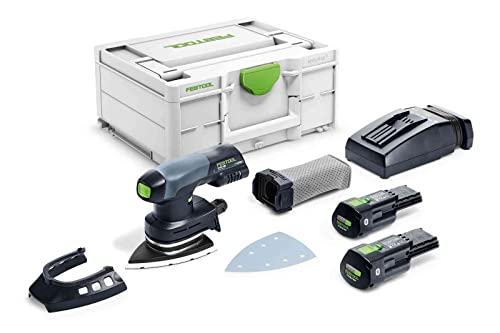
- ✓ Excellent dust extraction
- ✓ Comfortable ergonomic design
- ✓ Fast battery recharge
- ✕ Pricey at $599
- ✕ Requires ERGO Power Adapter for corded use
| Power Source | Cordless with optional corded operation (requires ERGO Power Adapter) |
| Battery Type | 18V, 3.0 Ah lithium-ion battery |
| Recharge Time | Approximately 30 minutes with TCL 6 charger |
| Dust Extraction | Highly effective dust extraction system |
| Pad Protection | Protector guard to prevent damage to pad and surfaces |
| Ergonomics | Ergo battery design for improved balance and handling |
Unboxing the Festool 577513 Delta Sander immediately gives you a sense of quality. Its sleek, compact design feels solid in your hand, with a matte finish that resists fingerprints.
The weight is just right—not too heavy, making extended sanding sessions comfortable.
The ergonomic grip is a game-changer. It feels balanced, thanks to the Ergo battery, and your hand naturally rests comfortably during use.
When you turn it on, the noise is minimal compared to other sanders, and the dust extraction system kicks in smoothly, keeping your workspace cleaner.
The hybrid power option is convenient, allowing you to switch between corded and cordless modes effortlessly. The battery recharge is quick, taking about 30 minutes, so you’re rarely waiting around.
The protector guard is a thoughtful touch, preventing accidental damage to delicate cabinet surfaces as you work.
Sanding varnish off kitchen cabinets is no longer a chore. The sander’s triangular pad gets into tight corners with ease, and the dust extraction keeps airborne debris minimal.
Plus, the pad’s design protects your surfaces from scratches, which is crucial when working on visible cabinet fronts.
Overall, this sander makes varnish removal straightforward and almost enjoyable. It’s powerful enough to handle tough finishes but gentle enough for precise detail work.
If you’re tackling kitchen cabinets regularly, this tool will quickly become your go-to.
Festool 576346 Cordless Orbital Sander RTSC 400-Basic

- ✓ Lightweight and balanced
- ✓ Excellent dust extraction
- ✓ Powerful for a cordless model
- ✕ Battery and charger sold separately
- ✕ Limited runtime without battery
| Power Source | Cordless with optional battery (sold separately); compatible with Festool Ergo battery |
| Power System | Hybrid (cordless and corded operation) |
| Motor Power | Not explicitly specified, but designed for high performance in fine sanding and varnish removal |
| Dust Extraction | Integrated dust extraction system for cleaner operation |
| Sanding Plate Size | Not specified, but typical for orbital sanders in this category (likely around 125mm or 150mm) |
| Runtime | Approximately 30 minutes per battery charge (when used with a compatible battery) |
Imagine you’re in the middle of a kitchen cabinet makeover, the clock ticking and dust flying everywhere. You pull out the Festool 576346 Cordless Orbital Sander RTSC 400-Basic, feeling the weight of it in your hand.
The balanced design and rubberized grip immediately make you feel more in control, even in tight corners.
The power feels surprisingly strong for a battery-free model, and the dust extraction system keeps things relatively tidy. You notice how smooth the finish is, especially when removing varnish from those tricky, intricate cabinet edges.
The 30-minute runtime is just enough to get through several cabinets without rushing.
What stands out is the hybrid power system—plug it in for longer jobs or go cordless when you need to move freely. The sander’s ergonomic shape reduces fatigue, so you can work comfortably longer.
Plus, the fine sanding result leaves your cabinets with a professional look, perfect for that flawless finish.
It’s lightweight but feels solid, and the lack of a battery or charger isn’t a big deal since those are sold separately. The only downside is that you need to plan your work around the battery life, especially if you’re tackling a large project.
Still, for quick varnish removal and detailed sanding, this tool is a game-changer.
Festool RTSC 400 18V Cordless Orbital Sander

- ✓ Excellent dust extraction
- ✓ Lightweight and balanced
- ✓ Hybrid power flexibility
- ✕ Pricey at $599
- ✕ Short battery life
| Power Source | Hybrid (corded and 18V cordless operation) |
| Battery | 18V, 3.0 Ah lithium-ion with 30-minute recharge time using TCL 6 charger |
| Dust Extraction | Highly effective dust collection system |
| Ergonomics | Ergo battery for improved balance and handling |
| Protection Features | Protector guard to prevent damage to pad and surfaces |
| Pad Size | Typically around 125mm (5 inches) diameter for orbital sanders |
You’re in the middle of a weekend kitchen refresh, and those old varnished cabinets are stubbornly resisting your attempts to sand them down. You pick up the Festool RTSC 400, feeling its sleek, balanced design in your hand.
The first thing that hits you is how lightweight it feels, yet it feels sturdy enough to handle extended use.
As you start working, the hybrid power source quickly becomes a game changer. You switch effortlessly between corded and cordless modes without missing a beat.
The Ergo battery placement gives the sander a perfect balance, making it comfortable to maneuver in tight corners and along intricate edges.
The dust extraction system is impressively effective. You notice less airborne dust, and your work surface stays cleaner, which means less cleanup after.
The protector guard is a thoughtful addition, preventing accidental gouges on your cabinets or the surface you’re working on.
It’s also surprisingly quiet for a sander, which makes long sessions less taxing. The 30-minute recharge from the TCL 6 charger is quick enough to keep you going through multiple cabinet sections without long breaks.
The orbital motion smooths out varnish quickly, leaving a clean, even surface ready for the new finish.
Overall, this sander feels like a professional tool that’s designed to make varnish removal easier and more precise. It’s a bit of an investment, but if you want a reliable, versatile sander that handles tough refinishing tasks with ease, this one truly delivers.
What Key Features Should You Consider When Choosing a Festool Sander for Varnish Removal?
When choosing the best Festool sander for varnish removal on kitchen cabinets, consider the following key features:
- Power and Speed Control: A powerful motor with variable speed settings allows for effective varnish removal without damaging the wood surface. Adjustable speed is crucial for different varnish types and wood finishes, ensuring that the sander can handle both delicate and robust tasks.
- Dust Extraction System: Festool sanders are known for their integrated dust extraction capabilities, which minimize dust while you work. A good dust collection system not only keeps your workspace clean but also improves visibility and reduces health risks associated with inhaling fine particles.
- Ergonomic Design: Look for a sander that offers a comfortable grip and lightweight design, allowing for extended use without fatigue. An ergonomic shape helps in maneuvering the sander around tight corners and edges of kitchen cabinets, resulting in a more efficient and precise job.
- Sandpaper Compatibility: Ensure that the sander you choose is compatible with a variety of sandpaper grits, especially those suitable for varnish removal. Festool’s proprietary sanding pads are designed for optimal performance, but being able to use other brands can provide flexibility depending on the specific job requirements.
- Size and Weight: The size and weight of the sander can significantly affect its usability. A compact and lightweight model is easier to handle, especially when working on vertical surfaces like kitchen cabinets, allowing for greater control and reducing the risk of fatigue during prolonged use.
- Vibration Control: A sander with effective vibration control technology will reduce user fatigue and improve comfort during extended sanding sessions. This feature is particularly important for projects like varnish removal, which may take considerable time and effort.
- Versatility: Look for a sander that can be used for multiple applications beyond varnish removal, such as sanding, polishing, or finishing. This versatility not only makes the tool more valuable but also allows you to tackle various projects with a single device.
What Are the Top Festool Sanders Recommended for Varnish Removal from Kitchen Cabinets?
The top Festool sanders for varnish removal from kitchen cabinets include high-performance tools that ensure efficiency and a smooth finish.
- Festool ETS 150/3 EQ: This sander is designed for fine sanding and is highly effective for varnish removal due to its lightweight design and ergonomic grip.
- Festool ROTEX RO 150 FEQ: The ROTEX sander combines both random orbital and rotary sanding modes, making it versatile for aggressive material removal and fine finishing.
- Festool DTS 400 REQ: The DTS sander is perfect for detail work and tight corners, allowing users to effectively remove varnish in hard-to-reach areas.
- Festool Planex LHS 225: Though primarily a drywall sander, the Planex is excellent for large flat surfaces, efficiently removing multiple layers of varnish.
The Festool ETS 150/3 EQ is favored for its balance and precision, featuring a 150 mm sanding pad that allows for an even finish while reducing the risk of damage to the underlying wood surface. Its low vibration levels make it comfortable for extended use, ensuring that users can work on cabinets without fatigue.
The Festool ROTEX RO 150 FEQ stands out because of its dual-action capability, allowing for aggressive sanding in rotary mode, which is ideal for heavy varnish layers, while the random orbital mode provides a fine finish. This flexibility makes it a popular choice for professionals tackling both removal and finishing tasks.
The Festool DTS 400 REQ is specifically designed for detail sanding, equipped with a triangular sanding pad that fits perfectly into corners and edges, which is essential for kitchen cabinets. Its compact size and lightweight design make it easy to maneuver, ensuring that even intricate areas are thoroughly sanded.
The Festool Planex LHS 225 is an innovative tool typically used for wall surfaces, but its long reach and dust extraction capabilities make it effective for sanding large vertical surfaces like cabinet sides. The adjustable length allows users to stand comfortably while sanding, minimizing the risk of strain during prolonged use.
Which Festool Sander Is Most Effective for Heavy-Duty Varnish Removal?
The most effective Festool sanders for heavy-duty varnish removal on kitchen cabinets include the following options:
- Festool ETS 150/3 EQ Sander: This sander is ideal for removing varnish due to its powerful motor and effective dust extraction system.
- Festool RO 150 FEQ Sander: This versatile sander combines aggressive removal capability with a unique dual-mode feature, making it suitable for various applications.
- Festool DT SC 125 Sander: This sander is designed for detailed work and excels in fine sanding, making it a good choice for finishing touches after varnish removal.
Festool ETS 150/3 EQ Sander: The ETS 150/3 EQ is a random orbit sander that offers a 150mm pad size, which is effective for covering larger surface areas quickly. Its 3mm orbit allows for aggressive sanding while maintaining a smooth finish, making it particularly effective for heavy-duty varnish removal. Additionally, its integrated dust extraction system helps keep the workspace clean, preventing dust from interfering with the varnish removal process.
Festool RO 150 FEQ Sander: The RO 150 FEQ stands out with its dual-mode functionality, allowing users to switch between aggressive sanding and a finer finish. This sander features a 150mm pad and a 5mm orbit for heavy removal tasks, while the option to switch to a 2mm orbit is perfect for smoothing surfaces after the initial varnish layer is removed. Its robust build and exceptional dust extraction capabilities ensure a clean and efficient sanding process.
Festool DT SC 125 Sander: Specifically designed for detail work, the DT SC 125 is a smaller sander with a 125mm pad that excels in sanding intricate areas and corners of kitchen cabinets. While it is not as aggressive as the other two options, it is perfect for achieving a fine finish after removing the bulk of the varnish with a more powerful sander. Its lightweight design and ergonomic grip make it easy to handle, allowing for precision in delicate areas.
How Does Dust Extraction Efficiency Impact the Choice of Festool Sander for Varnish Removal?
The efficiency of dust extraction is a crucial factor in selecting the best Festool sander for varnish removal on kitchen cabinets.
- Dust Extraction System: The built-in dust extraction system significantly reduces airborne dust during sanding, which is essential for maintaining a clean workspace and protecting health.
- Sandpaper Compatibility: Different sanders may require specific types of sandpaper that work optimally with their dust extraction capabilities, impacting the choice based on efficiency.
- Motor Power and Speed Control: A more powerful motor with adjustable speed settings allows for better control over the sanding process, enhancing dust extraction efficiency by matching the tool’s performance to the material being worked on.
- Ergonomics and Weight: The design and weight of the sander affect user comfort, which can influence the effectiveness of dust extraction if the user can maneuver the tool easily.
- Filter Quality: The quality of the dust filter in the extraction system can determine how fine the dust particles are captured, making it a vital consideration when selecting a sander for varnish removal.
Dust Extraction System: An efficient dust extraction system minimizes the mess created during varnish removal, allowing for a cleaner work environment and reducing the amount of dust inhaled. This is particularly important in a kitchen setting where cleanliness is paramount. Festool sanders are known for their superior dust collection capabilities, which can significantly enhance the sanding experience.
Sandpaper Compatibility: The effectiveness of dust extraction can be significantly influenced by the type of sandpaper used. Festool sanders are designed to work with specific sandpaper that maximizes dust collection, ensuring that the sanding process is effective and reduces the need for post-cleanup. Choosing the right sandpaper enhances the efficiency of the sander in varnish removal tasks.
Motor Power and Speed Control: A sander with a powerful motor can handle tougher varnish removal tasks more efficiently. Speed control allows users to adjust the sanding speed according to the material being worked on, which helps maintain optimal dust extraction. This adaptability is crucial when sanding kitchen cabinets, as varying finishes may require different approaches.
Ergonomics and Weight: The design and weight of a sander can affect how easily it can be maneuvered, which in turn impacts dust extraction efficiency. A lightweight and ergonomically designed sander allows for longer usage without fatigue, enabling consistent pressure and movement, which can improve dust collection. Comfort during sanding is essential for achieving a smooth finish without excessive dust buildup.
Filter Quality: The quality of dust filters used in Festool sanders is critical for capturing fine dust particles generated during varnish removal. High-quality filters ensure that even the smallest particles are trapped, preventing them from being released back into the air. This not only improves the cleanliness of the workspace but also protects the user’s health during extended sanding sessions.
What Are the Advantages of Using a Festool Sander Specifically for Varnish Removal?
The advantages of using a Festool sander for varnish removal on kitchen cabinets include precision, efficiency, and superior dust extraction.
- Precision Sanding: Festool sanders are designed with advanced engineering that allows for precise control over the sanding process. This is particularly beneficial when working on kitchen cabinets, where maintaining the integrity of the wood and avoiding damage to surrounding areas is crucial.
- High Efficiency: The powerful motors in Festool sanders enable quick removal of varnish without excessive effort. This efficiency can significantly reduce the time spent on projects, allowing for a faster turnaround on cabinet refinishing.
- Superior Dust Extraction: One of the standout features of Festool sanders is their integrated dust extraction system. This minimizes dust and debris in the workspace, leading to a cleaner environment and reducing the need for extensive cleanup after the job is done.
- Versatility: Festool sanders can accommodate various sanding pads and techniques, allowing users to tackle different types of finishes and surfaces. This versatility makes them suitable for not just varnish removal but also other refinishing tasks on kitchen cabinets.
- Durability and Reliability: Festool tools are known for their high build quality, ensuring long-term reliability even with frequent use. This durability means that investing in a Festool sander is often a cost-effective choice for professionals and DIY enthusiasts alike.
How Can You Effectively Use a Festool Sander to Remove Varnish from Kitchen Cabinets?
The best Festool sanders for varnish removal from kitchen cabinets combine power, efficiency, and versatility.
- Festool ETS 125 REQ Random Orbital Sander: This sander is lightweight and has a powerful motor that allows for efficient varnish removal without excessive strain.
- Festool RO 150 FEQ Rotex Sander: The Rotex is known for its dual-mode functionality, making it ideal for both aggressive sanding and fine finishing.
- Festool DTS 400 REQ Detail Sander: Perfect for intricate areas, this detail sander excels in reaching corners and edges where larger sanders may not fit.
Festool ETS 125 REQ Random Orbital Sander: This sander features a 125mm sanding pad and operates at a speed of up to 12,000 RPM, effectively removing varnish while leaving a smooth surface. Its lightweight design makes it easy to handle over extended periods, and the excellent dust extraction system keeps the work area clean, minimizing the mess associated with varnish removal.
Festool RO 150 FEQ Rotex Sander: The Rotex sander offers a unique feature that allows it to switch between aggressive sanding and fine sanding, making it versatile for various stages of varnish removal. With a 150mm pad and an ergonomic design, it provides excellent control and comfort, while its powerful motor ensures quick material removal without damaging the underlying wood.
Festool DTS 400 REQ Detail Sander: This detail sander is specifically designed for tight spaces and intricate designs, making it an essential tool for kitchen cabinets with complex profiles. Its triangular sanding pad can reach corners and edges that larger sanders cannot, and the ability to use different sanding sheets allows for tailored approaches to varnish removal on delicate areas.
What Common Mistakes Should You Avoid During Varnish Removal with a Festool Sander?
When using a Festool sander for varnish removal on kitchen cabinets, avoiding common mistakes can significantly improve your results.
- Not Selecting the Right Sanding Pad: Choosing the wrong sanding pad can lead to ineffective varnish removal and potential damage to the wood surface. It’s essential to use a coarse grit pad initially to remove the varnish and then switch to finer grits for smoothing the surface afterward.
- Inadequate Dust Extraction: Failing to connect your sander to a dust extraction system can create a messy workspace and hinder your visibility while working. Proper dust extraction not only keeps the area clean but also improves the sander’s efficiency and prolongs the life of the sanding pads.
- Applying Excessive Pressure: Many users believe that pressing harder will speed up the removal process, but this can actually lead to uneven sanding and potential damage to the wood. Instead, let the sander do the work and apply consistent, gentle pressure for better results.
- Ignoring Surface Preparation: Skipping the step of properly preparing the surface can result in poor adhesion of new finishes after varnish removal. Always clean the surface thoroughly and ensure it’s free from dust and debris before you begin sanding.
- Overlooking Safety Gear: Not wearing appropriate safety gear, such as a dust mask and goggles, can expose you to harmful dust and particles. Proper safety equipment is crucial to protect your lungs and eyes, especially when working on projects that involve chemical finishes like varnish.
- Failing to Test on a Small Area First: Jumping straight into sanding without testing on a small, inconspicuous area can lead to unexpected results. Always test your sanding method on a hidden part of the cabinet to gauge the effectiveness and ensure it won’t damage the finish or the wood itself.