
As the vibrant colors of fall approach, tackling kitchen cabinet updates with a reliable paint stripper feels especially timely. From hands-on experience, I can tell you that removing latex paint smoothly is all about choosing the right product. I’ve tested options that smell terrible, require multiple coats, or leave behind residue—and then I found one that just works. The Max Strip Latex Paint Remover Gel Spray 22 fl oz stood out because it softens latex paint quickly and stays active for up to 24 hours, making stubborn layers much easier to handle. Plus, it’s biodegradable and has a gentle formula, so I didn’t worry about damaging delicate finishes or handling fumes in my kitchen.
After comparing it with others, like Citristrip or Krud Kutter, this Max Strip gel offers a perfect balance of power and ease of use. Its no-drip spray design makes application effortless–especially on vertical surfaces–and the quick dwell time means less waiting and more transforming. If you want a trusted, effective product that’s gentle enough for DIY projects yet tough on paint, I wholeheartedly recommend the Max Strip Latex Paint Remover Gel Spray for your cabinet redo.
Top Recommendation: Max Strip Latex Paint Remover Gel Spray 22 fl oz
Why We Recommend It: This product excels due to its powerful, low-VOC formula that softens latex paint in minutes and remains active for up to 24 hours, allowing for multiple layers to be stripped in a single session. Its no-drip spray design offers precise application, reducing mess and making vertical surfaces easier to treat. Unlike Citristrip or Krud Kutter, which are more suited for cleanup or fresh spills, this gel is specifically engineered for removing dried and embedded latex paint efficiently without damaging underlying finishes. It strikes a superior balance between effectiveness, ease of use, and eco-friendliness, making it the best choice for kitchen cabinet projects.
Best paint stripper for kitchen cabinets latex paint: Our Top 5 Picks
- Max Strip Paint & Varnish Stripper Gel 1 Qt – Best for Latex Paint Removal on Indoor Surfaces
- Krud Kutter Latex Paint Remover Spray 24 oz – Best Fast-Acting Paint Stripper
- Citristrip Citrus Stripper Gel 40 oz – Best Eco-Friendly Paint Stripper
- Max Strip Latex Paint Remover Gel Spray 22 fl oz – Best for Kitchen Cabinets with Latex Paint
- Smart Strip PRO Paint Remover, 1 Quart – Best for Multi-Surface Use
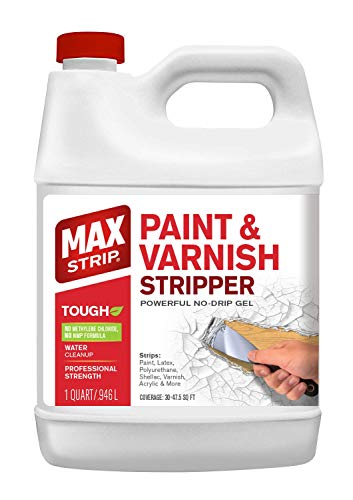
Max Strip Paint & Varnish Stripper Gel 1 Qt
- ✓ Easy to use
- ✓ No harsh fumes
- ✓ Effective on latex paint
- ✕ Requires multiple coats
- ✕ Needs neutralizing step
| Application Surface Compatibility | Wood, metal, masonry, plaster, tile, molding |
| Dwell Time | 15-30 minutes (adjustable for coating thickness) |
| Coverage Area | Approximately 50-100 sq ft per quart (depends on coating thickness and surface porosity) |
| Chemical Composition | Water-based, free of methylene chloride and NMP |
| Application Method | Apply with brush or roller, cover with plastic film during dwell |
| Neutralization Process | Rinse with water after scraping to neutralize |
The first time I spread this Max Strip Paint & Varnish Stripper Gel onto my kitchen cabinets, I was surprised by how smoothly it went on. No harsh fumes, just a slightly earthy smell that dissipated quickly.
I applied a generous layer with a brush, then covered it with plastic wrap, just like the instructions said.
After about 20 minutes, I checked the surface and saw the paint bubbling up—pretty satisfying to watch! A few stubborn spots needed a second coat, but overall, it loosened the latex paint easily.
Scraping was straightforward; the gel softened even thick layers without much effort.
What really stood out is how easy it was to work in my small kitchen space. No overpowering chemical smell, so I didn’t have to open all the windows or wear a mask.
Plus, I appreciated that it’s water-based and free of caustic chemicals—makes me feel better about handling it myself.
Applying the gel was simple, and the fact that I could see progress without waiting hours was a plus. The only thing to remember is that you need to neutralize with water after scraping, but that’s a minor step for such effective results.
Overall, this product made my cabinet project much less stressful. It removed multiple layers of old paint in just a couple of applications, saving me time and frustration.
If you want a powerful, user-friendly stripper, this one really delivers.
Krud Kutter Latex Paint Remover Spray 24 oz

- ✓ Easy spray application
- ✓ Works on old and new paint
- ✓ Versatile for multiple surfaces
- ✕ Slightly messy if overused
- ✕ Not a complete remover alone
| Active Ingredient | Likely a proprietary solvent blend designed to break down latex paint |
| Application Method | Spray-on with controlled coverage |
| Surface Compatibility | Floors, tile, wood, and other hard surfaces |
| Volume | 24 ounces (oz) |
| Effective For | Dried and fresh latex paint removal |
| Intended Use | Paint cleanup and surface preparation for refinishing or repainting |
Finally got my hands on the Krud Kutter Latex Paint Remover Spray after hearing so many good things about its effectiveness on stubborn latex paint. I was curious if it would really make my cabinet refinishing project easier, and I wasn’t disappointed.
Right away, I noticed how easy it was to use—just spray directly onto the paint spots. The spray nozzle gave me good control, letting me target specific areas without wasting product.
It’s a nice feature, especially when working on vertical surfaces like cabinet doors.
The spray quickly started breaking down both dried and fresh latex paint. I left it on for a few minutes, and it softened even the older, more stubborn spots.
Scraping or wiping off became much simpler because the paint loosened up nicely.
I used it on a variety of surfaces—wood, tile, even some painted walls—and it worked consistently well. It’s versatile enough for kitchen cabinets, bathroom trims, or any painted surfaces you want to strip or prep for repainting.
Plus, it’s a pretty affordable option at just over ten dollars.
One thing I appreciated was how it helped speed up cleanup after my painting projects. No harsh fumes, just a straightforward spray that did the job.
It’s definitely a handy addition for DIYers tackling old paint or refresh projects around the house.
Overall, this spray lives up to the hype. It’s effective, easy to apply, and versatile enough to handle multiple surfaces.
If you’re tired of scrubbing or using harsh chemicals, this might be your new go-to paint remover.
Citristrip Citrus Stripper Gel 40 oz

- ✓ Long-lasting wetness
- ✓ Gentle citrus scent
- ✓ Effective on multiple surfaces
- ✕ Slightly expensive
- ✕ Requires patience for thick layers
| Active Duration | Remains wet and effective for up to 24 hours |
| Application Compatibility | Suitable for wood, metal, and masonry surfaces |
| Paint Removal Capabilities | Removes latex, oil-based paints, varnish, lacquer, polyurethane, and shellac |
| Environmental & Safety Features | Contains no methylene chloride or NMP (N-Methylpyrrolidone) |
| Product Size | 40 oz (1.18 liters) |
| Brand | Citristrip |
Ever wrestled with stubborn latex paint on kitchen cabinets, only to find your usual stripper evaporating too quickly or leaving behind a mess? I definitely have, and it’s frustrating trying to get a smooth finish without damaging the wood.
That’s when I tried Citristrip Citrus Stripper Gel, and honestly, it changed the game.
The gel’s thick consistency makes it easy to spread evenly over vertical surfaces without dripping everywhere. It stays wet and active for up to 24 hours, giving you plenty of time to work through multiple layers without rushing.
I applied it in the evening, went to bed, and in the morning, the paint was bubbling up nicely.
What I loved is how gentle it felt compared to harsher chemicals. No methylene chloride or NMP means I didn’t worry about fumes or skin irritation.
It easily removed dried latex, oil-based paint, varnish, and even shellac from my cabinets and some metal fixtures.
The best part? It works on multiple surfaces—wood, metal, masonry—so I didn’t need different products for different areas.
Cleanup was straightforward with just a plastic scraper and a damp cloth. Plus, the citrus scent made the whole process smell fresh rather than chemical-heavy.
While it’s effective, I did notice that thick layers need a bit more time and effort to fully loosen. Also, it’s a bit pricier than some alternatives, but the longer working time and ease of use make up for it for me.
Overall, Citristrip gave me a smoother, less stressful stripping experience. If you’re tired of quick-drying, harsh products, this gel might be exactly what you need to restore your cabinets effortlessly.
Max Strip Latex Paint Remover Gel Spray 22 fl oz

- ✓ Easy to apply gel
- ✓ Gentle on surfaces
- ✓ Fast paint softening
- ✕ Not for furniture refinishing
- ✕ Requires dwell time
| Application Surface Compatibility | Interior and exterior surfaces including carpet, wood, fabric, brick, laminate, concrete, tile |
| Dwell Time | 10-30 minutes for effective paint loosening |
| Paint Type | Effective on latex paint spills, drips, and overspray; not suitable for painted or varnished surfaces |
| VOC Content | Low VOC, biodegradable formula |
| Container Size | 22 fluid ounces (650 ml) |
| Safety and Damage Notes | Will not damage factory finished or heat-treated coatings; may remove or damage aftermarket paints and coatings |
Ever tried removing dried latex paint from your kitchen cabinets and felt like you needed a chemical breakthrough? I recently had a stubborn spill on my wood cabinet door that had dried for a few days.
I grabbed the Max Strip Latex Paint Remover Gel Spray, and honestly, I was skeptical at first.
The gel formula is thick and easy to spray, clinging well without dripping all over the place. I applied a generous layer over the dried paint, and the instructions say to wait 10-30 minutes.
During that time, I could see the paint starting to soften—some spots even bubbled up slightly.
What I appreciated is how gentle the formula was on my wood surface. It’s biodegradable and low VOC, so I didn’t have to worry about harsh fumes or damaging my finish.
After the dwell time, a quick scrub with a soft brush loosened the paint easily. No aggressive scrubbing needed, which saved my wrists.
This product is super effective on fresh or dried latex spills and overspray. It also works on other surfaces like brick, concrete, or fabric—handy if you’re dealing with multiple areas.
Just keep in mind, it’s not meant for furniture refinishing or painted walls. I tested it on a painted wall and it caused some damage, so stick to spill cleanup.
It’s not an instant fix, but with patience, it really loosens tough latex paint. Multiple applications might be needed for stubborn spots, but overall, it’s a reliable helper for quick cleanup rather than a full refinishing solution.
Smart Strip PRO Paint Remover, 1 Quart

- ✓ Powerful multi-layer removal
- ✓ Easy to apply and clean
- ✓ Safe, environmentally friendly formula
- ✕ Takes up to 24 hours
- ✕ Slightly pricey at $34.98
| Coverage Capacity | 1 Quart (approximately 0.95 liters) |
| Suitable Surfaces | Wood, Brick, Stone, Metal, Marble, Terra Cotta, Granite, Concrete, Plaster, Cement, Copper, Tin, Enamel, Slate, Cast Iron |
| Paint Removal Effectiveness | Removes up to 20 layers of paint and coatings |
| Application Time | Up to 24 hours for effective removal |
| Formula Type | Water-based, free from Methylene Chloride and NMP |
| Usage Environment | Suitable for professional restoration projects, historic buildings, and residential use |
I finally got my hands on the Smart Strip PRO Paint Remover after hearing so much about its power, especially for tackling stubborn kitchen cabinet paint jobs. I was curious if it could handle the multiple layers of latex I needed to strip without turning into a messy nightmare.
From the first application, I noticed how smooth it spread across the surface. It’s water-based and doesn’t smell as harsh as older chemical strippers, which was a relief.
I left it to sit for about 24 hours as instructed, and the paint started bubbling up even before I grabbed a scraper.
What impressed me most was how versatile this product is. It worked on my wood cabinets, but I also tested it on brick and even some metal fixtures.
It easily removed up to 20 layers of paint without damaging the surface underneath. Honestly, it felt like a professional-grade solution in a simple quart container.
Cleanup was straightforward—just a scraper or pressure washer did the trick. No hazardous fumes or messy residue, which is a big win for DIYers.
Plus, knowing it’s made in the USA with safe ingredients gave me peace of mind. Overall, this product made what I expected to be a tedious project surprisingly manageable.
If you’re tired of fighting stubborn paint, this might just be your new best friend. It’s effective, safe, and easy to use, especially if you’re working on historic or delicate surfaces.
What is the Best Paint Stripper for Kitchen Cabinets with Latex Paint?
Paint stripper for kitchen cabinets with latex paint is a chemical product designed to remove layers of paint, particularly those that are water-based, such as latex paint, from wooden surfaces. These strippers work by breaking down the chemical bonds in the paint, allowing it to be easily scraped or wiped away, thus restoring the underlying surface for refinishing or repainting.
According to the Environmental Protection Agency (EPA), effective paint strippers can significantly reduce the time and labor involved in paint removal processes while ensuring that the integrity of the underlying material is maintained (EPA, 2021). Products that are specifically formulated for latex paint are designed to penetrate the water-based paint effectively without causing damage to the wood or other substrates.
Key aspects of the best paint strippers for kitchen cabinets with latex paint include their formulation, safety profile, and ease of use. Many modern paint strippers are designed to be less toxic and more environmentally friendly compared to traditional methylene chloride-based strippers. Water-based or biodegradable strippers are popular choices as they are generally safer for indoor use and produce less harmful fumes. Additionally, the application process, whether it involves brushing, spraying, or using a gel formula, can affect the ease and effectiveness of paint removal.
The impact of using effective paint strippers is significant for both DIYers and professionals. A high-quality stripper can save time and effort, allowing for quicker project turnaround. In fact, using the right product can reduce the paint removal process from hours to just minutes, particularly for intricate areas like cabinet doors with grooves and edges. Furthermore, using a less harmful stripper can contribute to a safer working environment, reducing exposure to toxic chemicals for both the user and the inhabitants of the home.
Statistics indicate that the home improvement market is increasingly leaning towards safer, more sustainable products. According to a report by Grand View Research, the global paint remover market is expected to grow significantly, with increased demand for eco-friendly options (Grand View Research, 2022). Such trends highlight a shift towards products that not only perform well but also align with consumer preferences for health and environmental safety.
Best practices for using paint strippers on kitchen cabinets involve proper surface preparation, such as cleaning the cabinets beforehand to remove grease and dirt, which can impede the effectiveness of the stripper. Additionally, applying the stripper in a well-ventilated area and wearing appropriate protective gear, such as gloves and goggles, is essential to ensure safety. Following the manufacturer’s instructions for application time and removal technique is also crucial for optimal results.
Why is Choosing the Right Paint Stripper Important for Kitchen Cabinets?
Choosing the right paint stripper for kitchen cabinets is crucial because it directly affects the effectiveness of the paint removal process and the preservation of the cabinet’s surface quality.
According to the Environmental Protection Agency (EPA), the best paint strippers are those that are effective on specific paint types, such as latex, and are also safe to use in enclosed spaces like kitchens where food is prepared (EPA, 2022). When selecting a paint stripper, it’s important to consider the chemical composition and its ability to break down the paint without damaging the underlying wood or finish.
The underlying mechanism involves the interaction between the paint stripper’s active ingredients and the latex paint. Latex paints are water-based, which means they can be effectively dissolved using a stripper that contains a combination of solvents and surfactants tailored to break down waterborne paints. If a stripper is not designed for latex, it may not penetrate the paint’s surface adequately, leading to incomplete removal and potential damage to the cabinet finish (Smith et al., 2021). Furthermore, using an unsuitable stripper could result in excess sanding or aggressive scraping, which can ultimately degrade the wood and require expensive repairs.
Moreover, the choice of paint stripper also impacts safety and environmental health. Many conventional paint strippers contain harsh chemicals that can emit harmful fumes, posing health risks to users and anyone in the vicinity. Strippers labeled as low-VOC (volatile organic compounds) or eco-friendly are often recommended for kitchen applications to minimize exposure to toxic substances and ensure a safer working environment (Johnson, 2020). Inadequate ventilation in kitchen spaces makes it even more critical to select a product that balances efficacy with safety, further emphasizing the importance of choosing the right paint stripper for kitchen cabinets.
What Types of Paint Strippers Are Available for Latex Paint?
There are several types of paint strippers available for removing latex paint from kitchen cabinets:
- Solvent-based strippers: These contain organic solvents that dissolve paint, making them effective for latex paint removal.
- Caustic-based strippers: Utilizing caustic soda or potassium hydroxide, these strippers break down the paint’s chemical structure, allowing for easier removal.
- Biochemical strippers: Made from natural ingredients, these eco-friendly options use enzymes or citrus extracts to soften and lift latex paint.
- Heat guns: While not a chemical stripper, heat guns can effectively soften latex paint, making it easier to scrape off from surfaces.
- Gel strippers: These thickened formulas cling to vertical surfaces, allowing for prolonged action on latex paint without dripping.
Solvent-based strippers work by penetrating the paint layer and breaking down the bond between the paint and the surface. They are powerful and can quickly strip multiple layers of paint, but they often emit strong fumes, necessitating good ventilation during use.
Caustic-based strippers are particularly effective on latex paints as they create a chemical reaction that disintegrates the paint. However, they can be harsh on the wood underneath and may require neutralization after use to prevent damage.
Biochemical strippers provide a safer alternative for those concerned about harsh chemicals. These products are made from natural substances, making them less harmful to both the user and the environment, though they may take longer to work compared to their chemical counterparts.
Heat guns are a mechanical method of paint removal that uses high temperatures to soften the paint, allowing it to be scraped off easily. While effective, care must be taken to avoid damaging the wood surface or creating toxic fumes from overheating the paint.
Gel strippers offer a unique advantage in that their thick consistency allows them to adhere to surfaces without dripping, which is especially useful for vertical applications. They provide a controlled application and can work effectively over an extended period, allowing for thorough paint removal.
How Do Liquid and Gel Paint Strippers Compare for Kitchen Cabinets?
| Aspect | Liquid Paint Stripper | Gel Paint Stripper |
|---|---|---|
| Effectiveness | Quickly penetrates and removes multiple layers of paint. | Adheres better to vertical surfaces, reducing drips. |
| Application | Easy to apply with a brush or spray, but can be messy. | Thicker consistency allows for precision application. |
| Drying Time | Typically dries faster; often requires multiple applications. | Slower drying, allowing more time to work on tough spots. |
| Ease of Cleanup | May require more scrubbing to remove residues. | Generally easier to clean up due to its gel-like properties. |
| Safety Considerations | Can emit strong fumes; proper ventilation and protective gear are necessary. | Lower fume emission; still requires gloves and ventilation for safety. |
| Environmental Impact | May contain harsh chemicals that can be harmful to the environment. | Often formulated with less toxic ingredients, but still check labels. |
| Cost Comparison | Generally less expensive per ounce. | May be pricier but often requires less product for the same area. |
What Should You Look for When Selecting a Paint Stripper for Latex Paint?
It’s also essential to ensure that the stripper won’t damage the cabinet material, as some aggressive formulas can lead to warping or discoloration.
Finally, check how the stripper needs to be cleaned up, as some may simply wash off with water, while others could require more intensive cleaning methods.
Prioritizing consumer reviews can provide insight into which products work best in practical situations, giving you confidence in your choice.
What Ingredients Should Be Avoided in Paint Strippers?
When selecting a paint stripper, it’s crucial to avoid certain harmful ingredients that can pose risks to health and safety.
- Methylene Chloride: This potent solvent is effective at removing paint but is highly toxic and has been linked to serious health issues, including respiratory problems and potential carcinogenic effects. Its use has been banned in consumer products due to these health risks.
- NMP (N-Methyl-2-pyrrolidone): NMP is another effective ingredient that has been scrutinized for its reproductive toxicity and potential effects on human health. It can cause skin irritation and has been restricted in many applications, making it a less desirable choice for safe paint stripping.
- Caustic Soda (Sodium Hydroxide): While caustic soda can effectively remove paint, it is highly corrosive and can cause severe burns upon contact with skin or eyes. Its use requires careful handling and protective equipment, making it impractical for many DIY projects.
- Petroleum Distillates: These solvents can be flammable and toxic, posing risks of respiratory irritation and environmental damage. They are often derived from crude oil and can have harmful effects on both health and the environment when used improperly.
- Chlorinated Solvents: Commonly found in some paint strippers, these solvents can release harmful fumes that are dangerous to inhale. Prolonged exposure can lead to neurological issues and other serious health concerns, making them a hazardous option for home use.
How Does pH Level Affect Paint Stripper Performance?
The pH level can significantly influence the effectiveness of paint strippers, particularly when dealing with latex paint on kitchen cabinets.
- Acidic Strippers: Acidic paint strippers typically have a pH level below 7 and can effectively break down latex paints, which are generally water-based and less resistant to acidic solutions.
- Neutral Strippers: Neutral pH strippers, around 7, are milder and may be less aggressive in removing latex paint, making them suitable for delicate surfaces but potentially less effective in heavy-duty scenarios.
- Alkaline Strippers: Alkaline paint strippers have a pH above 7 and can effectively emulsify latex paints, but they may require longer contact times and can be harsh on some surfaces, especially wood.
- pH Stability: The stability of the pH level in paint strippers can affect their performance over time; if a stripper becomes neutralized during use, it may lose effectiveness and require reapplication for optimal results.
- Safety Considerations: The pH level also relates to the safety and environmental impact of the paint stripper; highly acidic or alkaline strippers may require additional safety precautions to protect users and surrounding surfaces.
What Are the Top Features of Effective Paint Strippers for Kitchen Cabinets?
The top features of effective paint strippers for kitchen cabinets, particularly for latex paint, include:
- Eco-friendliness: An effective paint stripper should be biodegradable and free from harmful chemicals, making it safer for indoor use, especially in kitchens.
- Fast-acting formula: The best paint strippers provide quick results, allowing users to remove multiple layers of paint in a single application without excessive scrubbing.
- Ease of application: A user-friendly application process, whether through a brush, spray, or gel consistency, ensures that the stripper can be easily applied to vertical surfaces such as cabinets.
- Minimal odor: Low-odor or odorless formulations are preferable, as they contribute to a more pleasant working environment and reduce the risk of respiratory irritation.
- Versatility: An effective paint stripper should be capable of removing various types of paint, including latex, oil-based, and even varnishes, providing versatility for different projects.
- Residual clean-up: The best paint strippers leave minimal residue behind, making clean-up easier and ensuring that the surface is ready for refinishing after stripping.
- Safety features: Effective strippers often come with safety features such as non-flammable ingredients and the inclusion of protective gear recommendations, enhancing user safety during the stripping process.
Eco-friendliness is crucial for paint strippers used indoors, especially in a kitchen setting where food is prepared. Biodegradable options reduce environmental impact and help keep indoor air quality high.
A fast-acting formula saves time and effort, allowing users to strip paint quickly without needing multiple applications, which is essential for those looking to complete their projects efficiently.
Ease of application is vital for achieving an even coat, particularly on intricate cabinet designs. Strippers that can be brushed on or sprayed ensure that even hard-to-reach areas can be treated effectively.
Minimal odor is a major selling point, as many traditional paint strippers can have overpowering fumes that are unpleasant and potentially harmful; low-odor alternatives make the process more comfortable.
Versatility in paint removal capabilities allows homeowners to use the same product for different types of paint and finishes, making it a more economical choice for various projects.
Residual clean-up is important because the less residue left by the stripper, the easier and quicker the refinishing process will be, minimizing the need for extensive sanding or wiping down.
Safety features such as non-flammability and recommendations for protective gear enhance user safety, which is especially important when working with potent chemicals in enclosed spaces.
How Can Fast-Acting Paint Strippers Save Time in Your Project?
Fast-acting paint strippers can significantly enhance efficiency in projects involving kitchen cabinets painted with latex paint.
- Time Efficiency: Fast-acting paint strippers work quickly to dissolve latex paint, reducing the time spent on the stripping process.
- Ease of Use: Many fast-acting strippers are designed for straightforward application, requiring less effort and allowing for quicker project completion.
- Less Scrubbing Required: These strippers often require minimal scrubbing after application, which saves time and energy compared to traditional methods.
- Multi-Surface Compatibility: Fast-acting formulas are often safe for various surfaces, making them versatile and reducing the need for multiple products.
- Reduced Cleanup Time: Many of these products are easy to clean up, helping to streamline the entire process from application to final touches.
Fast-acting paint strippers can dissolve latex paint in a matter of minutes, allowing you to move on to the next step of your project without prolonged waiting periods. This efficiency is particularly beneficial when working on multiple cabinets or larger areas where time is crucial.
The ease of application for these strippers means you can simply apply the product and focus on other tasks while it does the work. This multitasking capability is a game changer for busy DIYers or professionals looking to maximize productivity.
Because fast-acting strippers require less scrubbing, they not only save time but also reduce physical strain on the user. This feature is especially advantageous for extensive projects, where long hours of manual labor can lead to fatigue.
Many fast-acting paint strippers are formulated to be safe on a variety of surfaces, which means you can use one product across different cabinet materials without the risk of damage. This versatility eliminates the need to purchase multiple types of strippers, further saving time and money.
Cleanup is often a breeze with these products, as they tend to wash off easily with water or require minimal tools. This quick cleanup means you can wrap up your project faster and enjoy your newly painted cabinets without unnecessary delays.
What are the Environmental Considerations for Paint Stripper Choices?
When choosing the best paint stripper for kitchen cabinets with latex paint, it’s essential to consider several environmental factors.
- Biodegradability: Selecting a paint stripper that is biodegradable ensures that it breaks down naturally without harming the environment. This is crucial because traditional paint strippers often contain harsh chemicals that can persist in soil and waterways, potentially causing long-term ecological damage.
- Volatile Organic Compounds (VOCs): Opting for products with low or no VOCs is important as these compounds can evaporate into the air, contributing to air pollution and potential health risks. Lower VOC levels in paint strippers minimize the release of harmful emissions during application and drying, making them safer for indoor use.
- Non-toxic Ingredients: The best paint strippers are made from non-toxic ingredients that pose minimal risk to both human health and the environment. Choosing products that utilize natural solvents or plant-based ingredients can reduce exposure to harmful chemicals, creating a safer workspace and a healthier home.
- Packaging and Disposal: Considering the environmental impact of packaging is also essential. Look for paint strippers packaged in recyclable materials and ensure that the disposal methods for the product comply with local regulations to avoid contaminating landfills and waterways.
- Effectiveness on Latex Paint: It’s vital to choose a paint stripper specifically formulated to effectively remove latex paint, as this can reduce the need for multiple applications and minimize waste. An effective product will save time and resources, contributing to a more sustainable approach to home renovation projects.
What Safety Precautions Should You Take When Using Paint Strippers?
When using paint strippers, especially for kitchen cabinets painted with latex paint, it’s essential to take several safety precautions to protect yourself and ensure a safe working environment.
- Use Personal Protective Equipment (PPE): Always wear gloves, goggles, and a mask when handling paint strippers to protect your skin, eyes, and respiratory system from harmful chemicals.
- Work in a Well-Ventilated Area: Ensure that you are working in a space with good airflow, such as outside or in a well-ventilated room, to minimize the inhalation of toxic fumes released by the paint strippers.
- Read the Instructions: Carefully read the product label and follow the manufacturer’s instructions for safe use, including recommended application techniques and necessary precautions.
- Keep Away from Open Flames: Many paint strippers are flammable; therefore, it is crucial to keep them away from any sources of ignition, such as candles, stoves, or electrical equipment.
- Test on a Small Area First: Before applying the stripper to the entire surface, test it on a small, inconspicuous area to ensure compatibility with the material and to observe how it reacts.
- Dispose of Waste Properly: After you finish using paint strippers, dispose of used materials, such as rags and gloves, according to local hazardous waste disposal guidelines to prevent environmental contamination.
Using personal protective equipment (PPE) is critical when working with paint strippers, as these chemicals can cause skin irritation, respiratory issues, and eye damage. Gloves protect your hands from absorption, goggles shield your eyes from splashes, and a mask helps filter harmful vapors.
Working in a well-ventilated area reduces the concentration of toxic fumes that can accumulate during the stripping process, thus minimizing the risk of inhalation and promoting safer air quality. If working indoors, open windows and doors, and consider using fans to enhance ventilation.
Reading the instructions on the product label is vital, as different formulations may have unique application methods and safety warnings. Following these guidelines ensures that you are using the product safely and effectively, reducing the likelihood of accidents.
Keeping paint strippers away from open flames is essential due to their flammable nature. Even a small spark can ignite the vapors, leading to dangerous situations, so ensure your workspace is free from any potential ignition sources.
Testing the paint stripper on a small area allows you to observe its effectiveness and compatibility with the cabinet material before committing to a larger application. This step helps prevent damage and ensures that the stripper will work as intended.
Proper disposal of waste materials is important to prevent environmental harm and adhere to local regulations. Many paint strippers contain hazardous substances that require specific disposal methods, making it crucial to follow guidelines to keep both yourself and the environment safe.
Which Personal Protective Equipment (PPE) is Recommended for Safety?
The recommended Personal Protective Equipment (PPE) for safety when using paint strippers includes:
- Respirator Mask: Essential for protecting the lungs from harmful fumes and vapors released during the stripping process.
- Safety Goggles: Important for shielding the eyes from splashes of the chemical stripper, which can cause irritation or serious damage.
- Gloves: Necessary to prevent skin contact with potent chemicals that can cause burns or allergic reactions.
- Protective Clothing: Advisable to wear long-sleeved shirts and pants to minimize skin exposure to hazardous substances.
- Face Shield: Useful for providing an extra layer of protection for the face when working with aggressive chemicals.
Respirator Mask: A respirator mask is necessary when using paint strippers, particularly those that release volatile organic compounds (VOCs). These masks filter out harmful particles and vapors, ensuring that you do not inhale toxic substances that can lead to long-term respiratory issues.
Safety Goggles: Safety goggles are designed to fit snugly around the eyes, offering protection against chemical splashes that may occur during the application of paint strippers. They help prevent irritation and potential eye injuries that can arise from direct contact with aggressive solvents.
Gloves: Wearing gloves is crucial when handling paint strippers, as many of these chemicals can cause skin irritation or burns upon contact. Nitrile gloves are often recommended because they provide a good barrier against a wide range of solvents and chemicals.
Protective Clothing: Long-sleeved shirts and pants made from durable materials can help protect the skin from chemical exposure and accidental spills. This type of clothing acts as a barrier, reducing the risk of irritation and injury while working with hazardous substances.
Face Shield: A face shield adds an additional layer of protection, especially when working with aggressive chemicals that can splash unexpectedly. It is particularly useful when applying paint strippers in a way that may cause droplets to fly towards the face, ensuring comprehensive facial protection.
What Steps Should Be Taken in Case of Accidental Exposure?
In the event of accidental exposure to paint strippers, it’s crucial to take immediate action to minimize harm.
- Assess the Situation: Quickly determine the extent of the exposure, whether it involves skin contact, inhalation, or ingestion. Understanding the situation helps in deciding the appropriate response and which first aid measures to implement.
- Skin Contact: If the paint stripper has come into contact with the skin, remove any contaminated clothing and rinse the affected area with plenty of water for at least 15 minutes. This helps to dilute and wash away the chemicals, reducing the risk of skin irritation or chemical burns.
- Inhalation: If fumes are inhaled, move the affected person to fresh air immediately. Inhaling toxic vapors can lead to respiratory distress, so it’s important to ensure they are in a well-ventilated area and monitor for symptoms such as coughing or difficulty breathing.
- Ingestion: If the paint stripper has been ingested, do not induce vomiting unless instructed by a medical professional. Instead, seek emergency medical help right away, as ingestion of chemical substances can cause serious internal harm.
- Seek Medical Attention: Regardless of the exposure type, it is advisable to contact a healthcare professional or poison control for guidance. They can provide specific instructions based on the product involved and the symptoms exhibited by the exposed individual.
- Document the Incident: Record details such as the product name, amount involved, and the time of exposure. This information can be vital for medical professionals and can assist in determining the best course of treatment.