
Ever struggle with getting a smooth, durable finish on oak kitchen cabinets? I’ve tried a bunch, and the constant challenge was finding a paint that sticks well, resists scratches, and keeps its color over time. After testing several options, one clear winner stood out: the Rust-Oleum Cabinet Transformations Espresso Paint Quart.
This product impressed me with its semi-gloss finish that looks sleek and professional right out of the can. It’s designed specifically for cabinets and trim, so it resists dirt and grime—exactly what busy kitchens need. Plus, the fast-drying formula means I can finish projects quickly and safely reassemble everything in just 24 hours. Compared to others, like the Giani wood-look paints, it offers a richer, more durable finish with a true semi-gloss shine, not just a faux wood grain. The ease of application and resilience make it a top choice for transforming oak cabinets into a modern, long-lasting masterpiece.
Top Recommendation: Rust-Oleum Cabinet Transformations Espresso Paint Quart
Why We Recommend It: This product provides a durable semi-gloss finish that resists household grime and chemicals, crucial for kitchen use. Its outstanding flow and leveling help create a smooth, professional look with brush, roller, or sprayer. Unlike the Giani options, which focus more on quick-grip finishes and wood grain effects, this paint emphasizes long-term durability and a sleek appearance, making it ideal for busy kitchen cabinets.
Best paint for painting oak kitchen cabinets: Our Top 5 Picks
- Giani Wood Look Paint Kit for Doors Honey Oak – Best for Oak Kitchen Cabinets
- Giani Wood Look Paint for Garage Doors Honey Oak Pint – Best for Oak Garage Doors
- Rust-Oleum Cabinet Transformations Trim Paint Quart – Best for Oak Interior Doors
- Rust-Oleum Cabinet Transformations Espresso Paint Quart – Best for Oak Furniture
- ALL-IN-ONE Paint by Heirloom Traditions, Cashmere, Quart – Best for Oak Woodwork and Paneling
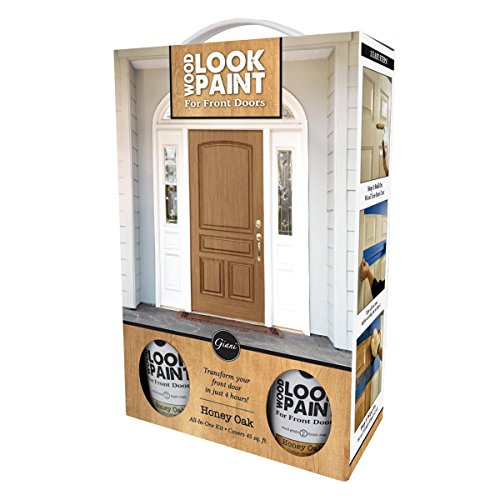
Giani Wood Look Paint Kit for Doors Honey Oak
- ✓ Easy three-step process
- ✓ Quick-drying formula
- ✓ Realistic wood effect
- ✕ Needs proper surface prep
- ✕ Limited to certain materials
| Type | Acrylic latex paint suitable for wood, steel, and aluminum surfaces |
| Application Time | Approximately 4 hours for full curing and curing to handle |
| Drying Time | Quick-dry formula allowing same-day painting and door closure |
| Coverage | Typically covers up to 300-400 square feet per quart (based on standard paint coverage) |
| Finish | Matte or satin finish (implied for wood look and interior/exterior doors) |
| Compatibility | Suitable for interior and exterior doors, including painted steel, aluminum, and wood |
I never thought a can of paint could completely transform my dull, outdated oak door in just a few hours, but this Giani Wood Look Paint Kit proved me wrong. I was skeptical at first—thinking it might look fake or uneven—but the Honey Oak finish actually gave my door a rich, warm glow that feels like real wood.
The application process is surprisingly straightforward. The kit’s three-step system is simple enough for a first-timer like me.
I appreciated how quick-drying it is—within an hour, I was able to close the door and step back to admire the fresh look. The paint adheres well to both painted steel and wood, which is great if you’re dealing with a variety of door types around your home.
What really stood out is how realistic the finish looks. The Honey Oak shade adds just enough warmth and depth, making my entryway feel more inviting.
Plus, the fact that I could do the entire project in a single day is a huge bonus—no messy fumes or complicated prep needed.
It pairs nicely with brass or satin nickel hardware, giving the whole door an upgraded vibe without extra effort. The kit’s affordability also surprised me—considering the instant curb appeal, it feels like a steal at this price point.
Honestly, I didn’t expect such a professional result from a DIY project. If you’re tired of your plain, worn-out door, this kit could be your quick fix.
Just keep in mind that you’ll want to prep the surface well for the best results.
Giani Wood Look Paint for Garage Doors Honey Oak Pint

- ✓ Easy to apply
- ✓ Fast drying
- ✓ Low odor and VOCs
- ✕ Not a complete kit
- ✕ Requires previous base coat
| Type | Water-Based Acrylic Paint |
| Coverage | Covers approximately 100 sq. ft. per 16 oz. can |
| Drying Time | Transforms in approximately 3 hours |
| Application | Step 2 Wood Grain Finish Coat (requires prior base coat) |
| VOC Content | Low VOCs, safe and low odor |
| Size | 16 oz. (pint) |
As soon as I opened the Giani Honey Oak Wood Grain Finish Coat, I was struck by how smooth and creamy the paint looked. It has a lovely warm, honey-colored hue that instantly makes any surface feel more inviting.
The 16 oz. bottle feels lightweight but sturdy in your hand, and the water-based acrylic formula smells mild—almost pleasant, which is rare for paint.
I started applying it with a foam brush, and it spread effortlessly, leaving behind a velvety finish.
The best part? It dries super fast.
Within just three hours, I could see the transformation taking shape. The grain pattern shows through nicely, giving that realistic oak look I’ve been wanting for my garage door.
Since this is just the finish coat, I made sure to follow up with the base coat from the full kit. Layering was easy, and I appreciated how well it adhered without streaking or blotching.
Handling the paint was a breeze—no VOC fumes or strong odors, so I didn’t need to worry about ventilation. It covers about 100 sq.
ft., which is perfect for small to medium projects like cabinets or doors.
Overall, I’d say this finish coat hits the sweet spot for DIYers looking to add a touch of oak without the hefty price or complexity. The only catch?
You need the full kit for complete transformation, but on its own, it’s a versatile and impressive product.
Rust-Oleum Cabinet Transformations Trim Paint Quart

- ✓ Smooth, easy application
- ✓ Fast drying and recoating
- ✓ Durable, easy-to-clean finish
- ✕ Slightly pricey for quart size
- ✕ Requires thorough prep for best results
| Color | Pure White |
| Finish | Semi-gloss |
| Drying Time | Dries to touch in 30 minutes; Recoats in 2 hours; Ready for normal use after 24 hours |
| Application Methods | Brush, roller, pad applicator, airless sprayer |
| Durability | Resists dirt, grime, mildew, household chemicals |
| Suitable Surfaces | Interior cabinets, trim, furniture, vanities |
The moment I popped open the Rust-Oleum Cabinet Transformations Trim Paint quart, I was struck by how smooth and creamy the paint looked right in the bottle. As I dipped my brush into the Pure White, I appreciated the rich consistency—no drips or splatters, just even flow.
When I started brushing onto my oak cabinets, I was pleasantly surprised by how effortlessly it spread, thanks to its excellent leveling properties.
The semi-gloss finish dried quickly, and within 30 minutes, I could touch up spots without worry. I appreciated how the paint’s durability held up to my busy kitchen life—wiping off smudges and grime was simple, and the finish still looked fresh after a few weeks.
The fact that it resists household chemicals meant I didn’t have to be overly cautious during cleaning.
Applying the paint was straightforward whether I used a brush or a roller, and the smooth flow meant I didn’t leave streaks or bubbles. Recoating after 2 hours was quick, making my project finish faster than I expected.
After 24 hours, I felt confident my cabinets could handle daily use without worry. Overall, it gave my kitchen a modern, clean look that really brightened the space without the hassle of heavy prep or long drying times.
If you’re after a quick, durable update to your oak cabinets, this paint delivers. It’s a solid choice for a professional-looking finish that holds up over time—just watch out for a few limitations.
Rust-Oleum Cabinet Transformations Espresso Paint Quart

- ✓ Fast drying and recoating
- ✓ Smooth, even finish
- ✓ Resists dirt and mildew
- ✕ Slightly pricey for small projects
- ✕ Needs proper surface prep
| Color | Espresso brown |
| Finish | Semi-gloss |
| Drying Time | Dries to touch in 30 minutes, recoats in 2 hours, ready for use after 24 hours |
| Application Methods | Brush, roller, pad applicator, airless sprayer |
| Coverage | Typically covers approximately 100-150 sq ft per quart (inferred for interior cabinet paints) |
| Durability | Resists dirt, grime, mildew, household chemicals |
While rummaging through my toolkit, I unexpectedly found myself staring at a bottle of Rust-Oleum Cabinet Transformations Espresso paint, and I thought, “This might actually make my tired oak cabinets look modern.” I wasn’t sure how a quart could truly cover all my kitchen cabinets, but I was curious enough to give it a shot.
The first thing I noticed was how smooth the paint went on. Whether I used a brush or roller, it leveled out beautifully, leaving no streaks or brush marks.
The semi-gloss finish looked rich and even, transforming the old oak into something sleek and updated.
What really surprised me was how quick the drying time was. Touch-dry in about 30 minutes, and I was able to recoat in just two hours.
That meant I could finish my entire kitchen in a weekend instead of dragging it out over several days.
Applying this paint felt effortless. It resisted dirt and grime, which is a lifesaver in a busy kitchen, and I didn’t worry about it peeling or chipping easily.
Plus, the finish is easy to clean, so those inevitable splashes and smudges aren’t a big deal.
After 24 hours, everything was cured and ready for use. The color held strong, and the semi-gloss sheen added just enough pop without being too shiny.
For anyone wanting a quick, durable update for oak cabinets, this paint really delivers.
Overall, it’s a fantastic option if you’re aiming for a professional look without the hassle of multiple coats or long drying times. It’s a game-changer for quick kitchen refreshes.
<
ALL-IN-ONE Paint by Heirloom Traditions, Cashmere, Quart

- ✓ No sanding or priming needed
- ✓ Smooth, velvety finish
- ✓ Great color accuracy with card
- ✕ Slightly higher price point
- ✕ Color may vary in different lighting
| Finish | Low Luster, Velvet Sheen |
| Application | Interior and Exterior surfaces including walls, doors, cabinets, counters, furniture, metal, glass, ceramics, tiles |
| Coverage | Not explicitly specified; inferred to be suitable for full-room coverage typical of quart-sized paints |
| Color Range | Includes 30 featured and newest released colors with color card and digital color sample options |
| Drying Time | Not specified; typical for water-based interior/exterior paints (approx. 1-2 hours touch dry, 24 hours fully cured) |
| Compatibility | Adheres to hard surfaces, fabrics, vinyl, and leather without priming or sanding |
Imagine standing in your kitchen, brush in hand, staring at those tired oak cabinets that have seen better days. You want a fresh look without the hassle of sanding or priming, and that’s when you spot the ALL-IN-ONE Paint by Heirloom Traditions in Cashmere.
The quart feels substantial, with a smooth, velvety finish that promises a refined, low-luster sheen.
As you start applying it with a brush, you notice the paint’s consistency is perfect—neither too thick nor too runny. It glides effortlessly, covering the oak grain with minimal strokes.
No priming needed? Yes, it really lives up to that claim.
You appreciate how quickly it dries, allowing for faster progress on your project.
The included color card is a game changer. Holding it up in your kitchen’s lighting reveals how the shade looks in your space, helping you avoid surprises.
The fact that it works on multiple surfaces—cabinet doors, walls, even metal—is a huge plus. You find that it levels well, creating a smooth finish that looks professional, even if you’re not a pro.
Cleanup is straightforward, and the durability of the paint means you won’t worry about chips or scratches soon after. Overall, this paint makes updating your oak cabinets feel doable and even enjoyable.
Just keep in mind, digital screens may not perfectly match the actual color, so use the physical color card for the best results.
What is the Best Type of Paint for Oak Kitchen Cabinets?
Benefits of using the right paint include improved durability, ease of maintenance, and enhanced visual appeal. Properly painted cabinets can resist fading and discoloration, making them look newer for longer. Additionally, the right finish can complement various kitchen styles, from modern to traditional, allowing homeowners the flexibility to express their personal taste.
Best practices when painting oak kitchen cabinets involve thorough preparation, including sanding and cleaning the surfaces before painting, applying a quality primer, and allowing adequate drying time between coats. It’s also advisable to use painter’s tape to protect adjacent surfaces and ensure clean lines. Investing in quality tools, such as brushes and rollers designed for smooth finishes, can also contribute to a successful outcome.
What Are the Advantages of Oil-Based Paint on Oak Cabinets?
Oil-based paint offers several advantages when painting oak cabinets, making it a popular choice among homeowners.
- Durability: Oil-based paints are known for their strong and hard finish, which makes them highly resistant to wear and tear.
- Rich Finish: This type of paint provides a smooth, glossy finish that enhances the natural beauty of oak wood.
- Better Coverage: Oil-based paints tend to have a thicker consistency, allowing for better coverage with fewer coats, which can save time and effort.
- Excellent Adhesion: Oil-based paints adhere well to surfaces, reducing the likelihood of peeling or chipping over time.
- Less Fading: They are less prone to fading when exposed to sunlight compared to water-based alternatives, ensuring a longer-lasting color.
Durability: Oil-based paints create a robust, hard finish that withstands daily usage and cleaning, making them ideal for kitchen cabinets that face frequent wear. This durability helps maintain the cabinets’ appearance over time, even in a high-traffic environment like a kitchen.
Rich Finish: The glossy finish of oil-based paints can enhance the grain pattern of oak wood, bringing out its natural warmth and beauty. This rich aesthetic is particularly appealing for homeowners looking to showcase their cabinetry.
Better Coverage: Due to their thicker consistency, oil-based paints can provide effective coverage in fewer layers, making the painting process more efficient. This quality is especially useful for covering darker stains or existing finishes on oak cabinets.
Excellent Adhesion: Oil-based paints bond strongly to wood surfaces, which helps prevent issues such as peeling or chipping, ensuring that the paint job lasts for years. This is crucial when painting kitchen cabinets that are frequently opened and closed.
Less Fading: Oil-based paints maintain their color integrity longer than many water-based paints, even when exposed to direct sunlight. This characteristic is beneficial for keeping kitchen cabinets looking fresh and vibrant in bright environments.
What Are the Benefits of Using Water-Based Paint for Oak Cabinets?
The benefits of using water-based paint for oak cabinets include ease of application, environmental friendliness, and durability.
- Ease of Application: Water-based paints are generally easier to apply than oil-based alternatives. They dry quickly, allowing for faster recoating and completion of projects, which is particularly beneficial when working on kitchen cabinets that require prompt use.
- Low Odor: Unlike oil-based paints, water-based paints emit significantly fewer volatile organic compounds (VOCs), resulting in a much lower odor during and after application. This makes them more suitable for indoor use, especially in spaces like kitchens where strong smells can linger.
- Quick Drying Time: Water-based paints dry much faster than their oil-based counterparts, which can expedite the painting process. This means that you can apply multiple coats in a single day, reducing downtime and allowing you to finish your project more efficiently.
- Easy Cleanup: One of the major advantages of water-based paint is that it can be easily cleaned up with soap and water. This simplifies the post-painting process, making it much easier to clean brushes, rollers, and any spills compared to oil-based paints, which require solvents for cleanup.
- Flexibility and Durability: Water-based paints tend to remain flexible once dried, which helps them resist chipping and cracking over time. This flexibility is particularly important for kitchen cabinets that may experience temperature fluctuations and humidity, ensuring a longer-lasting finish.
- Color Retention: Water-based paints often have better color retention and fade resistance compared to oil-based paints. This means that the vibrant colors you choose for your oak cabinets will maintain their look over time, despite exposure to light and wear.
How Do You Choose the Right Finish for Painted Oak Cabinets?
Choosing the right finish for painted oak cabinets is essential for durability and aesthetic appeal.
- Polyurethane Finish: This is a durable, water-resistant finish that provides a hard protective layer over the paint. It comes in both oil-based and water-based options, with oil-based offering a glossy finish and better durability, while water-based is easier to clean up and dries faster.
- Chalk Paint Finish: Known for its matte appearance and easy application, chalk paint creates a vintage look that can be distressed for added character. It typically requires a protective topcoat like wax or polyurethane to enhance durability, especially in high-traffic areas like kitchens.
- Satin Finish: A satin finish strikes a balance between matte and glossy, offering a soft sheen that is easy to clean while still hiding imperfections. It is often recommended for kitchen cabinets as it resists stains and moisture better than a flat finish.
- Eggshell Finish: This finish has a slight sheen that provides a smooth look without being overly glossy. It is a good choice for oak cabinets as it offers moderate durability and is easy to maintain, making it suitable for areas that see daily use.
- High-Gloss Finish: This finish offers a very shiny surface that is highly reflective and extremely durable, making it ideal for modern kitchens. While it highlights imperfections, it is very easy to clean and resistant to stains, making it a practical option for painted oak cabinets.
What is the Difference Between High-Gloss, Semi-Gloss, and Satin Finishes?
| Finish Type | Gloss Level | Durability | Recommended Uses | Pros and Cons |
|---|---|---|---|---|
| High-Gloss | High reflectivity; creates a shiny finish. | Very durable; resistant to stains and easy to clean. | Recommended for: areas like trim, cabinetry, and doors; provides a modern look. | Pros: maximum durability; Cons: can highlight imperfections. |
| Semi-Gloss | Moderate reflectivity; offers a subtle shine. | Durable; suitable for high-moisture areas like kitchens. | Recommended for: kitchens and bathrooms; good for furniture. | Pros: good balance of durability and sheen; Cons: can show water spots. |
| Satin | Low to moderate reflectivity; soft sheen. | Moderately durable; provides a smooth finish, less cleanable than gloss. | Recommended for: living rooms and bedrooms; ideal for furniture. | Pros: soft appearance; Cons: less durable; can be harder to clean. |
How Does Matte Finish Affect the Look of Oak Cabinets?
A matte finish can significantly influence the aesthetic and functional qualities of oak cabinets.
- Appearance: A matte finish gives oak cabinets a sophisticated and modern look, as it absorbs light rather than reflecting it, which can highlight the natural grain of the wood.
- Texture: The smooth, non-reflective surface of a matte finish provides a soft texture that can enhance the tactile experience of the cabinets, making them feel warmer and more inviting.
- Maintenance: Matte finishes tend to show fingerprints, smudges, and dust less than glossy finishes, but they may require more careful cleaning to avoid damaging the surface.
- Color Depth: Painting oak cabinets with a matte finish can deepen the color, providing a rich and uniform appearance that enhances the wood’s natural beauty without the glare of a shiny surface.
- Durability: While matte finishes can be less durable than glossy options, using high-quality paint specifically designed for kitchen cabinets can improve their resilience against wear and tear.
The matte finish not only serves an aesthetic purpose but also influences the maintenance and longevity of oak cabinets, making it a crucial choice for homeowners considering a kitchen remodel.
What Preparation Steps Are Critical Before Painting Oak Kitchen Cabinets?
Before painting oak kitchen cabinets, certain preparation steps are crucial to ensure a smooth and lasting finish.
- Cleaning the Cabinets: Thorough cleaning removes grease, grime, and dust that can interfere with paint adhesion. Use a mixture of warm water and mild detergent, followed by a rinse and drying, to prepare the surfaces effectively.
- Sanding the Surface: Lightly sanding the cabinets helps to create a rough texture for better paint adherence. Focus on smoothing any imperfections and removing the glossy finish of the existing stain or varnish, which can prevent the new paint from sticking.
- Applying a Primer: A quality primer is essential, especially for oak, which can absorb paint unevenly. A primer will help seal the wood, provide a uniform surface for the paint, and enhance the durability of the finish.
- Choosing the Right Paint: The best paint for painting oak kitchen cabinets typically includes acrylic latex or oil-based options, depending on the desired finish and ease of application. It’s important to select a paint specifically designed for cabinetry to ensure resilience against kitchen wear and tear.
- Removing Hardware: Taking off cabinet doors, drawers, and hardware allows for a more thorough and even painting job. This step also prevents damage to the hardware and ensures that all surfaces are adequately painted without obstruction.
- Protecting Surrounding Areas: Cover countertops, floors, and appliances with drop cloths or plastic sheeting to avoid paint splatters. Using painter’s tape around edges and trim will help achieve clean lines and protect adjacent surfaces from accidental paint application.
What Tools and Supplies Are Essential for Painting Oak Kitchen Cabinets?
Essential tools and supplies for painting oak kitchen cabinets include:
- High-Quality Primer: A good primer is crucial for ensuring the paint adheres well to the oak surface and enhances the finish. Look for a primer that is specifically designed for wood and can block stains and prevent tannin bleed from the oak.
- Paintbrushes and Rollers: A variety of paintbrushes, including angled brushes for corners and flat ones for larger areas, along with rollers for smooth application, will make the job easier. Choose high-density foam rollers for a smooth finish and synthetic brushes for water-based paints.
- Sandpaper or Sanding Sponge: Sanding is essential for preparing the oak surface and ensuring a smooth finish. Use a medium-grit sandpaper to remove the existing finish and a finer grit for smoothing out the surface before painting.
- Paint (Best Paint for Painting Oak Kitchen Cabinets): Select a durable, high-quality paint that is suitable for kitchen environments, such as a semi-gloss or satin finish. These finishes resist moisture and are easier to clean, making them ideal for kitchen cabinets.
- Drop Cloths: Protect your countertops and flooring from paint splatters and spills by using drop cloths. They are essential for maintaining cleanliness in your workspace and can be made from canvas or plastic.
- Painter’s Tape: Use painter’s tape to mask off areas you do not want to paint, such as countertops, walls, and hardware. This ensures clean lines and a professional-looking finish when the project is complete.
- Paint Sprayer (optional): For a smooth, factory-like finish, consider using a paint sprayer. This tool can help you achieve an even coat, especially on intricate cabinet designs, but it requires practice to use effectively.
- Clean Rags: Keep clean rags on hand for wiping down surfaces before painting and for cleaning up any spills or excess paint. They are essential for maintaining a tidy workspace and ensuring the quality of your paint job.
What Techniques Ensure a Smooth and Professional Finish When Painting?
Several techniques can ensure a smooth and professional finish when painting oak kitchen cabinets.
- Proper Preparation: Thoroughly clean and sand the cabinets before painting to remove grease, dirt, and old finishes. This prepares the surface for better paint adhesion and helps achieve a smooth finish.
- Choosing the Right Paint: Using high-quality paint specifically designed for cabinets, such as acrylic or alkyd paints, is crucial. These paints provide durability and a smooth finish while resisting chipping and scratching.
- Using a Primer: Applying a primer can significantly enhance the paint’s adhesion and coverage, especially on oak wood. A good primer will prevent any tannins from bleeding through the paint and can also help in achieving a more uniform finish.
- Using the Right Tools: Employing high-density foam rollers or synthetic brushes designed for smooth finishes will help in applying the paint evenly. Avoid using inexpensive brushes or rollers, as they can leave a textured finish or shed bristles.
- Thin Coats: Applying multiple thin coats of paint instead of one thick coat is essential for a smooth finish. Thin layers dry faster, reducing the risk of drips and allowing for better leveling.
- Sand Between Coats: Lightly sanding between coats with fine-grit sandpaper helps to smooth out imperfections and promotes better adhesion for subsequent layers. This technique ensures a glass-like finish once the final coat is applied.
- Allowing Proper Drying Time: Ensuring each coat has adequate drying time before applying the next is crucial. This prevents the paint from becoming tacky and helps in achieving a flawless finish.
- Final Topcoat: Applying a clear topcoat, such as a polyurethane or polycrylic, can add an additional layer of protection to the paint finish. This not only enhances durability but also provides a professional sheen that elevates the overall appearance.