
Before testing this primer, I never realized how much uneven coverage and staining was holding back my kitchen cabinets’ transformation. When I coated them with Zinsser Bulls Eye 1-2-3 All Surface Primer Quart Gray, I noticed it sealed smoothly without sanding, saving me plenty of time. The quick-drying formula and excellent stain-blocking made a real difference on tricky surfaces like glossy cabinets and old paint, giving a flawless base that truly hid imperfections.
This primer’s gray color enhances color coverage, which means I spent less on topcoat and avoided multiple coats. It’s versatile for both inside and outside, sticking well on wood, metal, or masonry, and I appreciated how durable it felt after application. After comparing all options, this product’s combination of fast dry time, excellent adhesion, and stain blocking clearly outshines others — especially since it covers up to 100 sq. ft. effortlessly. Trust me, this one makes prep work easier and your finish flawless, just like I experienced firsthand.
Top Recommendation: Zinsser Bulls Eye 1-2-3 All Surface Primer Quart Gray
Why We Recommend It: This primer’s water-based formula offers excellent adhesion across a variety of surfaces, with a unique ability to block stains and seal difficult surfaces without sanding. Its fast-drying nature (touch in 30 min, ready in 1 hour) and coverage of up to 100 sq. ft. make it highly efficient. Its gray hue improves topcoat coverage and reduces the need for multiple coats, delivering better value than the more expensive Rust-Oleum options. Overall, it provides a durable, versatile, and easy-to-use base for kitchen cabinets.
Best latex primer for kitchen cabinets: Our Top 4 Picks
- Zinsser Bulls Eye 1-2-3 All Surface Primer Quart Gray – Best for Indoor Walls
- Kilz 2 All-Purpose Latex Int/Ext Primer 20002 1 Quart – Best for Drywall Renovation
- Rust-Oleum Painter’s Touch Latex Flat Gray Primer – Best for Wood Furniture
- HomeRight Super Finish Max HVLP Paint and Stain Sprayer, 3 – Best Value
Zinsser Bulls Eye 1-2-3 All Surface Primer Quart Gray

- ✓ Fast drying and recoat time
- ✓ Excellent stain blocking
- ✓ No sanding needed
- ✕ Slightly pricier than some
- ✕ Gray color may need topcoat for bright colors
| Surface Compatibility | Drywall, concrete, wood, masonry, metal, glossy or difficult surfaces |
| Application Type | Interior and exterior use |
| Drying Time | Dries to the touch in 30 minutes; recoat in 1 hour |
| Coverage | Up to 100 sq. ft. per quart |
| Color | Gray primer |
| Stain Blocking Resistance | Excellent stain blocking, suitable over oil or latex topcoats |
As I brushed this Zinsser Bulls Eye 1-2-3 primer onto my kitchen cabinets, I immediately noticed how smoothly it spread without any streaking. Unlike some primers that require multiple coats or sanding, this one sticks well to glossy surfaces and even old, peeling paint without fuss.
The gray hue of the primer really helped me visualize the coverage, especially over dark or vibrant colors I planned to use later. It dried quickly—just about 30 minutes to the touch—and I appreciated how it was ready for the topcoat in just an hour.
No waiting around for hours or overnight delays.
What stood out most was its excellent stain-blocking ability. I had some stubborn water stains and marks, and this primer sealed them tight, preventing bleed-through.
Plus, it works on a variety of surfaces—wood, drywall, metal—making it super versatile for my project.
Another bonus is that it’s water-based, so cleanup was a breeze, and the smell was minimal compared to oil-based primers. I didn’t need to sand much, which saved me time and effort.
The coverage was solid, easily covering up to 100 sq. ft.
with one quart.
Overall, this primer gave me a smooth, even base for my cabinets and saved me from multiple coats or extra prep work. It’s a reliable choice for any DIYer tackling kitchen updates or other projects needing good adhesion and stain blocking.
Kilz 2 All-Purpose Latex Int/Ext Primer 20002 1 Quart

- ✓ Excellent stain blocking
- ✓ Easy to apply and clean up
- ✓ Versatile for multiple surfaces
- ✕ Slightly thicker consistency
- ✕ Limited coverage on heavy stains
| Coverage Area | Suitable for small to medium-sized projects, approximately 100-200 square feet per quart depending on application thickness |
| Application Method | Brush, roller, or sprayer |
| Drying Time | Fast-drying (specific time not provided, typically within 1-2 hours) |
| Surface Compatibility | Drywall, masonry, plaster, wood trim, previously painted surfaces |
| Base Type | Water-based latex formula |
| Stain Blocking Effectiveness | Effective against water marks, smoke damage, and tannins |
The first thing that hits you when you open the Kilz 2 All-Purpose Latex Primer is how smoothly it pours from the quart container. It’s a water-based formula that feels lightweight in your hand, with a slightly milky hue that’s easy to see on surfaces.
As you spread it on your kitchen cabinets, you’ll notice how it glides effortlessly with a brush or roller. The consistency is nice and even, which helps you avoid those annoying drips or streaks.
It dries pretty fast, so you’re not stuck waiting forever before moving on to the next step.
One thing I really like is how well it covers stains. Whether it’s water marks or tannins, this primer masks them effectively, giving you a clean slate for your paint.
It also adheres strongly to a variety of surfaces, from wood to drywall, which is perfect for mixed material cabinets.
Plus, the low odor and easy cleanup with soap and water make it less of a hassle to work with. I applied it outdoors on my cabinets, and it held up nicely in the sun and light weather.
The size is just right for small projects, and you can easily use a sprayer for quicker coverage when needed.
Overall, it’s a reliable, versatile primer that simplifies the prep work. It’s not perfect—sometimes it takes a little extra to cover darker stains—but it’s a solid choice for a smooth, professional-looking finish.
Rust-Oleum Painter’s Touch Latex Flat Gray Primer

- ✓ Easy to apply
- ✓ Fast drying time
- ✓ Good surface adhesion
- ✕ Small coverage area
- ✕ Requires surface prep
| Application Surface Compatibility | Wood, metal, plaster, masonry, unglazed ceramic |
| Coverage Area | Up to 30 square feet per coat |
| Drying Time | Dries to touch in approximately 30 minutes |
| Formula Type | Water-based acrylic |
| Finish | Flat |
| Recommended Surface Preparation | Sand with 180/200 grit sandpaper, wash with degreaser, dry before application |
Imagine you’re in your kitchen, about to give those tired, dull cabinets a fresh new look. You grab this Rust-Oleum Painter’s Touch Latex Flat Gray Primer, and as you squeeze it onto your brush, you notice how smooth and creamy it feels.
It’s water-based, so there’s no harsh smell lingering in the air, which makes the whole prep process way more pleasant.
Applying the primer feels effortless. It goes on smoothly, covering surface imperfections with a nice matte finish that hides minor flaws without extra fuss.
I found that it dries quickly—just about 30 minutes to the touch—so you can move on to painting sooner than expected. That’s a real time-saver, especially if you’re tackling a weekend project.
What I liked most is how well it adhered to different surfaces—wood, metal, even masonry. I tested it on some old cabinet doors and a few metal knobs, and it stuck without any peeling or bubbling.
The coverage is decent, around 30 square feet per can, so it’s perfect for small to medium projects. Plus, it resists chips and offers long-lasting protection, giving you peace of mind that your work will hold up over time.
Before applying, I made sure to sand with 180/200 grit paper and wash everything down with a degreaser—standard prep, but crucial for a smooth finish. Overall, it’s a reliable primer that sets a solid foundation for your paint, especially if you want a flat, blemish-minimizing look.
HomeRight Super Finish Max HVLP Paint and Stain Sprayer, 3
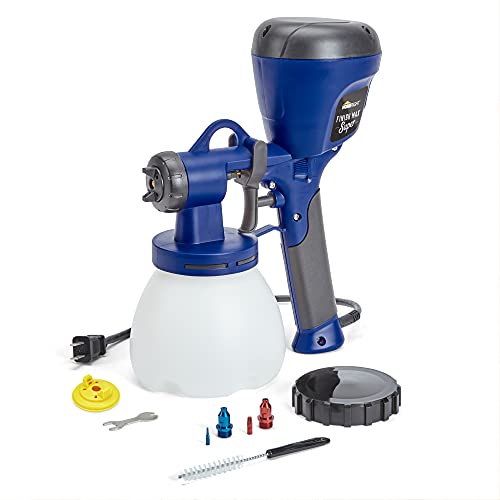
- ✓ Easy to control spray pattern
- ✓ Powerful and versatile
- ✓ Lightweight and comfortable
- ✕ Slightly noisy
- ✕ Requires thorough cleaning
| Power | 450 watts |
| Spray Tips | 3 brass tips (4.0mm red, 2.0mm green, 1.5mm blue) |
| Adjustable Settings | Air cap for horizontal, vertical, and round spray patterns; material flow control knob |
| Material Compatibility | Latex paint, chalk paint, milk paint, enamels, primers, clear sealer, polyurethane, stain, varnish |
| Suitable Projects | Fences, decks, furniture, cabinets, dressers |
| Maximum Material Output | Variable, depending on adjustments |
Trying to get a smooth, even coat of primer on my kitchen cabinets has always been a hassle. Brushing and rolling tend to leave streaks or uneven patches, especially in those tight corners.
When I grabbed the HomeRight Super Finish Max HVLP sprayer, I was curious if it could actually make this tedious job easier.
The first thing I noticed was how lightweight and comfortable it felt in my hand. The adjustable settings instantly caught my attention—being able to switch between horizontal, vertical, and round spray patterns made it easy to target every nook and cranny.
I started with the 4.0mm tip for primer, and the spray was smooth, with hardly any drips or splatters.
Power-wise, the 450 watts really deliver. I didn’t have to go back over areas, and the coverage was fast and even.
The material flow control knob is a game-changer—whether I wanted a light mist or a thicker coat, I could dial it in effortlessly. The brass spray tips feel sturdy and perform better than plastic tips I’ve used before.
Cleanup was simple, thanks to how easily the tips and parts disassembled.
Overall, it turned my cabinet project into a breeze. No more streaks, no more uneven patches.
Plus, I could switch between different paints and stains without issues. It’s a versatile tool that feels built for serious DIYers but easy enough for quick touch-ups.
If you’re tired of inconsistent results with brushes or rollers, this sprayer is a solid upgrade.
What Should You Consider When Choosing a Latex Primer for Kitchen Cabinets?
When choosing the best latex primer for kitchen cabinets, consider the following factors:
- Adhesion: A good primer should have strong adhesion properties to ensure that it bonds well with the cabinet surface. This is especially important for kitchen cabinets that may be exposed to moisture, grease, and other contaminants, which can hinder paint adhesion if not properly primed.
- Stain Blocking: The ability to block stains is crucial when priming kitchen cabinets, as they can be susceptible to various stains from food and cooking. A primer with stain-blocking capabilities will help prevent any discoloration from bleeding through the topcoat, ensuring a clean and even finish.
- Drying Time: The drying time of the primer is an important consideration for efficiency during the painting process. Quick-drying primers allow for faster recoating and completion of the project, minimizing the time your kitchen is out of service.
- Ease of Application: Look for a primer that is easy to apply, whether by brush, roller, or spray. A user-friendly product can make the process smoother, especially for DIYers, by reducing the likelihood of drips or brush marks.
- Low VOCs: Choosing a primer with low volatile organic compounds (VOCs) is beneficial for indoor air quality, especially in a kitchen environment where ventilation may be limited. Low-VOC primers are less harmful to health and contribute to a more pleasant working atmosphere.
- Finish Compatibility: Ensure that the primer you choose is compatible with the type of paint you plan to use for the cabinets. Some primers work better with specific finishes, such as satin or semi-gloss, and this compatibility can enhance the durability and appearance of the final coat.
- Brand Reputation: Consider products from reputable brands known for quality and performance in the paint and primer industry. Reading reviews and recommendations can help you identify reliable options that have worked well for other users.
How Do Key Ingredients Impact Adhesion and Performance?
- Binders: Binders are crucial as they form a film when the primer dries, ensuring strong adhesion to the surface. A quality latex primer will use a blend of acrylic and vinyl binders to provide flexibility and durability, making it suitable for the dynamic environment of a kitchen.
- Fillers: Fillers help to create a smooth surface by filling in imperfections on the cabinet surface. A good latex primer will contain fine fillers that not only enhance the finish but also improve the primer’s adhesion by providing a better surface for topcoats.
- Solvents: Water is the primary solvent in latex primers, but additives may also be included to enhance drying time and flow. The right solvent balance ensures that the primer can be easily applied while maintaining adequate adhesion and performance once it dries.
- Additives: Various additives are included to improve specific properties like mildew resistance, stain blocking, and drying time. These additives enhance the primer’s ability to withstand the humid conditions of a kitchen, ensuring long-lasting performance.
- Pigments: Pigments not only provide color but also affect the opacity and hiding power of the primer. A high-quality latex primer will have pigments that offer excellent coverage, reducing the need for multiple coats and ensuring that the underlying surface is effectively sealed.
Is Mold and Mildew Resistance Critical for Kitchen Primers?
Mold and mildew resistance is essential for kitchen primers due to the high humidity and moisture levels often present in kitchen environments.
- Moisture Resistance: Kitchen areas are prone to moisture from cooking, cleaning, and humidity, which can lead to mold and mildew growth. Primers that offer moisture resistance help to create a barrier that prevents these fungi from establishing, thereby maintaining the integrity of the paint and the surface beneath.
- Durability: The best latex primers for kitchen cabinets need to withstand frequent cleaning and scrubbing. Mold and mildew resistant primers typically have enhanced durability, ensuring that the finish remains intact even under regular maintenance, which is particularly important in kitchen settings where spills and stains are common.
- Health and Safety: Mold and mildew can pose health risks, especially for those with allergies or respiratory issues. Using a primer that resists these fungi helps to create a healthier living environment by minimizing the risk of mold-related health problems, making it a critical factor for kitchen cabinetry.
- Long-Term Aesthetics: Over time, mold and mildew can cause discoloration and damage to surfaces. A resistant primer not only protects the cabinets but also preserves their appearance, ensuring that they look good for years to come without the need for frequent repainting or repairs.
- Ease of Application: Many mold and mildew resistant primers are designed to be easy to apply, providing a smooth base for the topcoat. This ease of use can be particularly beneficial for DIY projects, allowing homeowners to achieve professional results without extensive experience.
What Are the Advantages of Using Latex Primer on Kitchen Cabinets?
The advantages of using latex primer on kitchen cabinets include improved adhesion, enhanced finish quality, and environmental benefits.
- Improved Adhesion: Latex primer provides a strong bonding surface for paint, ensuring that the topcoat adheres well and lasts longer. This is particularly important for kitchen cabinets, which are subject to heat, moisture, and frequent use.
- Enhanced Finish Quality: Using a latex primer helps to create a smooth and uniform base for the paint, minimizing imperfections and allowing for a professional-looking finish. It also helps to hide the underlying wood grain and any previous colors, leading to a more vibrant final appearance.
- Quick Drying Time: Latex primers typically dry faster than oil-based primers, allowing for quicker project completion. This feature is beneficial in kitchen renovations where time is often of the essence, enabling multiple coats to be applied in a single day.
- Low VOC Levels: Many latex primers are formulated with low volatile organic compounds (VOCs), making them safer for indoor use by reducing harmful emissions. This is especially significant in kitchens where air quality is essential for health and comfort.
- Easy Cleanup: Latex primers can be easily cleaned up with soap and water, making the application process less cumbersome. This convenience is a considerable advantage for DIY enthusiasts who may not want to deal with harsh solvents required for oil-based products.
- Flexibility and Durability: Latex primers remain flexible after drying, which helps to resist cracking and peeling over time. This flexibility is crucial in kitchens where temperature fluctuations can affect the condition of cabinets.
How Does a Latex Primer Affect the Overall Paint Finish?
- Adhesion: A good latex primer enhances the adhesion of the topcoat, ensuring that the paint sticks properly to the surface. This is crucial for kitchen cabinets, which often endure moisture and heat, as it prevents peeling and chipping over time.
- Surface Sealing: Latex primers seal porous surfaces, creating a smooth and even base for the topcoat. This sealing effect minimizes the absorption of paint, leading to a more uniform finish that enhances the final appearance of the cabinets.
- Stain Blocking: Many latex primers contain stain-blocking properties that prevent discoloration from knots, tannins, or previous paint layers. By using a primer with these properties, you can ensure that your final paint color remains true and vibrant without being tainted by underlying stains.
- Color Fidelity: Priming can improve color fidelity by providing a neutral base that prevents the original color of the cabinet from altering the hue of the topcoat. This is especially important when transitioning to lighter or more vibrant colors, ensuring the final finish reflects the intended shade accurately.
- Drying Time: Latex primers generally have a quicker drying time compared to oil-based primers, allowing for faster project completion. This is beneficial for kitchen cabinets where multiple coats may be needed, speeding up the overall painting process.
- Durability: Using a high-quality latex primer increases the durability of the paint finish. It can withstand the rigors of a kitchen environment, including humidity and occasional scrubbing, which helps maintain the cabinets’ appearance over time.
Why Is Low VOC Important for Kitchen Health and Safety?
According to the Environmental Protection Agency (EPA), VOCs can have short- and long-term health effects, including headaches, dizziness, and respiratory issues. The EPA highlights that indoor air can be up to five times more polluted than outdoor air, largely due to emissions from household products such as paints, primers, and cleaning agents that contain VOCs.
The underlying mechanism involves the release of VOCs into the air when products are applied or disturbed. In a kitchen, where heat and humidity are common, these compounds can evaporate more quickly, leading to higher concentrations in the air. Over time, frequent exposure to high levels of VOCs can lead to chronic health problems, particularly for sensitive populations like children and the elderly. Using low VOC products, such as the best latex primer for kitchen cabinets, minimizes these risks by ensuring that fewer harmful chemicals are emitted during application and curing, thus protecting both the users and the environment.
Which Latex Primers Are Highly Rated for Kitchen Cabinets?
The best latex primers for kitchen cabinets are essential for ensuring a smooth, durable finish that adheres well to the surface, providing a foundation for your topcoat.
- Zinsser B-I-N Shellac-Based Primer: This primer is highly regarded for its excellent adhesion properties and stain-blocking capabilities.
- KILZ Premium High-Hide Stain Blocking Interior/Exterior Latex Primer: Known for its ability to cover stains and provide a smooth surface, this primer is versatile and user-friendly.
- <strongBenjamin Moore Fresh Start Primer: This product is celebrated for its quick-drying formula and excellent sealing abilities, making it a great choice for kitchen cabinets.
- <strongRust-Oleum Zinsser 1-2-3 Primer: This water-based primer is favored for its ease of application and effective blocking of tough stains, making it ideal for kitchen refurbishments.
- <strongBehr Premium Plus Primer: With its exceptional coverage and mildew resistance, this primer is a reliable option for kitchen environments.
Zinsser B-I-N Shellac-Based Primer: This primer is known for its outstanding adhesion to difficult surfaces and its ability to block stains effectively, including water and smoke damage. Its shellac base allows it to dry quickly, making it suitable for projects requiring fast turnaround times.
KILZ Premium High-Hide Stain Blocking Interior/Exterior Latex Primer: This primer offers excellent hiding and stain-blocking capabilities, making it perfect for kitchen cabinets that may have grease or other stains. It provides a smooth finish and can be used on various surfaces, ensuring versatility in application.
Benjamin Moore Fresh Start Primer: This primer is known for its superior sealing properties and quick drying time, allowing for multiple coats to be applied in a single day. Its formulation helps prevent tannin bleed and enhances the durability of the topcoat, making it ideal for high-traffic areas like kitchens.
Rust-Oleum Zinsser 1-2-3 Primer: This water-based primer is particularly user-friendly, offering excellent adhesion and stain-blocking capabilities. It is suitable for both interior and exterior use, providing flexibility for various kitchen cabinet projects.
Behr Premium Plus Primer: This primer features exceptional coverage and mildew resistance, which is important in a kitchen environment where moisture can be a concern. Its smooth application and quick-drying properties make it a practical choice for homeowners looking to refresh their cabinets.
What Brands Provide Exceptional Coverage and Longevity?
Several brands are known for providing exceptional coverage and longevity in latex primers suitable for kitchen cabinets:
- Zinsser BIN: This primer is known for its superior stain-blocking capabilities and adheres well to various surfaces, making it an excellent choice for kitchen cabinets. Its shellac-based formula dries quickly and provides a strong bond, ensuring that the topcoat adheres properly and lasts long.
- Benjamin Moore Fresh Start: A high-quality latex primer, Fresh Start is formulated specifically for hard-to-coat surfaces like cabinets. It offers excellent coverage, hides imperfections well, and promotes a smooth finish, which is essential for achieving a professional look in the kitchen.
- Rust-Oleum Zinsser 123: This versatile water-based primer is designed for both interior and exterior use, providing great adhesion and stain-blocking properties. It dries quickly and can be top-coated with any latex or oil-based paint, making it a flexible choice for kitchen cabinet projects.
- Behr Premium Plus: This primer provides a great balance of coverage and durability, making it ideal for kitchen cabinets that need a robust base layer. Its low-odor, water-based formula dries quickly and allows for easy application while enhancing the overall finish of the topcoat.
- Sherwin-Williams ProBlock: Renowned for its mildew-resistant properties, ProBlock is perfect for kitchen environments that can be prone to moisture. Its high-hide formula ensures excellent coverage, while the bonding capabilities make it suitable for various surfaces, providing a long-lasting foundation for your cabinet paint.
Are Eco-Friendly Latex Primers Available on the Market?
Yes, there are several eco-friendly latex primers available on the market that are ideal for kitchen cabinets.
- Zinsser Bulls Eye 1-2-3 Eco Primer: This primer is a water-based formula that is low in volatile organic compounds (VOCs), making it a safer option for indoor use.
- Benjamin Moore Natura Primer: This is a zero-VOC, low-odor primer that provides excellent adhesion and ensures a smooth finish, perfect for kitchen cabinetry.
- Behr Premium Plus Interior Primer: This eco-friendly primer is known for its excellent coverage and durability, with a low VOC content that contributes to healthier indoor air quality.
- Rust-Oleum Zinsser Cover Stain: A water-based primer that is eco-friendly and offers great stain-blocking properties, making it suitable for kitchens prone to spills and stains.
- Sherwin-Williams Harmony Interior Primer: This primer not only has low VOCs but also features technology that helps reduce odors, making it ideal for kitchen environments.
Zinsser Bulls Eye 1-2-3 Eco Primer: This primer is formulated specifically to be environmentally friendly, using a water-based solution that minimizes harmful emissions. It adheres well to various surfaces, making it versatile for different cabinet materials, and dries quickly to allow for efficient project completion.
Benjamin Moore Natura Primer: Recognized for its exceptional performance, this primer is perfect for those concerned about indoor air quality, as it contains no VOCs. Its smooth finish and strong adhesion properties make it an excellent base for topcoats, ensuring that your painted cabinets look flawless.
Behr Premium Plus Interior Primer: This primer is highly regarded for its ability to cover previously painted surfaces while providing a solid base for new paint. Its low VOC formulation means that it is safer for home environments, especially kitchens where food preparation occurs.
Rust-Oleum Zinsser Cover Stain: Known for its stain-blocking abilities, this primer is a great choice for kitchen cabinets that may encounter grease and other stubborn stains. It dries quickly and can be easily cleaned up with soap and water, making it user-friendly for DIY projects.
Sherwin-Williams Harmony Interior Primer: This innovative primer not only minimizes VOC emissions but also actively reduces odors in the home, which is beneficial in smaller spaces like kitchens. Its excellent adhesion and stain-blocking capabilities ensure that your cabinets will look great while remaining eco-conscious.
How Can You Effectively Apply Latex Primer to Kitchen Cabinets?
To effectively apply latex primer to kitchen cabinets, follow these essential steps:
- Choose the Right Primer: Selecting the best latex primer for kitchen cabinets is crucial for adhesion and durability. Look for a high-quality, stain-blocking primer specifically designed for cabinetry to ensure a smooth finish and to prevent stains from bleeding through.
- Prepare the Surface: Properly preparing the cabinet surfaces is vital for optimal primer application. Clean the cabinets thoroughly to remove grease and dirt, and lightly sand the surfaces to promote better adhesion of the primer.
- Use the Right Tools: The tools you use can significantly impact the final outcome. A high-density foam roller or a synthetic brush is recommended for applying latex primer, as they provide a smooth finish without leaving brush strokes.
- Apply Even Coats: When applying the primer, it’s important to use even strokes to avoid drips and uneven coverage. Start with a thin layer, allowing it to dry completely before applying a second coat if necessary for complete coverage.
- Allow Proper Drying Time: Drying time varies depending on the product, but it’s essential to allow the primer to cure fully before proceeding to paint. Refer to the manufacturer’s instructions for specific drying times, typically anywhere from one to four hours.
- Sand Between Coats: For a professional finish, lightly sand between primer and paint coats. This step helps to create a better bond and removes any imperfections that may have occurred during the application process.
What Preparation Steps Should Be Taken Before Priming?
Before priming kitchen cabinets, several preparation steps are essential for achieving the best results with the best latex primer for kitchen cabinets.
- Cleaning the Surfaces: Thoroughly clean the cabinets to remove grease, dirt, and dust that can interfere with adhesion. A mixture of warm water and mild detergent is often effective, followed by rinsing and drying the surfaces completely.
- Sanding the Cabinets: Sanding the surfaces helps to create a rough texture that allows the primer to bond effectively. Use a fine-grit sandpaper and ensure to sand in the direction of the grain to avoid scratches and achieve a smooth finish.
- Repairing Damages: Inspect the cabinets for any dents, scratches, or other imperfections and fill them with wood filler or appropriate repairs. Once the repairs have dried, sand them smooth to ensure an even surface for priming.
- Removing Hardware: Take off all handles, knobs, and hinges from the cabinets to ensure that every surface is primed uniformly. This step also prevents the hardware from getting damaged or painted over during the priming process.
- Protecting Surrounding Areas: Use painter’s tape to cover edges and protect adjoining surfaces like walls and countertops from overspray or drips. Drop cloths or plastic sheeting should also be used to cover the floor and any furniture nearby.
- Choosing the Right Primer: Select a high-quality latex primer specifically designed for kitchen cabinets to ensure durability and adhesion. Look for primers that are stain-blocking and formulated to resist moisture, which is particularly important in kitchen environments.
What Application Techniques Help Achieve a Smooth Finish?
To achieve a smooth finish when painting kitchen cabinets with latex primer, several application techniques can be employed:
- Proper Surface Preparation: Thoroughly clean and sand the surfaces to remove any grease, dirt, or previous finishes. This step is crucial as it helps the primer adhere better and reduces the risk of imperfections in the final finish.
- Use of a High-Quality Brush or Roller: Selecting the right tools is essential; a high-density foam roller or a synthetic bristle brush can provide an even application. These tools minimize brush marks and help ensure a smooth, consistent layer of primer on the cabinet surfaces.
- Thin Coats Application: Applying multiple thin coats of primer rather than one thick coat helps in achieving a flawless finish. Thin layers dry faster and allow for better leveling, reducing the likelihood of drips and uneven areas.
- Sand Between Coats: Lightly sanding the primer between coats with fine-grit sandpaper can help smooth out any imperfections. This technique also promotes better adhesion for subsequent layers, resulting in a more durable and smooth finish.
- Using a Paint Sprayer: For an ultra-smooth finish, consider using a paint sprayer, which can provide an even coat without brush strokes. This method is particularly effective for larger surfaces and can save time while delivering a professional look.
- Temperature and Humidity Control: Maintaining an optimal temperature and humidity level during application can significantly affect the drying process. Ideal conditions help the primer cure properly, reducing issues like bubbling or uneven surfaces.
What Common Mistakes Should Be Avoided When Using Latex Primer?
When using latex primer for kitchen cabinets, it’s essential to avoid common mistakes to ensure a smooth and durable finish.
- Skipping Surface Preparation: Failing to properly clean and sand the cabinet surfaces can lead to poor adhesion of the primer. Any grease, dirt, or old paint residue can prevent the primer from bonding effectively, resulting in peeling or chipping later on.
- Using the Wrong Primer: Not all latex primers are suitable for kitchen cabinets, especially those exposed to moisture and heat. Choosing a high-quality primer specifically designed for cabinetry will enhance durability and provide a better foundation for the topcoat.
- Neglecting to Test the Primer: Applying the primer directly without testing it first on a small, inconspicuous area can lead to unexpected results. Testing allows you to see how the primer interacts with the existing finish and ensures that it provides the desired coverage and appearance.
- Applying Too Thick a Coat: Overloading the brush or roller can lead to drips and uneven texture. Instead, apply thin, even coats, allowing each layer to dry completely before adding another, which helps achieve a smoother finish.
- Ignoring Drying Times: Not allowing sufficient drying time between coats can compromise the effectiveness of the primer. Adhering to the manufacturer’s recommended drying times is crucial for achieving optimal adhesion and a flawless finish.
- Choosing the Wrong Tools: Using inappropriate brushes or rollers can affect the application quality. Selecting tools designed for latex paints and primers ensures better coverage and reduces the risk of brush marks or roller lint in the finish.
- Forgetting to Ventilate the Area: Poor ventilation can lead to prolonged drying times and an unpleasant working environment. Ensuring adequate airflow helps the primer cure properly and reduces the risk of inhaling fumes.
How Does Omitting Primer Impact the Final Look?
Omitting primer when painting kitchen cabinets can significantly affect the final look and durability of the finish.
- Adhesion Issues: Without primer, the paint may struggle to adhere properly to the cabinet surface, leading to peeling or chipping over time.
- Uneven Finish: Skipping primer can result in an uneven finish, as the paint may not cover the underlying surface uniformly, revealing imperfections or previous colors.
- Stain and Bleed-Through: Primer acts as a barrier to prevent stains from bleeding through the paint, which can be particularly problematic with wood cabinets that may have natural oils or tannins.
- Durability and Longevity: Primer enhances the durability of the paint, and without it, the finish may wear off more quickly, requiring more frequent repainting.
- Color Accuracy: Using a primer can help achieve true color representation, as it provides a consistent base that allows the topcoat to appear as intended.
Adhesion Issues arise because paint requires a suitable surface to bond effectively, and without primer, the paint may not adhere well to the material, resulting in a finish that deteriorates swiftly.
Uneven Finish occurs when the paint is applied directly onto a non-primed surface, leading to variations in color and texture, which can detract from the professional appearance of the cabinets.
Stain and Bleed-Through is a significant concern, especially for wood cabinets, as the natural oils and tannins can seep into the paint layer, creating unsightly discoloration that is often difficult to fix without stripping the paint.
Durability and Longevity are compromised when primer is omitted, as the lack of a protective layer can result in scratches, chips, and fading, making the cabinets look worn and unappealing much sooner than if a primer had been used.
Color Accuracy is affected as well; primer helps to neutralize the surface color and provides a uniform backdrop, ensuring that the topcoat achieves the desired hue without being altered by underlying colors.
What Is the Recommended Drying Time for Latex Primer?
One notable statistic is that using a primer can reduce the amount of topcoat needed by up to 30%, saving both time and materials. This is particularly relevant in kitchen cabinet refinishing, where achieving a hard-wearing, attractive finish is paramount. Best practices for applying latex primer include ensuring that the surface is clean and free of grease, using a high-quality brush or roller for application, and allowing sufficient drying time before applying the topcoat. It’s also advisable to lightly sand the surface between primer and paint applications to enhance adhesion.
In terms of solutions, selecting a high-quality latex primer specifically designed for kitchen cabinets can provide additional benefits such as improved stain-blocking and enhanced durability. Brands like Zinsser and Benjamin Moore offer primers formulated to withstand the rigors of kitchen environments, making them excellent choices for homeowners looking to achieve professional results. Following the manufacturer’s instructions regarding drying times and environmental conditions will maximize the effectiveness of the primer, ultimately leading to a successful painting project.
Related Post: